
TOPIC
04
Enhancing Digital Media and Information Literacy in Malaysia: A Framework and Roadmap for Klik Dengan Bijak Initiative
LEAD RESEARCHER
Assoc. Prof. Dr. Sabariah Mohamed Salleh
UNIVERSITI KEBANGSAAN MALAYSIA
TEAM MEMBERS
Dr. Hasrul Hashim
UNIVERSITI KEBANGSAAN MALAYSIA
Dr. Nurzihan Hassim
UNIVERSITI KEBANGSAAN MALAYSIA
Dr. Shamsiah Abd Kadir
UNIVERSITI KEBANGSAAN MALAYSIA
Dr. Nurul Akqmie Badrul Hisham
UNIVERSITI KEBANGSAAN MALAYSIA
Dr. Jeyasushma Veeriah
XIAMEN UNIVERSITY MALAYSIA
Abstract
This study focuses on addressing the escalating infodemic phenomenon alongside the COVID-19 pandemic, emphasising the critical need for robust media and digital literacy education in Malaysia. The proliferation of both true and false information in the wake of COVID-19 has created an information disorder, hindering the public's access to credible information. While Malaysia has made strides in promoting digital literacy through initiatives like Klik Dengan Bijak (KDB), there remains a lack of emphasis on cultivating critical thinking skills to discern credible information. This research will employ a comprehensive approach to assess Malaysia's media and digital literacy landscape. Through tools like SWOT analysis, we identified eight important domains pivotal for Malaysia's digital and media literacy framework: digital skills and competencies, digital citizenship and ethics, content creation and sharing, collaboration and engagement, awareness and outreach, regulation and governance, research and evidence-based policymaking, and digital accessibility and infrastructure. A strategic roadmap for a five-year implementation plan, complete with stakeholder engagement strategies, is proposed to fortify the initiative's impact. The research highlights the shift needed in Malaysia's approach, from reactive content-based strategies to proactive skill-based strategies. By analysing existing frameworks and engaging stakeholders, this study seeks to equip individuals with the essential skills to critically assess, verify, and utilise information. This proactive information literacy approach is crucial in safeguarding individuals against online and offline risks and threats, empowering them to contribute positively to their communities.
Keywords: Content creation, digital citizenship, digital literacy, Klik Dengan Bijak, media literacy
Introduction
The world, according to the World Health Organization (WHO), has not only seen the spread of COVID-19 but is currently also facing the escalation of infodemic (WHO, 2020). Infodemic is a terminology used to describe the tsunami of information, true or false, that affects the public's pursuit of credible and verified information and access to it, especially pertaining to the spread of the disease (García-Saisó et al., 2021). The avalanche of information has been discussed by scholars including Wardle and Derakhshan (2017) who introduced the concept of 'information disorder'. Scholars asserted that the advancement and transformation of digital technology contributed to the avalanche of information globally (Kandel, 2020; Wardle & Derakhshan, 2018). This is partly due to the new strategies and techniques to disseminate information such as utilisation of bots (Himelein- Wachowiak et al., 2021), and establishment of new platforms (Waghre & Seth, 2020) that enable information to spread at a faster duration (Khan et al., 2021).
Recently, it was reported that 84 per cent of Malaysians receive unverified information or fake news via WhatsApp. A staggering amount, the trend is indeed worrying. People easily panic and more often than not, make misguided decisions based on what they assume as factual information. People also seek information on Social Networking Sites (SNS) (Aillerie & McNicol, 2018). Past research has demonstrated the significance of social and individual variables in understanding the subject of online information seeking. It was pointed out that family, friends, and the surrounding influences young people's tendency to seek information. In addition, the ability to evaluate information, expertise in using the social media platform, socio-economic status, and one's level of intention has also been highlighted by scholars as important elements in influencing information seeking.
In Malaysia, media and information literacy is still quite a technical concept. While the definition of Media and Information Literacy (MIL) according to UNESCO, includes the ability to be critical in evaluating, using and contributing information and media content wisely, and knowing one's rights and the etiquette (Wilson et al., 2011), it is often linked to providing access and the concern of bridging the digital divide in Malaysia. For instance, to enhance the digital economy, Malaysia recognises the necessity for a universal digital infrastructure to encourage greater digital adoption. The Malaysian Communication and Multimedia Commission (MCMC) is also actively working to promote smart internet usage, notably through the Klik Dengan Bijak programme, although its availability is limited to user requests. Additionally, programs like Malaysia ICT Volunteer are training citizens in valuable skills like communication, online marketing to empower them, and support small businesses. While MCMC's initiatives promote digital safety and upskilling for the purpose of the digital economy, there's a lack of emphasis on cultivating critical thinking skills for discerning credible information. This necessitates the development of a comprehensive framework focusing on digital and information literacy education, which will help combat the spread of disinformation, misinformation and mal-information on social media.
This project aims to analyse Malaysia's media and digital media literacy landscape through tools like SWOT analysis, suggest a framework for a national digital media and information literacy initiative, compare international and local frameworks, and finally propose a five-year strategic roadmap for implementation, including stakeholder engagement and collaborations.
General Objective
To propose a five-year national initiative strategic implementation roadmap including recommendations on relevant stakeholders and strategic collaborations.
Specific Research Objectives (RO)
RO1: To provide the current overview of Malaysia's media/digital media and information literacy landscape, and analysis using appropriate tools, including the SWOT analysis;
RO2: To propose a framework for Malaysia's digital media and information literacy national initiative; and
RO3: To conduct a comparative study of at least three (3) frameworks and roadmaps of digital media and information.
Literature Review
The Malaysian Media Landscape
The Malaysian media landscape features a diverse array of media outlets, encompassing newspapers, television channels, radio stations, and digital platforms. The country has a mix of state-owned and private media organisations. Historically, media ownership has been concentrated within a few major conglomerates, raising concerns about limited media plurality and potential biases. These conglomerates often have interests beyond media, which can influence the content produced and the perspectives represented in the media (Jin et al., 2020).
Media in Malaysia operates under a regulatory framework that includes laws (Adnan, 1986), such as the Communications and Multimedia Act 1998. While this framework is intended to govern media conduct and protect certain values, it has been criticised for potentially infringing on media freedom. Journalists and media organisations have encountered challenges related to press freedom, including censorship and legal action (Tapsel, 2013). This has sparked concerns about self-censorship and the media's ability to provide independent and critical reporting on political and social issues.
The rise of digital technologies has significantly impacted the Malaysian media landscape. Social media platforms have provided an alternative space for individuals to access and share information, enabling more diverse voices to be heard (Abdullah et al., 2021). However, this shift has also raised concerns about the spread of misinformation and the potential for online hate speech. The Malaysian government has taken measures to regulate online content, prompting discussions about balancing responsible online behaviour with preserving freedom of expression.
The Malaysian media landscape is not immune to the global phenomenon of information disorder, which encompasses the spread of misinformation, disinformation, and mal-information. In recent years, the rapid growth of digital platforms and social media has amplified the dissemination of false or misleading information. This has resulted in challenges in verifying the accuracy of news stories, particularly when sensational or unverified information goes viral (Sabariah Mohamed Salleh, 2015). The prevalence of misinformation is often attributed to factors such as echo chambers, confirmation bias, and the ease of sharing content without thorough fact-checking. Consequently, the public's trust in traditional media outlets and the broader information ecosystem may be undermined.
Addressing the issue of information disorder in the Malaysian media landscape requires a multifaceted approach. Media literacy education plays a crucial role in equipping citizens with the skills to critically evaluate information sources and discern credible news from misinformation (Wardle & Derakhshan, 2017; Sabariah Mohamed Salleh, 2020). Initiatives to promote media literacy among both students and adults are vital for fostering a population that is more resilient to the influence of false information. Additionally, collaborations between media organisations, fact-checking platforms, and government bodies can contribute to verifying and correcting inaccurate information in a timely manner (Sabariah Mohamed Salleh, in press). Establishing partnerships between these stakeholders can enhance the dissemination of accurate news and counteract the negative impacts of information disorder.
In conclusion, the Malaysian media landscape faces challenges related to information disorder, fuelled by the proliferation of misinformation through digital platforms. Combating this issue requires efforts to strengthen media literacy education, encourage responsible information sharing, and promote collaboration between various stakeholders. As the media landscape continues to evolve, addressing information disorder becomes a crucial aspect of preserving the integrity of information and sustaining a healthy information ecosystem in Malaysia.
Media and Information Literacy Education Initiative in Malaysia
The Malaysian school curriculum incorporates computer literacy education at both primary and secondary levels. In primary schools, computer skills are introduced through subjects like Dunia Sains & Teknologi (The World of Science & Technology) and Teknologi Maklumat & Komunikasi (Information & Communication Technology). Similarly, secondary school students can opt for subjects like Introduction to Computer Science and Computer Science, which cover technical aspects like creating documents, making presentations, and basic coding. However, these subjects primarily focus on technical skills and lack discussions on privacy, cyberbullying, responsible online behaviour, and ethical considerations.
Media and Information Literacy (MIL) isn't a standalone subject in the curriculum, but some aspects of it are embedded in subjects like history. Students learn to obtain credible resources, practise proper citation and referencing, albeit in limited contexts. Research by Yu et al (2017) indicates that students often rely solely on internet resources that directly answer their project questions, failing to evaluate or filter information as suggested by Information Literacy models. This gap is attributed to inadequate delivery and integration of IL concepts by teachers, leading to students lacking critical thinking skills, which remain crucial in the Malaysian educational context.
Efforts to encourage critical thinking can be observed through the introduction of Higher Order Thinking Skills (HOTS) questions in exams and exercises. However, their usage in exams may inadvertently discourage independent and critical thinking, as students tend to conform to answer schemes rather than genuinely analyse, synthesise, and evaluate content. Universities also provide basic computer literacy to non-technical majors, covering presentations and simple coding. However, these programs rarely touch on ethics or MIL concepts (Sabariah Mohamed Salleh, 2020).
To address digital citizenship and online safety, Malaysia introduced the "Klik Dengan Bijak" (KDB) program in 2011. Aligned with the national philosophy, the program focuses on safety, security, and responsibility in internet usage. It addresses concerns about trust, personal information, risks, and safety online. The program employs various approaches, including school talks, games, exhibitions, and leveraging internet centres around the country. Klik Dengan Bijak consists of eight modules, covering topics like cyberbullying, hacking, online grooming, online fraud, phishing, and more. The program utilises multimedia resources, including YouTube videos, lectures, and reading materials, with the aim of keeping the content up-to-date and relevant (Waheed, 2018).
In summary, computer literacy is integrated into the Malaysian school curriculum, starting from primary schools and continuing into secondary schools and universities. However, the curriculum tends to prioritise technical skills over media and information literacy concepts. Initiatives like the Klik Dengan Bijak programme address online safety and digital citizenship, but there remains a need to foster critical thinking skills and a deeper understanding of responsible online behaviour within the educational framework.
Media and Information Literacy Frameworks
There are numerous media, digital and information literacy developed around the world. This includes the National Educational Technology Standards (NETS), ACRL Framework for Information Literacy for Higher Education, 21st Century Information Fluency. Frameworks that have guided important roadmaps on media and information literacy are the International Society for Technology in Education (ISTE), Global Framework of Reference on Digital Literacy Skills for Indicator 4.4.2 and DigComp 2.2: The Digital Competence Framework for Citizens.
The International Society for Technology in Education (ISTE) has created a set of standards for students, teachers, and administrators. The ISTE Standards for Students outline essential digital skills and behaviours for learners in areas such as creativity, communication, critical thinking, and digital citizenship.
The ISTE is referenced by Malaysia's Education Ministry in designing the Malaysia Education Blueprint (2013 to 2025): Pre-School to Post Secondary Education particularly on ICT competencies. However, it should be noted that the Blueprint was published in 2013 and significant changes and advancement in technologies warrants it to be updated, especially in time for 2025.
Motivated by the goal of fostering a digitally skilled generation that can compete, the Ministry of Education Malaysia (KPM) established the Digital Education Policy (Dasar Pendidikan Digital Malaysia). The Digital Education Policy outlines the four digital education objectives that are supported by six thrusts, 18 strategies and 41 initiatives in great detail. The Ministry of Education envisions the policy which can be optimally utilised to bridge the digital divide and enable successful implementation of digital education. This policy is aligned to various national agendas including Building a MADANI Nation, the Blueprint for Digital Economy Malaysia (MyDIGITAL), the Fourth Industrial Revolution (4IR), the National Digital Network (JENDELA), the Malaysia Education Blueprint (MEB) 2013 to 2025 and the National Science, Technology, and Innovation Policy 2021 to 2030 (NSTIP), to ensure a structured and well-designed effort to address the challenges of the 5IR. This effort stands as a clear declaration of the Ministry's dedication to advancing the local digital education environment.
UNESCO, meanwhile, conducted a comprehensive study of all these frameworks and produced the Global Framework of Reference on Digital Literacy Skills for Indicator 4.4.2 (Law, Woo & Wong, 2018). The framework's primary goal is to provide a standardised methodology for measuring digital literacy skills globally. It outlines four key components that contribute to an individual's digital literacy skills assessment. These components are: "Access and Use," which evaluates individuals' ability to access and navigate digital devices and platforms; "Digital Communication," which measures skills in effective online communication and collaboration; "Digital Problem-Solving," which assesses critical thinking and troubleshooting skills in digital contexts; and "Digital Security and Well-being," which evaluates awareness and practices related to online safety, privacy, and responsible digital behaviour.
The framework offers a robust structure for assessing and enhancing digital literacy skills. By providing a common language and standard for measurement, the framework contributes to the achievement of the Sustainable Development Goal (SDG) 4's objectives – ensure inclusive and equitable education and promote lifelong learning opportunities for all. As digital technologies continue to evolve, the framework's flexibility ensures its relevance over time. However, ongoing updates and refinement will be necessary to reflect changing digital landscapes and emerging skill demands. The report underscores the importance of continuous monitoring and adaptation to ensure that digital literacy assessments remain effective tools for fostering inclusive and sustainable digital societies.
Developed by the European Commission, DigComp 2.2: The Digital Competence Framework for Citizens (Vuorikari et al., 2022) is a well-known framework that defines a set of digital competences categorised into several areas including Information and Data Literacy, Communication and Collaboration, Digital Content Creation, Safety, and Problem-Solving. It's designed to guide the development of digital competence initiatives in various contexts. Published in 2022, an analysis of the framework has yet to be done by scholars.
Based on the collated frameworks, it is pivotal for a comparison of the frameworks of DigComp 2.2, Global Framework of Reference on Digital Literacy Skills for Indicator 4.4.2 be scrutinised in order for an updated framework which reflects the current digital competencies and technologies to be proposed.
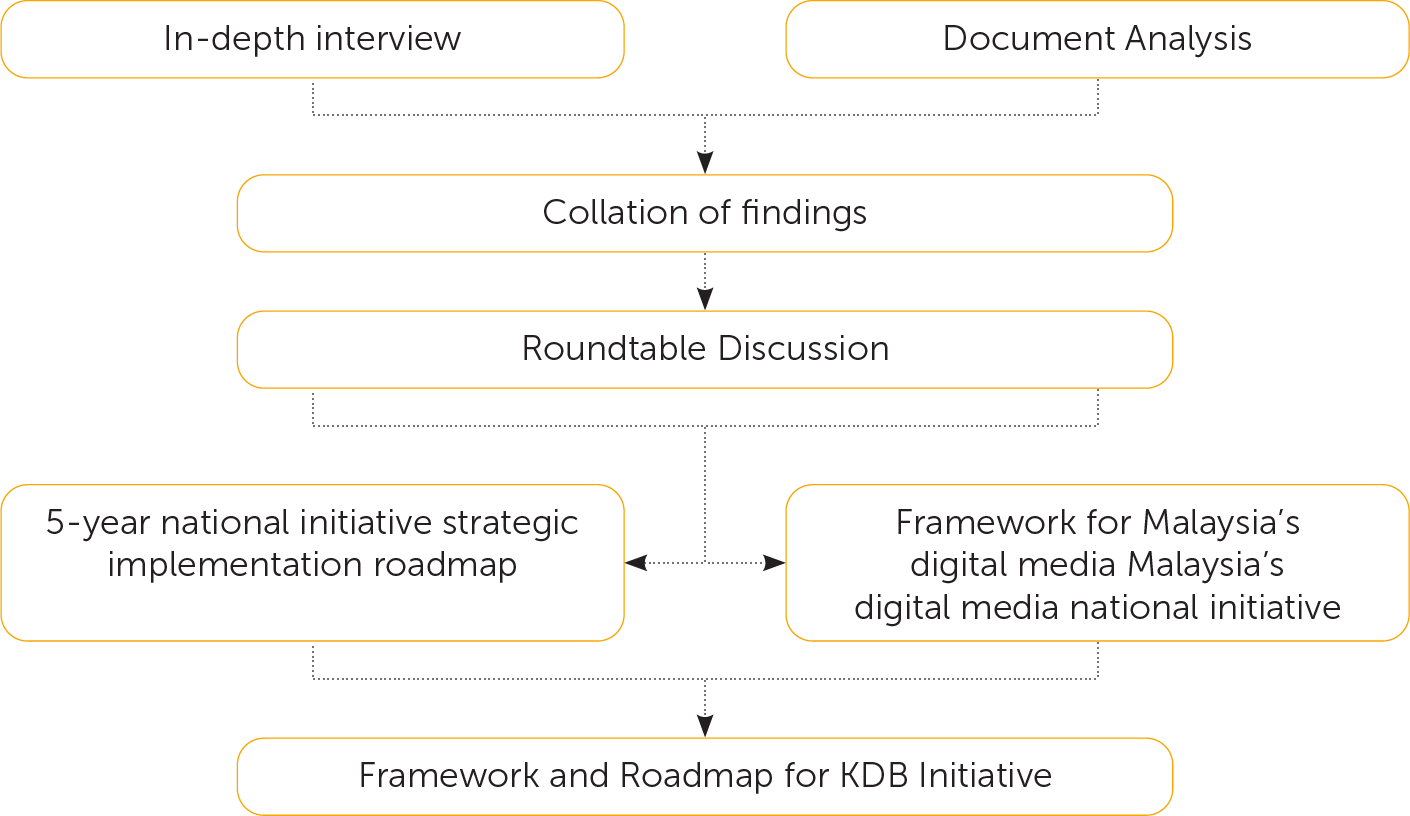
Figure 1: Research Framework.
In-depth Interviews
This method proves ideal when seeking an in-depth understanding and facilitating the researcher's ability to unearth valuable insights within the global social phenomenon under investigation (Doyle et al., 2020). It also provides a platform for informants to candidly express their opinions, address pertinent issues, and share their concerns concerning the subject matter. Moreover, it fosters a secure environment for informants to narrate their experiences with media literacy in Malaysia.
Sampling
The informants were selected via purposive sampling. Purposive sampling aims to pinpoint individuals who not only have the capability but also the willingness to contribute substantial, insight-rich information, as advocated by Campbell et al. (2020). In alignment with the viewpoints of Clark et al. (2021) and Gill (2020), participants were strategically chosen based on their potential to offer information that is directly relevant to the study. This selection process took into consideration their life experiences and expertise within the field under scrutiny.
To ensure a comprehensive perspective, it is crucial to meticulously select participants who meet specific criteria and possess the ability to provide an in-depth understanding of the subject matter. In this regard, the following categories were included:
Educators:
Those with extensive experience in the field, whose insights can shed light on the educational aspects of the topic.
News/Media Organisations:
Individuals associated with media outlets, who can provide insights into the media's role and perspectives related to the subject.
Government Agencies:
Representatives from relevant government agencies, whose knowledge can contribute to the understanding of the regulatory and policy dimensions.
Non-Governmental Organisations (NGOs):
Members of NGOs active in the area of interest, who can offer valuable insights based on their hands-on experiences.
Students:
As key stakeholders, students' perspectives and experiences will be considered to provide a well-rounded view of the topic.
This approach ensures that the research captures a diverse range of insights and expertise, creating a more holistic understanding of the subject matter.
Document Analyses
Three frameworks were chosen to be analysed for this research. The frameworks are:
Global Framework of Reference on Digital Literacy Skills for Indicator 4.4.2 (Law, Woo & Wong, 2018).
DigComp 2.2: The Digital Competence Framework for Citizens (Vuorikari, Kluzer & Punie, 2022).
Malaysia Digital Education Policy (Dasar Pendidikan Digital Malaysia)
The Global Framework was developed based on a comprehensive study of other media/ digital and information literacy frameworks worldwide. DigComp2.2, meanwhile, is an updated version of the European Union framework which was not included in the analysis conducted for Unesco's Global Framework published in 2018.
The analysis will look at similarities, differences, challenges and best practices which can be included and adapted for KDB.
Roundtable Discussion
A roundtable discussion was held with stakeholders to validate the findings collated from in-depth interview and documents analysis to create:
A new and comprehensive framework suitable for Malaysia's digital media and information literacy national initiative.
A five-year national strategic roadmap on digital media and information literacy.
In the roundtable discussion, this study validated the findings by adapting Lokman's Emotion Importance Quadrant (LEIQTM) model, which can be used as an instrument to assess emotion in diverse domains. The LEIQTM is built based on axes of emotion vs. importance, to indicate the factors that contribute to people's emotional responses and how much it is important to them in their daily lives (Lokman et al. 2019). In this study, the positive emotions are replaced with strength and opportunities while the negative is replaced with weakness and threat.
Strength/ Opportunities and Important Quadrant
Strength/ Opportunities and Not Important Quadrant
Weakness/ Threat and Important Quadrant
Weakness/ Threat and Not Important Quadrant
Findings and Analysis
Research Question 1:
To conduct a comparative study of at least two (2) frameworks and roadmaps of digital media and information.
The items that are similar across the three frameworks are shown in Table 1 below. The four areas' similarities highlight a common understanding of core digital literacy competencies, facilitating international and national standardisation. This can help streamline educational efforts and ensure a foundational level of digital literacy across different contexts. In other words, these frameworks collectively support a holistic approach to digital literacy. Additionally, the similarities allow for easier comparison and benchmarking of digital literacy programs across different countries and regions. This can help policymakers and educators identify best practices and areas for improvement.
Nevertheless, other domains should not be completely ignored. The variations in the number of items and the specific themes covered suggest potential gaps and inconsistencies. This discrepancy could lead to uneven coverage of essential skills and competencies, necessitating a thorough analysis of the non-overlapping domains. Such an analysis would ensure a comprehensive and well-rounded approach to digital literacy education, addressing any overlooked areas and adapting the frameworks to meet local and global needs effectively.
These findings were compared with the results from the interviews, leading to the establishment of six themes, which were further discussed in the round table discussions with stakeholders.
| Domain | Items |
|---|---|
| 1.0 Information and Data Literacy | 1.1 Browsing, searching, filtering data, information & digital content |
| 1.2 Evaluating data, information and digital content | |
| 1.3 Managing data, information & digital content | |
| 2.0 Communication and Collaboration | 2.1 Interacting through digital technologies |
| 2.2 Sharing Information and content through digital technologies | |
| 2.4 Collaborating through digital technologies | |
| 3.0 Digital Content Creation | 3.4 Programming |
| 5.0 Problem Solving | 5.1 Solving technical problems |
| 5.2 Identifying needs and technological responses | |
| 5.3 Creatively using digital technologies | |
| 5.4 Identifying digital competence gaps |
Table 1: Similarities of Frameworks.
Research Question 2:
To provide the current overview of Malaysia's media/digital media and information literacy landscape.
In-depth interviews were conducted to gather a diverse range of insights to create a holistic understanding of Malaysia's media/ digital media and information literacy landscape. The current overview which accounts for a significant portion of the total frequencies in quotations are CAC2 - Sharing Information and Content leading at 12.9 per cent, followed by CAC4 - Collaborating at 10.4 per cent. The remaining top items cover various aspects of digital literacy, such as operating digital technology, online etiquette, identifying competency gaps, digital interaction, media, and information literacy education, software operations, managing digital identity, developing content, identifying needs, and creative use of technology. However, for the purpose of this study, only six (6) items that exceeded 20 quotations; or more than 5 per cent out of the entire population of quotations gathered, were given focus, as for the remaining ones had less significant responses from informants in regards to the topics discussed. This indicates that only six (6) items are deemed as pivotal in Malaysia's current media/ digital media and information literacy landscape.
UNESCO Digital Competency Framework
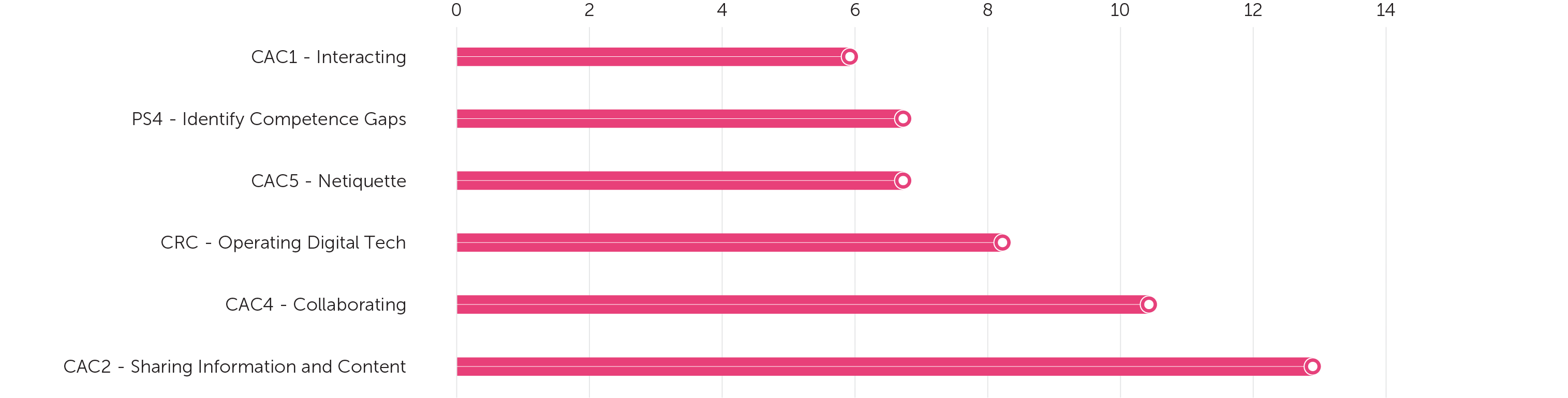
Figure 2: Items Considered Important in Malaysia's Digital Literacy Landscape.
Based on the interviews conducted, findings posited that it is important that the relevant agencies collaborate with each other to evaluate the current situation of misinformation, disinformation, and levels of media information literacy among discerning audiences, and produce impactful programmes to interact with the affected segments, particularly the youth and elderly.
Research Question 3:
To propose a framework for Malaysia's digital media and information literacy national initiative.
The SWOT analysis of the six (6) relevant themes deliberated during the Roundtable Discussion resulted in the formulation of eight (8) important domains which researchers would like to propose to be included in the digital and media literacy framework for Malaysia. These eight domains can be divided into implementation strategies as stated in Table 2:
| Domain | Elaboration | Implementation Strategies |
|---|---|---|
| Digital Skills and Competencies |
|
To be included in KDB. Based on the SWOT analysis, researchers would like to suggest for these topics to be included:
|
| Digital Citizenship and Ethics |
|
To be included in KDB. Based on the SWOT analysis, researchers would like to suggest for these topics to be included:
|
| Content Creation and Sharing |
|
To be included in KDB. Based on the SWOT analysis, researchers would like to suggest for these topics to be included:
|
| Collaboration and Engagement |
|
A multi stakeholder approach would highly benefit the implementation of KDB. For instance, MCMC can collaborate with JomCheck, Arus Academy, Society of Media and Information Literacy Educators (SMILE), the National Library and the Education Ministry in creating a comprehensive KDB module. Involvement of the various parties will ensure that all levels of societies are empowered with digital literacy skills. |
| Awareness and Outreach |
|
It is important for MCMC to identify the audience that will be trained with the KDB module and tailor the content to suit them. In Indonesia, the program Tular Nalar created modules with specific content tailored for its audience which consists of elderly, housewives and students. Therefore, for KDB, researchers suggest that these aspects to be taken into consideration when designing the KDB module:
|
| Regulation and Governance |
|
It is important for the community to understand and be aware of how regulations and policies are put in place in order to protect their rights and not to reprimand or control them. The way KDB frames the topic is pivotal to create trust towards the Government. |
| Research and Evidence-based Policymaking |
|
It is important the effectiveness of future KDB initiatives be measured and continuously assessed to ensure that it will benefit the community. |
| Digital Accessibility and Infrastructure |
|
Digital divide is an issue which has been closely scrutinised by the Government. When implementing the KDB initiative, it is important to identify digital accessibility and infrastructure provided for the community. This is to ensure that the content shared is relevant. |
Table 2: Digital and Media Literacy Framework for Malaysia.
By implementing this comprehensive framework, Malaysia can foster a digitally literate and responsible society, harness the benefits of digital technologies, and mitigate the associated risks and challenges. A multi-stakeholder approach, collaboration, and continuous improvement will be key to the success of this framework.
KDB 5 Years Roadmap
| 2024 > | 2025 > | 2026 > | 2027 > | 2028 > | OUTPUT | |
|---|---|---|---|---|---|---|

KDB Curriculum Development |
Form task force | Improve KDB based on first assessment |
|
|||
| Create KDB Module | Update Module | Update Module | Update Module | |||
| Create examples bank | Update examples bank | Update examples bank | Update examples bank | |||
Implementation |
Form task force |
|
||||
| Implementation of KDB | Implementation of KDB | Implementation of KDB | Implementation of KDB | |||
| Training of trainers | Training of trainers | Training of trainers | Training of trainers | Training of trainers | ||
| Campaign | Campaign | Campaign | Campaign | Campaign | ||
Assessment |
First assessment of KDB initiative • FGD or Interview |
Conduct assessment (survey) | Conduct assessment (survey) | Conduct assessment (survey) | KDB Effective Report |
Recommendations
KDB Module
-
•
Issues discussed must be relevant to the community (age, gender, socio-economic background). A good example that can be emulated is the Tular Nalar initiative (tularnalar.id) spearheaded by Mafindo (an Indonesian fact checking organisation), supported by its Ministry of Communications and Information. Tular Nalar created modules catered for elderly, young voters, and school children. There is also a general module which can be adapted for other categories. Another example is Squiz Kids' Newshounds, an integrated series of eight podcasts that is hosted by the award-winning Squiz Kids team and accompanied by videos, student workbooks, a comprehensive teacher manual, classroom posters, parent information packs, and more.
-
•
Create a bank of examples/sources that can be easily accessed and retrieved by trainers so that they can choose the best examples to be discussed with the specific audience. It is recommended that the module be delivered not merely through lectures. Activities should be included to retain participants' attention and interest.
-
•
Conduct training of trainers with key opinion leaders who can then impart this knowledge to others. Tular Nalar has conducted trainings with housewives and shopkeepers as they are seen to be influential in the society. In this sense, it is important for MCMC to identify who can be approached to ensure that the knowledge imparted can reach a wider range of audiences.
-
•
Create a site in which the module can be downloaded. Modules should consist of running order, cue cards for facilitators, and presentation deck.
-
•
Consider giving certificates to participants to acknowledge their new role as key opinion leaders.
-
•
Create an instrument which can measure the effectiveness of the initiative.
-
•
Maintain channels for ongoing feedback from stakeholders to continually improve the module.
-
•
Regularly evaluate the module's effectiveness and make necessary adjustments based on stakeholder input.
Stakeholders Engagement Strategies
-
•
Form partnerships with relevant stakeholders (Society of Media and Information Literacy Educators, institutions of higher learning, Bank Negara, National Library, Media Literacy Council, fact-checking organisations, Malaysian Media Council, etc), through the establishment of an advisory committee and involve them in the creation of KDB modules. For example, Tular Nalar collaborated with a lot of organisations in order for them to engage with various levels of societies.
-
•
The advisory committee will be able to provide latest examples of case studies which can be included in the information bank. In addition, they can bridge MCMC with relevant communities that can benefit greatly from the knowledge to be taught through the KDB module. For example, JomCheck created a network with local mosques, low-cost public housing communities, and medical professionals in their initiative to conduct Klinik Cerdik Fakta (KLICK). This has enabled them to reach a wider range of audiences.
-
•
Stakeholders can assist in organising campaigns to raise awareness about the importance of digital literacy and host training sessions.
Conclusion
In conclusion, the analysis on digital and media literacy in Malaysia has highlighted the critical need for a comprehensive and multi-faceted approach to address the challenges and opportunities presented by the rapidly evolving digital landscape. Researchers have identified key strengths, weaknesses, opportunities, and threats across various aspects of digital technology adoption, interaction, competence gaps, netiquette, information sharing, and collaboration.
The proposed digital and media literacy framework for Malaysia encompasses essential elements such as digital accessibility and infrastructure, digital skills and competencies, digital citizenship and ethics, content creation and sharing, collaboration and engagement, regulation and governance, research and evidence-based policymaking, and awareness and outreach. This framework serves as a foundation for developing a strategic roadmap to guide the implementation of digital and media literacy initiatives over a five-year period.
The suggested five-year roadmap outlines a phased approach, starting with foundation and planning in the first year, followed by education system integration, workforce development and community engagement, policy and regulatory frameworks, and finally, evaluation, improvement, and sustainability. Throughout the implementation process, continuous monitoring, multi-stakeholder collaboration, investment in research and innovation, and effective communication will be crucial to ensure the framework's success and relevance.
As the Malaysian media landscape grapples with challenges stemming from information disorder, driven by the spread of misinformation via digital platforms, the need to curtail this issue necessitates enhancing media literacy education, fostering responsible information sharing, and encouraging collaboration among various stakeholders. It is believed that the new proposed digital literacy framework will address this matter. In particular, researchers have extensively listed important topics which should be included in the future KDB initiatives to ensure all concerns listed by stakeholders during the interview and roundtable discussions are mitigated. The topics are:
Utilising online reference materials
Information reliability and credibility
Malware/ virus
Criminal activities/ cybercrimes/ scam/ phishing
Eco chambers
Netiquette
Social tension
Mental health
Censorship and state control
Data privacy
Misinformation/ disinformation/ malinformation
Cyberbullying
Plagiarism
Establishing boundaries
Hate Speech
AI generated content
Platform incentivising
Data privacy
Additionally, researchers also recommended strategies in which MCMC can create a comprehensive KDB module, engage with stakeholders, and ensure the effectiveness of KDB.
As Malaysia embarks on this transformative journey, it is essential to remain vigilant, agile, and responsive to the ever-changing digital landscape. The insights and recommendations generated from this roundtable discussion serve as a valuable starting point for shaping Malaysia's digital future. By prioritising digital and media literacy, Malaysia can unlock the full potential of its human capital, drive innovation and economic growth, and create a safer, more equitable, and empowering digital environment for all.
References
Abdullah, Nor Hafizah and Hassan, Isyaku and Fazil Ahmad, Muhamad and Hassan, Nor Azlili and Ismail, Mohd Mahadee, Social Media, Youths and Political Participation in Malaysia: A Review of Literature (March 29, 2021).
International Journal of Academic Research in Business and Social Sciences, Forthcoming, Available at SSRN: https://ssrn.com/abstract=3849948 or http://dx.doi.org/10.2139/ssrn.3849948.
Adnan, Mohd. H. (1986).
Media laws in Malaysia. In AMIC Seminar on Media Laws and Regulations in Asia: Singapore, Jan 7-8, 1986. Singapore: Asian Mass Communication Research & Information Centre.
Aillerie, Carine & McNicol, Sarah. (2016).
Are Social Networking Sites information sources? : Informational purposes of high-school students in using SNS. Journal of Librarianship and Information Science. 50. 1-12. 10.1177/0961000616631612.
Campbell, S., Greenwood, M., Prior, S., Shearer, T., Walkem, K., Young, S., & Walker, K. (2020).
Purposive sampling: complex or simple? Research case examples. Journal of Research in Nursing, 25(8), 652-661. https://doi.org/10.1177/1744987120927206.
Clark, T., Foster, L., Bryman, A., & Sloan, L. (2021).
Bryman's social research methods. Oxford University Press.
Gill, S. L. (2020).
Qualitative sampling methods. Journal of Human Lactation, 36(4). https://doi.org/10.1177/0890334420949218.
Himelein-Wachowiak M, Giorgi S, Devoto A, Rahman M, Ungar L, Schwartz HA, Epstein DH, Leggio L, Curtis B (2021).
Bots and Misinformation Spread on Social Media: Implications for COVID-19 J Med Internet Res 2021;23(5):e26933 doi: 10.2196/26933.
Jin, Tongyi & Abilgaziyeva, Altynay & Lam, Tsz. (2020).
Media Ownership and Bias: Evidence by the Washington Post's Reporting after Amazon's Acquisition in 2013. Modern Economics & Management Forum. 1. 10.32629/memf.v1i3.198.
Kandel N.
Information Disorder Syndrome and Its Management. JNMA J Nepal Med Assoc. 2020 Apr 30;58(224):280-285. doi: 10.31729/jnma.4968. PMID: 32417871; PMCID: PMC7580464.
Khan, T., Michalas, A., & Akhunzada, A. (2021).
Fake news outbreak 2021: Can we stop the viral spread? Journal of Network and Computer Applications, 190, 103112.
Law, N., Woo, D., & Wong, G. (2018).
A Global Framework of Reference on Digital Literacy Skills for Indicator 4.4.2 (Information Paper No. 51; p. 146). UNESCO. http://uis.unesco.org/sites/default/files/documents/ip51-global-framework-reference-digital-literacy-skills-2018-en.pdf.
Sabariah Mohamed Salleh (2015).
When Things Go Viral New Straits Times 28 July.
Sabariah Mohamed Salleh (2020).
Media and Information Literacy Education in Malaysia in Media and information literacy education in Asia, Bangkok: UNESCO.
Sabariah Mohamed Salleh & Hashim, H. (in press)
Literasi Media Pascapandemik. Bangi: Penerbit UKM
Tapsell, Ross. (2013).
The Media Freedom Movement in Malaysia and the Electoral Authoritarian Regime. Journal of Contemporary Asia. 43. 10.1080/00472336.2013.765138.
Vuorikari, R., Kluzer, S. and Punie, Y., (2022).
DigComp 2.2: The Digital Competence Framework for Citizens - With new examples of knowledge, skills and attitudes EUR 31006 EN, Publications Office of the European Union, Luxembourg, 2022, ISBN 978-92-76-48882-8, doi:10.2760/115376, JRC128415.
Waghre P, Seth R.
Analysing digital platforms' responses to COVID-19 information disorder. The Takshashila Institution. 2020. [2020-05-17].
Waheed, Moniza. (2018).
What's in the Content?: Examining texts of the Klik dengan Bijak (Click Wisely) Campaign Materials. 1. 122.
Wardle, C., & Derakhshan, H. (2017).
Information Disorder: Toward an Interdisciplinary Framework for Research and Policymaking. Council of Europe. https://rm.coe.int/information-disorder-report-november-2017/1680764666.
WHO (2020).
Managing the COVID-19 infodemic: Promoting healthy behaviours and mitigating the harm from misinformation and disinformation - Joint statement by WHO, UN, UNICEF, UNDP, UNESCO, UNAIDS, ITU, UN Global Pulse, and IFRC https://www.who.int/news/item/23-09-2020-managing-the-covid-19-infodemic-promoting-healthy-behaviours-and-mitigating-the-harm-from-misinformation-and-disinformation.
Yu, H., Ismail, S. A., Izhar, T. A. T., Hussin, N., & Amran, N. (2017).
Information Literacy Education (ILE) through School Project Work: Stories From Developing Country Teachers. Journal of Informatics and Mathematical Sciences, 9(4), 1029–1040. https://doi.org/10.26713/jims.v9i4.985.