
TOPIC
05
Investigating the Demand for Mobile Services in Sparsely Connected Remote Areas in Malaysia – The Challenges and Opportunities
LEAD RESEARCHER
Ts. Dr. Suthashini Subramaniam
UNIVERSITI TUNKU ABDUL RAHMAN
TEAM MEMBERS
Norazira Binti A Jalil
UNIVERSITI TUNKU ABDUL RAHMAN
Ts. Sun Teik Heng
UNIVERSITI TUNKU ABDUL RAHMAN
Dr. Hemaniswarri Dewi Dewadas
UNIVERSITI TUNKU ABDUL RAHMAN
Ts. Dr. Mohana Shanmugam
UNIVERSITI TENAGA NASIONAL
Ms. Nor Fatiha Binti Subri
UNIVERSITI TUNKU ABDUL RAHMAN
Ms. Ana Nabilah Binti Sa'uadi
UNIVERSITI TUNKU ABDUL RAHMAN
Abstract
This study investigates the critical role of mobile services and Internet connectivity in the socio-economic development of rural areas, highlighting the disparities between urban and rural access. The research aims to understand the demand for these services in rural communities, focusing on how connectivity influences their daily lives and socio-economic progress. It particularly examines the relationship between affordability and spending power, emphasising the financial constraints that lead rural households to prioritise necessities over technology adoption. Conducted within the Malaysian context, where 3 per cent of populated areas lack Internet coverage and mobile services, the study uses a quantitative approach through a questionnaire survey, collecting 380 responses from residents in remote areas of Sarawak and Perak. The findings reveal that most respondents rely on mobile services for daily use but find existing Internet connectivity (Wi-Fi) insufficient. They are unwilling to pay higher fees for better Internet services, highlighting the importance of affordability. The study identifies social communication, job and education opportunities, and improved communication infrastructure as the most crucial services needed by the community. The research has significant implications for policy formulation, industry engagement, and rural development initiatives. It supports the execution of Pelan Jalinan Digital Negara (JENDELA) Phase 2, aimed at fostering digital inclusion, nurturing economic growth, and improving the quality of life for rural communities in Malaysia. The study's outcomes align with the Twelfth Malaysia Plan and Sustainable Development Goals (SDG) 9, which focus on enhancing Internet connectivity for all.
Keywords: Mobile Services, Internet Connectivity, Rural Areas, Socio-Economic Development, Affordability
Introduction
In today's digital age, access to mobile services and the Internet has become an integral part of modern life, facilitating communication, information dissemination, education, and economic activities. However, despite the rapid advancement of technology and the widespread availability of connectivity services in urban areas, rural communities still face significant challenges in accessing reliable mobile and Internet services. This research aims to delve into the critical gap areas pertaining to the demand for mobile services and Internet connectivity in rural areas, focusing on the communities' spending power for such services.
Rural areas in Malaysia have historically been underserved when it comes to telecommunications infrastructure (Ayob et al., 2022). This lack of connectivity is often attributed to various factors, including geographical remoteness, rugged terrains, limited infrastructure development, and lower population density. Consequently, rural residents experience slower Internet speeds, dropped calls, and unreliable connections, hindering their ability to fully participate in the digital economy and access essential online services (Wahab et al., 2019).
Malaysia has initiated the Pelan Jalinan Digital Negara (JENDELA) programme under the Twelfth Malaysia Plan, 2021 – 2025 (MCMC, 2022a). The Government estimates the investment of JENDELA Phase 1 to be RM28 billion, of which 40 per cent comes from the Malaysian Communications & Multimedia Commission (MCMC) Universal Service Provision (USP) Fund, while the remaining 60 per cent is to be funded by industry players (MCMC, 2023a). This plan was formulated to provide wider coverage and a better quality of broadband experience for the people while preparing the country for 5G technology.
However, under Phase 1 of the JENDELA programme, 3 per cent of the population in sparsely connected remote areas across Malaysia still lacks telecommunications coverage. The research aims to determine whether the remaining 3 per cent of the population still needs mobile services or if Internet (Wi-Fi) connectivity is enough for their daily activities in remote areas. It will also study the challenges faced and focus on collaborative efforts between the government, private sectors, and the local community.
Problem Statement
Access to mobile services and the Internet has become a fundamental prerequisite for participating in the digital age, enabling communication, education, healthcare, and economic opportunities. While urban areas have benefited from robust connectivity, rural areas continue to experience significant gaps in accessing these essential services. A pressing challenge lies in understanding and addressing the dynamics between the demand for mobile services and Internet connectivity in rural areas and the communities' spending power for such services (Meikeng, 2020).
Despite the increasing recognition of the transformative potential of digital connectivity, rural communities remain underserved, particularly in areas with limited infrastructure development. The existing gap in connectivity represents a multifaceted challenge that intersects with the economic realities of these communities. Affordability, often constrained by lower household incomes, emerges as a key barrier preventing rural residents from accessing and utilising mobile and Internet services to their fullest potential.
Phase 1 (2020 to 2022) of the JENDELA programme targeted 96.9 per cent mobile 4G coverage in populated areas in Malaysia, 35 Mbps speed, with 7.5 million premises. The Malaysian Communications and Multimedia Commission (MCMC) is currently working towards meeting Phase 2 (2023 to 2025) targets, which involves addressing the remainder of the digital divide not covered under Phase 1 by utilising satellite connectivity and other fit-for-purpose technologies. As 100 per cent Internet coverage in populated areas is one of the targets for JENDELA Phase 2, MCMC aims to address the remaining 3 per cent (Bernama, 2023).
The interplay between connectivity demand, affordability, and spending power creates a complex landscape that requires thorough exploration. Rural areas, constituting 3 per cent of the populated regions, equivalent to almost 3,000 remote locations across Malaysia without Internet coverage, are emblematic of the broader global struggle to bridge the digital divide (Malay Mail, 2023). As technological advancements reshape the way societies interact and progress, the digital exclusion faced by rural areas further widens existing disparities, limiting educational opportunities, healthcare access, and economic growth.
Hence, there is a need to investigate the demand for mobile services and Internet connectivity in rural areas while accounting for the financial constraints imposed by communities' spending power (Farah Adilla, 2022). By addressing these challenges, we can develop a comprehensive understanding of the barriers obstructing the extension of connectivity services to rural regions. Moreover, this research seeks to identify the opportunities that exist that can bridge these gaps, enabling rural communities to reap the benefits of digital inclusion, fostering sustainable development, and creating a more equitable society.
Research Objectives
This research seeks to comprehensively analyse the dynamics of connectivity gaps in rural areas, with a specific focus on the interplay between demand for mobile services and Internet connectivity and the communities' spending power for such services. By understanding these gap areas, we aim to identify whether the remaining 3 per cent of the population still requires mobile service or if Internet (Wi-Fi) connectivity is sufficient for their day-to-day activities to enhance connectivity, foster digital inclusion, and drive sustainable development in rural areas.
This leads to the following set of Research Objectives (RO):
RO 1:
To validate the need for mobile service in the remaining 3 per cent of the populated areas.
RO 2:
To explore if Internet connectivity (Wi-Fi) is sufficient in the remaining 3 per cent of the populated areas.
RO 3:
To identify the maximum price the user is willing to pay for Internet (Wi-Fi) service.
RO 4:
To identify and recommend the most crucial service and application required by the communities in the remaining 3 per cent of the populated areas.
Literature Review
Access to mobile services and the Internet is a pivotal driver of economic growth, social development, and digital inclusion. While urban areas often benefit from robust connectivity, rural regions continue to experience significant disparities in accessing these services.
Numerous studies highlight the increasing demand for mobile services and Internet connectivity in rural areas worldwide. As technology advances and digital applications become more integral to daily life, rural residents seek to access online services for education, healthcare, communication, and economic opportunities. This is the same expectation by the people in Sarawak and Perak. Dhanarajan and Muhammad (2018) emphasised that digital connectivity in rural areas promotes social inclusion and enhances overall quality of life.
However, several factors contribute to the challenges in meeting the demand for connectivity in rural areas. Geographical remoteness, challenging terrain, and underdeveloped infrastructure are often cited as barriers to extending telecommunications networks (Walden et al., 2019). Additionally, the lack of digital literacy and awareness in rural communities can hinder the effective utilisation of connectivity services (Fernández-Ardèvol et al., 2017).
Affordability is a major concern that directly impacts rural communities' ability to access and utilise mobile and Internet services. Limited disposable income in these areas poses a significant challenge to adopting and sustaining connectivity services (Castells et al., 2020), as households tend to prioritise basic necessities, such as food and shelter, over investing in technology and communication devices. This issue is closely linked to the "digital divide", where disparities in spending power further exacerbate inequalities. Arora and Bansal (2020) emphasise that lower-income rural communities often struggle to allocate funds for technology purchases and ongoing subscription costs, limiting access to education, healthcare, and economic opportunities.
Therefore, governments and the private sector should be important entities in recognising the importance of bridging the gap in rural connectivity. Various countries have initiated programmes to promote infrastructure development and provide subsidies to reduce connectivity costs in underserved areas (Qiang et al., 2019). Mobile network operators and technology providers are also exploring innovative solutions, such as shared community networks and satellite-based Internet, to expand coverage and improve affordability.
In summary, as the world becomes increasingly interconnected, targeted policy interventions, collaborative efforts, and innovative approaches are essential to ensure equitable access to mobile services and Internet connectivity for all, regardless of their geographical location or economic status.
Methodology
The research design aims to achieve the predetermined goals by providing the appropriate validation approach throughout this research. Figure 1 illustrates the research design formulated for this study.
To achieve the research objectives, this study employs a quantitative method approach (Kumar, 2014). A set of self-developed questionnaire was distributed among the people in the identified rural areas in Sarawak and Perak, Malaysia, which falls under the category of 3 per cent.
The research instrument was developed for this study to collect relevant data to answer the research objectives and questions. The survey questionnaire consists of four sections: demographic information, user behaviour and preferences, affordability and accessibility, and connectivity infrastructure.
Of Malaysia's total population of 32.4 million, 3 per cent (972,000) live in areas without Internet connectivity. Based on this, a sample size of around 386 participants is recommended (Taasoobshirazi & Wang, 2016; Meikeng, 2020). Sarawak has the highest percentage (55 per cent) of locations without Internet connectivity, followed by Sabah, Kelantan, Pahang and Perak. However, due to budget constraints, only Sarawak and Perak were selected for data collection. The areas covered in Limbang, Sarawak, were Kampung (Kg) Engkasing, Kg Rantau Kiran, Kg Pulau Brunei, Kg Ensurai, and Kg Lubuk Tuan. Meanwhile, Kampung Orang Asli (KOA) Chang, KOA Gepai, and KOA Menderang were covered in Batang Padang, Perak.
Literature Review
Conceptual Framework Development
(Demand on Mobile Services in Remote Areas)
Research Instrument Development
(Structured Questionnaires)
Sample Size
(Target population: 386 Participants)
Data Collection
(Location: Limbang, Sarawak & Batang Padang, Perak)
Data Analysis
(Quantitative Method)
(Actual Respondents: 380 Participants; Sarawak (331), Perak (49))
Report Writing
(Discussion & Recommendation)
Figure 1: Research Design.
Initially, 386 participants were surveyed. However, six (6) responses were excluded due to incomplete data during the filtering process. Therefore, the completed data from the remaining 380 participants were analysed using univariate techniques and descriptive statistics. As for RO4, multivariate analysis was also employed. Statistical software such as SPSS and Microsoft Excel were used for data analysis.
Findings and Analysis
The analysis was conducted based on a total of 380 participants, with 331 from Sarawak and 49 from Perak. Among these respondents, 235 (61.8 per cent) were female, and 145 (38.2 per cent) were male.
The participants are well distributed among the various age groups. More than half of the respondents (60.5 per cent) had at least a secondary education.
Figure 2 and 3 show the monthly household incomes in Sarawak and Perak. In both states, the number of people without income is notably high. In Sarawak, approximately 33 per cent of participants have a monthly income of up to RM500, whereas in Perak, around 27 per cent of participants have a monthly income between RM501 and RM1,000.
Monthly Household Incomes in Sarawak
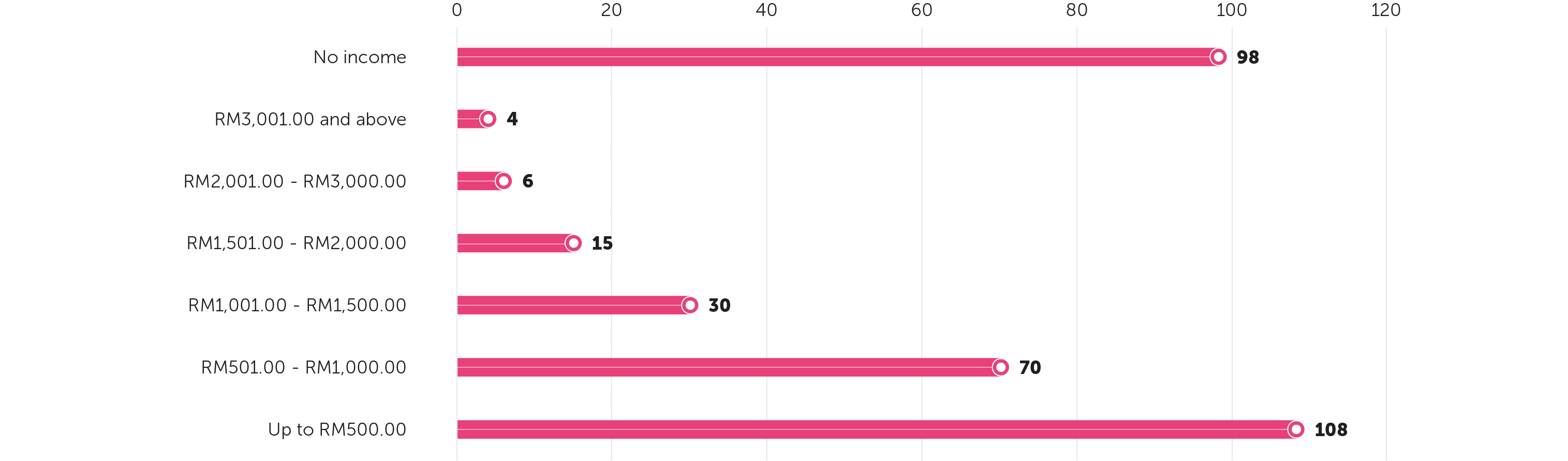
Figure 2: Monthly Household Income in Sarawak.
Monthly Household Incomes in Perak
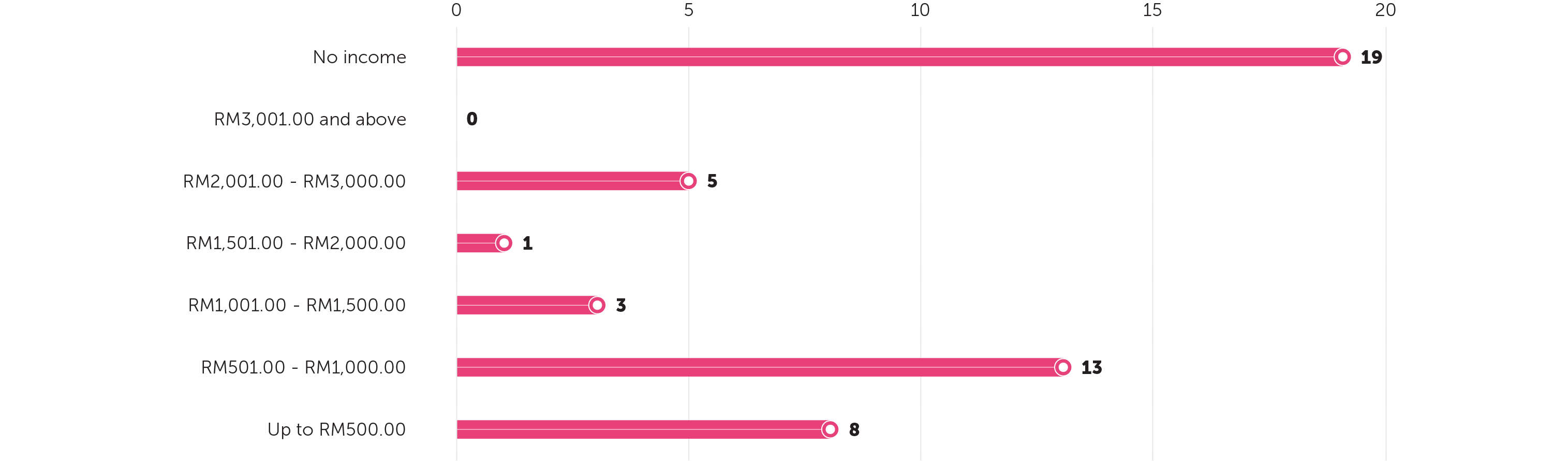
Figure 3: Monthly Household Income in Perak.
The Need for Mobile Service in the Remaining 3 Per Cent of the Populated Areas
According to the survey conducted, although 62 per cent of participants managed to get a mobile phone signal or mobile service in their area, only 17 per cent of participants did not have to travel to get a mobile signal. In both locations, where coverage was unavailable, most users could obtain a phone signal within 100 metres from their respective locations, suggesting that most individuals must venture outside their immediate vicinity to access mobile connectivity.
Approximately 72 per cent of participants use smartphones, highlighting the widespread adoption of advanced mobile technology. However, nearly 30 per cent still use feature phones, indicating a diverse range of device preferences. A majority (73 per cent) of participants own only one mobile phone. In comparison, a small percentage (5 per cent) do not own any mobile phone at all, suggesting varying levels of mobile phone ownership within the surveyed population. About 31 per cent of participants mentioned that three members of their household own mobile phones, indicating multiple mobile phone users within households. For participants without a mobile phone, the main reasons cited included the cost of mobile phones and Internet data (70 per cent) and lack of mobile service (30 per cent), indicating affordability and accessibility as key concerns.
Figure 4 shows the participants' subscriptions to mobile service providers. Around 74 per cent of participants have subscribed to either a prepaid or postpaid plan, while 26 per cent have not subscribed to any mobile service provider. This indicates potential barriers for some groups of participants, likely due to access and affordability constraints.
Subscription to Mobile Service Provider
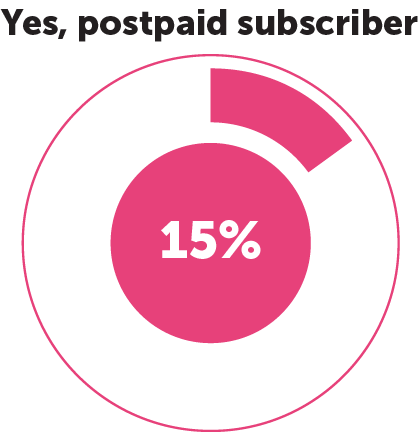
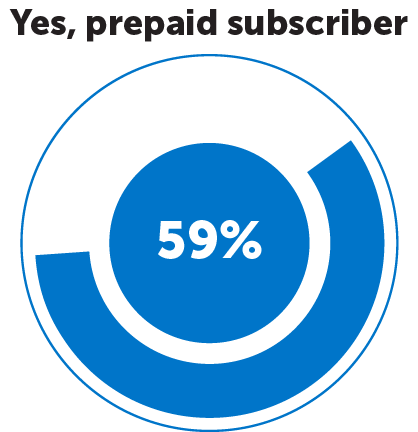
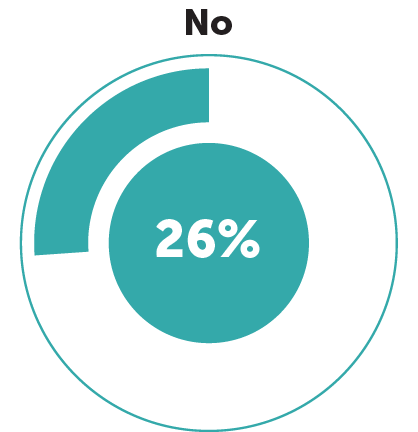
Figure 4: Subscription to Mobile Service Provider.
The chart in Figure 5 shows that nearly half of the respondents (49.2 per cent) are dissatisfied or very dissatisfied with their mobile service providers, while 23.9 per cent feel neutral. Only 26.9 per cent of users report being satisfied or very satisfied. This indicates that most users are either unhappy or indifferent about their mobile service, suggesting a need for improvement in areas such as service quality and customer support to boost satisfaction levels. Mobile service providers should focus on improving their service to reduce dissatisfaction and increase satisfaction levels.
Satisfaction Level with Mobile Service Providers
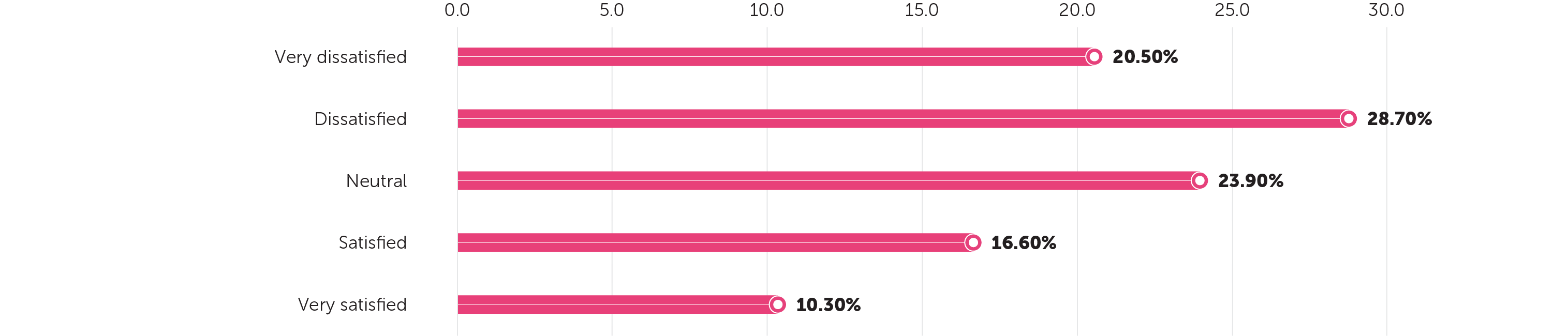
Figure 5: Satisfaction Level with Mobile Service Providers.
Figure 6 shows the methods of Internet access used by the participants. Around 64 per cent access the Internet using mobile data, and 20 per cent of access it through community Wi-Fi, indicating reliance on mobile connectivity for Internet access. At least 66 per cent of the participants require more than basic Internet speed. The top three factors for participants in choosing an Internet Service Provider (ISP) included faster Internet speed (43 per cent), wider Internet coverage (33 per cent), and the use of 4G and 5G technology (24 per cent), indicating a strong preference for advanced and high-speed Internet services.
Methods of Access to the Internet
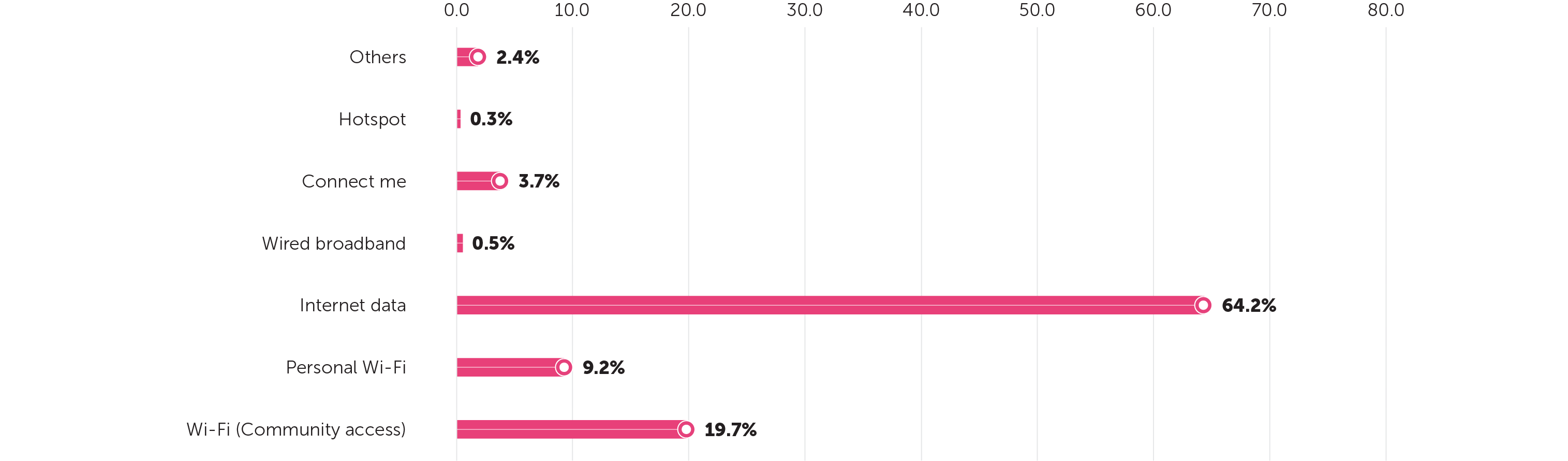
Figure 6: Methods of Access to the Internet.
Sufficiency of Internet Connectivity (Wi-Fi) in the Remaining 3 Per Cent of the Populated Areas
Around 88 per cent of respondents feel that having Internet coverage is essential for them. In both Sarawak and Perak, more than 60 per cent of the participants feel that having Internet connectivity using Wi-Fi is not sufficient for daily usage, as shown in Figure 7 and Figure 8. Around 63 per cent may consider using satellite-based Internet, as shown in Figure 9. This suggests a recognition of the potential of alternative technologies to address connectivity challenges in areas with limited infrastructure.
Internet Connectivity using WiFi is Sufficient for Daily Use in Sarawak
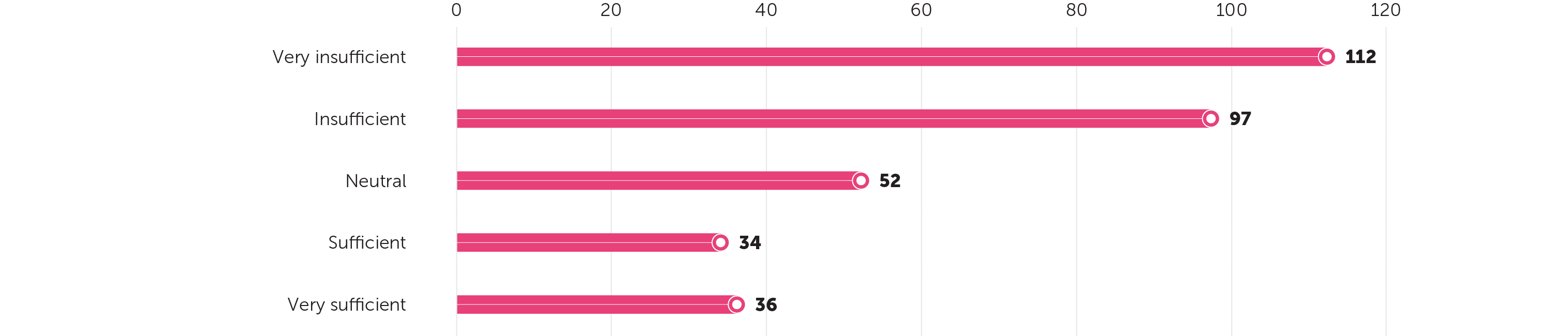
Figure 7: Internet Connectivity using WiFi is Sufficient for Daily Use in Sarawak.
Internet Connectivity using WiFi is Sufficient for Daily Use in Perak
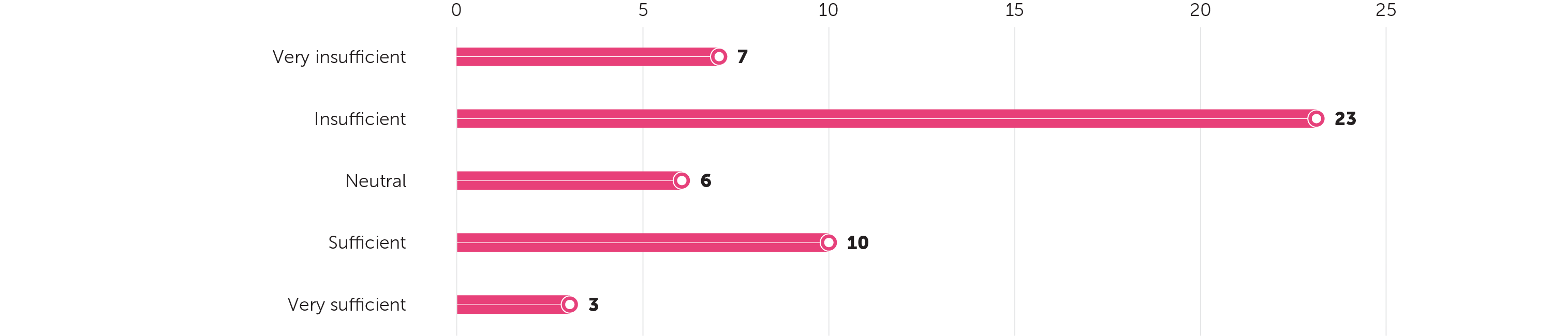
Figure 8: Internet Connectivity using WiFi is Sufficient for Daily Use in Perak.
Consideration of using the Satellite-based Internet Services
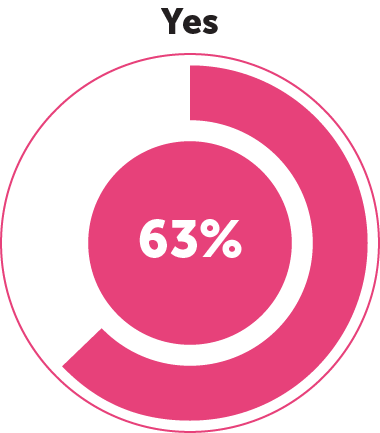
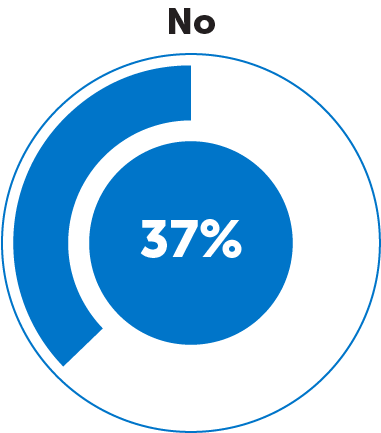
Figure 9: Consideration of using the Satellite-based Internet Services.
Figure 10 illustrates the accessibility and satisfaction levels of the participants on the Internet coverage, ISPs, and Wi-Fi connections. A majority of respondents (76 per cent) agreed that they would travel to a place with Internet access to use it, underscoring the importance of connectivity despite potential inconvenience. While more than half of the respondents possess knowledge of obtaining Internet data and Wi-Fi, only 36 per cent express satisfaction with their current Internet Service Provider (ISP). Additionally, a significant proportion (46 per cent) of respondents feel that Wi-Fi connectivity is insufficient to meet their community's Internet needs, indicating dissatisfaction with the reliability or coverage of Wi-Fi services.
Accessibility and Satisfaction Level
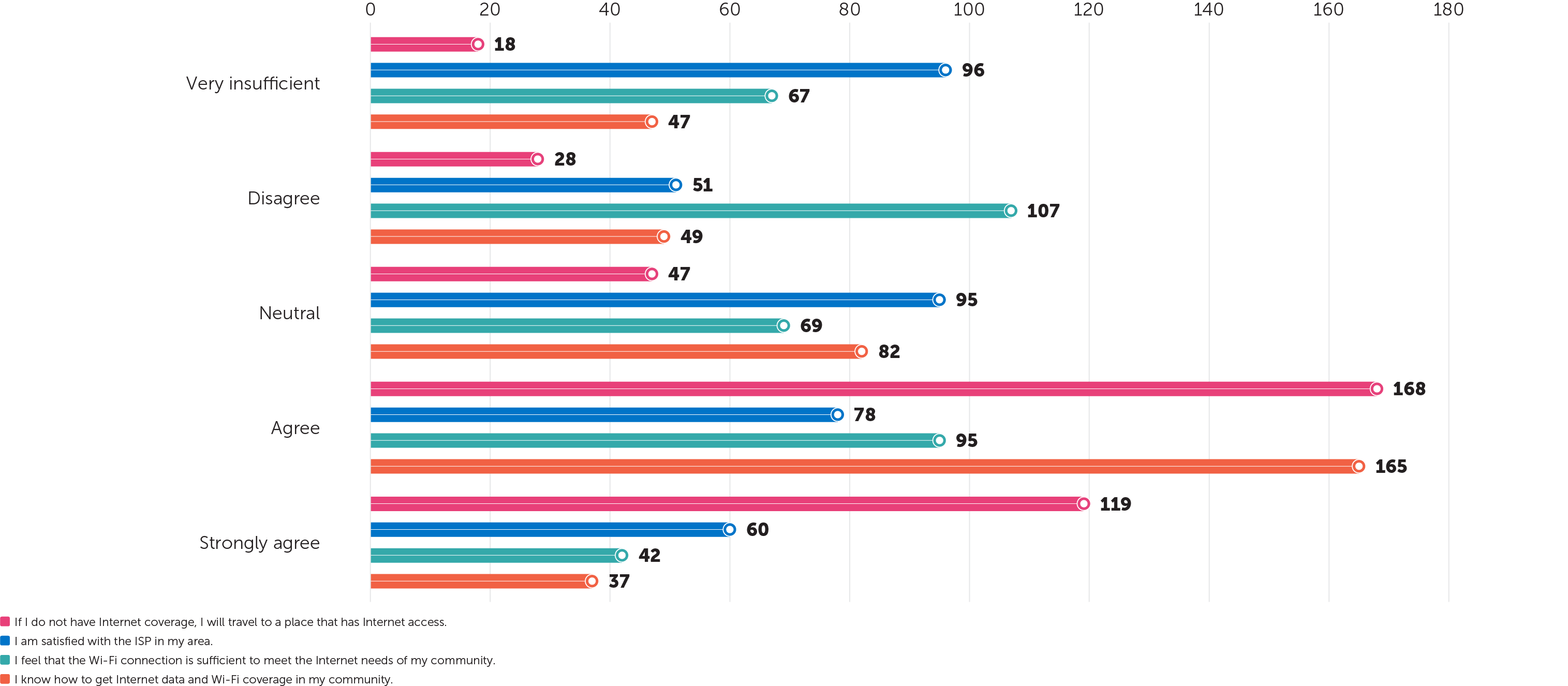
Figure 10: Accessibility and Satisfaction Level.
The Maximum Price the User is Willing to Pay for Internet (Wi-Fi) Service
Figure 11 and Figure 12 show the amount users are willing to spend on a mobile phone subscription each month in Sarawak and Perak. A significant portion of respondents (42 per cent) prefer to spend less than RM30 per month on mobile phone subscriptions, while 45 per cent are willing to allocate between RM30 to RM50 monthly. Only a minimal percentage (1 per cent) is open to spending more than RM100 per month. Similarly, the vast majority (94 per cent) of respondents are unwilling to pay RM250 per month for satellite-based Internet services, suggesting a preference for more affordable connectivity options.
The Amount Users are Willing to Spend on Mobile Phone Subscriptions per Month in Sarawak
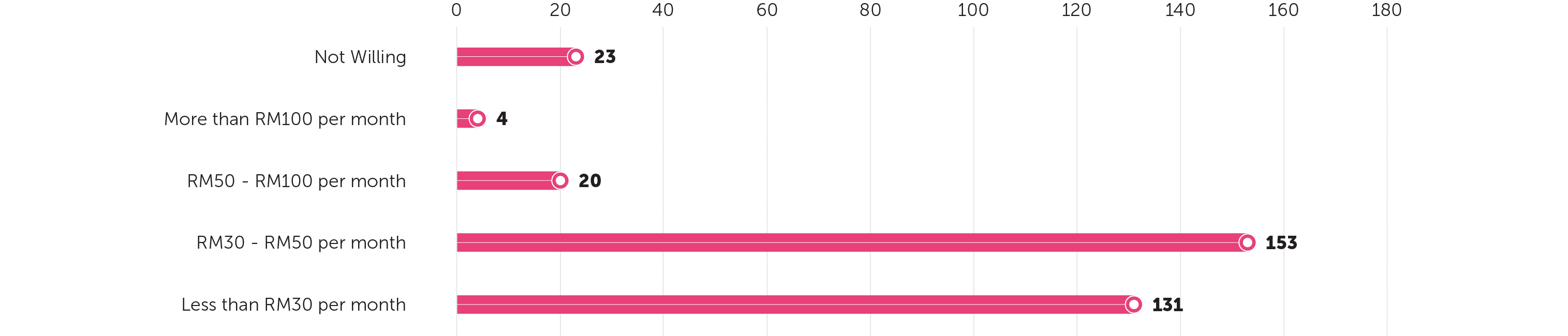
Figure 11: The Amount Users are Willing to Spend on Mobile Phone Subscriptions per Month in Sarawak.
The Amount Users are Willing to Spend on Mobile Phone Subscriptions per Month in Perak
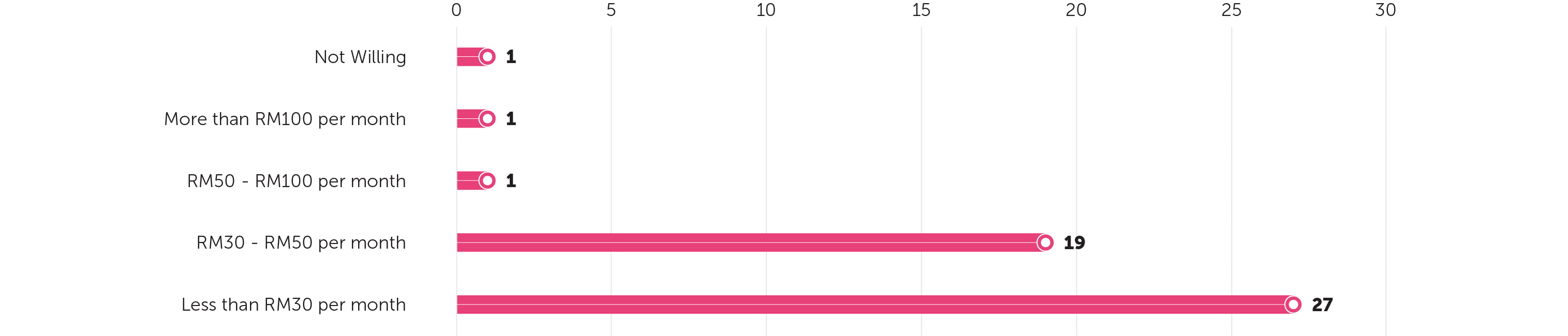
Figure 12: The Amount Users are Willing to Spend on Mobile Phone Subscriptions per Month in Perak.
Four Internet package options were offered to participants to choose from, with most participants (64 per cent) preferring Package A (worth RM20 per month), and around 25 per cent opting for Package B (worth RM50 per month), as shown in Figure 13.
Package Preferred
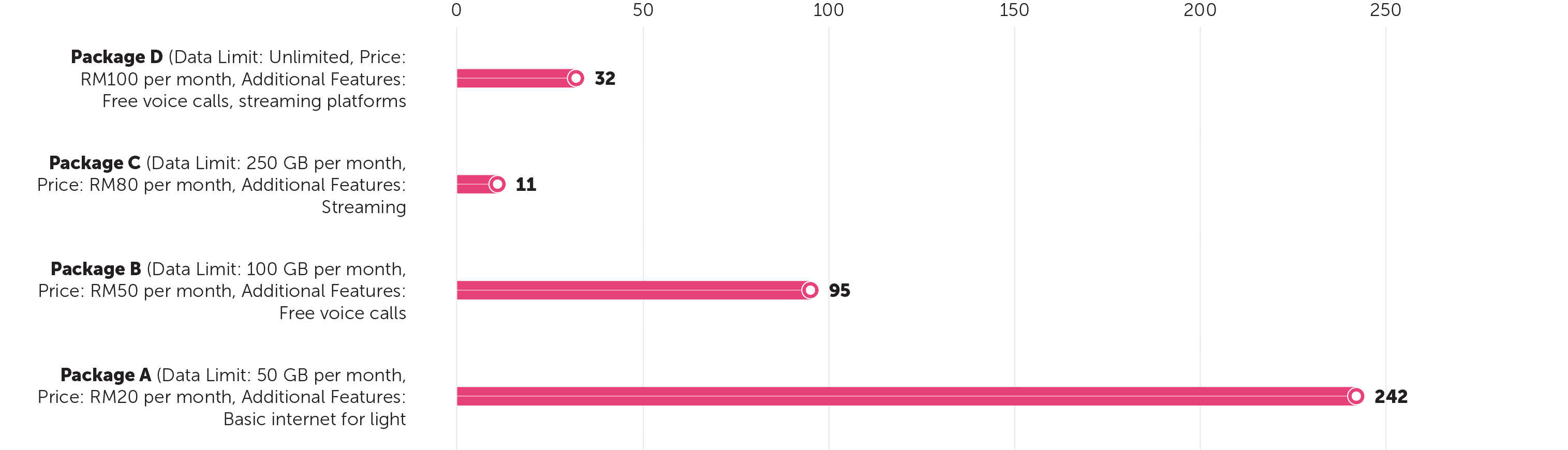
Figure 13: Package Preferred by the Users.
This finding pertains to the monthly expenditure on Internet Service (Wi-Fi) subscriptions by respondents. Over three-quarters of respondents spend no more than RM50 per month on Internet service, with 40 per cent of them spending less than RM10. According to the participants, Internet speed, Internet quota, and Internet coverage remain the top three reasons for choosing Internet service in relation to the price. Limited disposable income and competing financial priorities, such as basic necessities, make it challenging for residents to afford expensive Internet plans. As a result, they may feel disillusioned by the perceived lack of affordable options from mobile service providers.
The Most Crucial Service and Application Required by the Communities
The majority of respondents (Figure 14) do not conduct online banking transactions or use e-wallets for payments, with around 78 per cent using their mobile phones daily primarily to make and receive calls, use social media, and browse the Internet. Meanwhile, the three least functions used by the respondents are conducting business, sending or receiving money, and online shopping.
Use of Internet for Online Banking and Use of e-wallet to Make Payment

Figure 14: Use of Internet for Online Banking and Use of e-wallet to Make Payment.
Approximately 280 participants use Internet connections to stay in touch with others, highlighting the crucial role of Internet connectivity in fostering community engagement. An additional 172 participants rely on the Internet for remote work and online job opportunities, followed by 168 respondents who use it for educational purposes. The least common use is for telemedicine, suggesting potential areas for improvement or expansion in healthcare services facilitated by digital technologies.
Conversely, there are slight regional differences between participants in Sarawak and Perak regarding the perceived importance of Internet connectivity, as shown in Figure 15. In Perak, 67 per cent of participants prioritise enhancing educational opportunities as the primary use of Internet connectivity, whereas this ranks third in Sarawak. In Sarawak, the most significant use is staying connected with others, emphasised by 75 per cent of participants, compared to 63 per cent in Perak. However, both states report that telemedicine is the least common use of Internet connectivity.
Ways the Internet Connectivity Affects the Community – Grouped by States
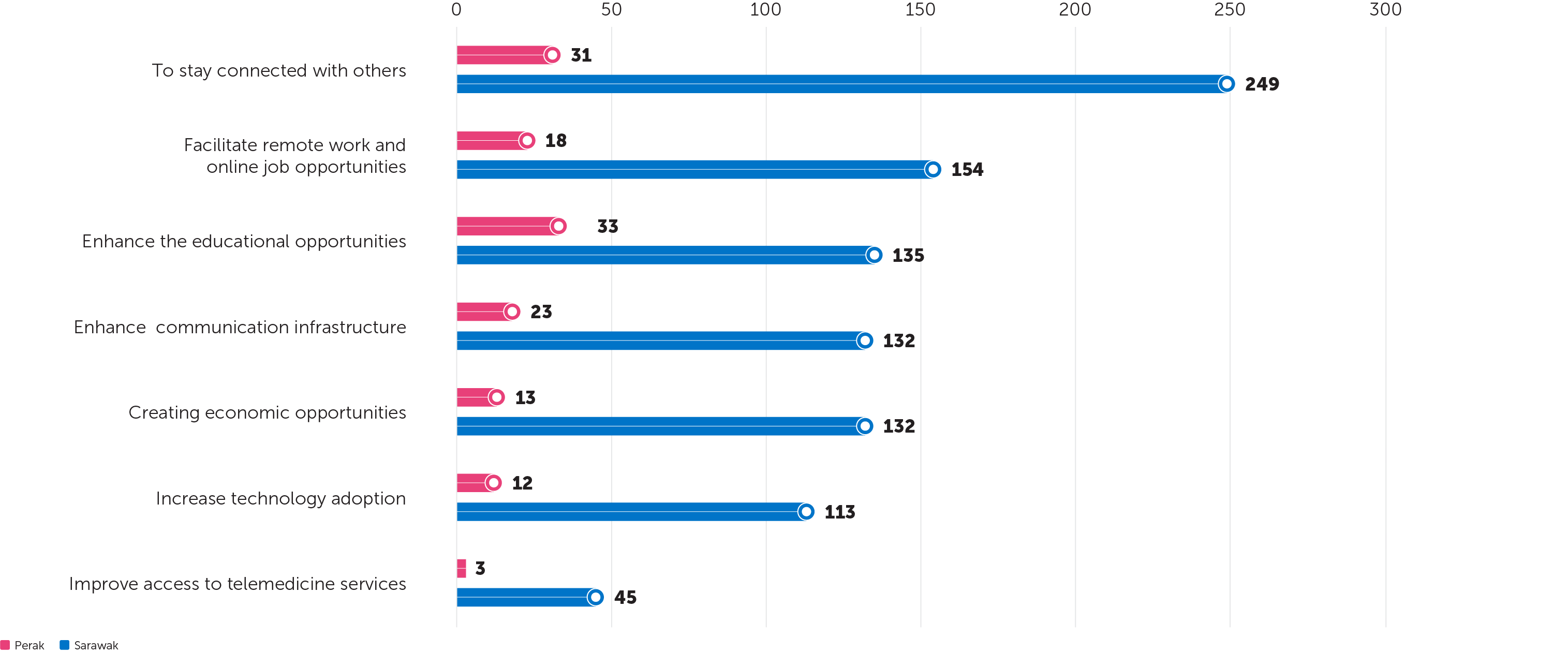
Figure 15: Ways the Internet Connectivity Affects the Community – Grouped by States.
Table 1 illustrates the correlation between age groups and the impact of Internet connectivity on the community. There is a significant correlation between age and two specific ways Internet connectivity affects the community: creating economic opportunities and enhancing educational opportunities Participants above 31 years old are more concerned with economic opportunities, whereas those below 25 years old prioritise educational opportunities. The absence of reliable Internet infrastructure limits entrepreneurship opportunities and stifles economic growth in rural communities, contributing to lower educational attainment levels and widen the education gap between urban and rural students.
Age |
Creating economic opportunities |
Facilitate remote work and online job opportunities |
Enhance the educational opportunities |
Enhance communication infrastructure |
Increase technology adoption |
Improve access to telemedicine services |
To stay connected with others |
||
|---|---|---|---|---|---|---|---|---|---|
| Age | Pearson Correlation | 1 | 0.123* | -0.059 | -0.144** | 0.032 | 0.004 | 0.007 | 0.088 |
| Sig. (2-tailed) | 0.016 | 0.251 | 0.005 | 0.539 | 0.939 | 0.891 | 0.086 | ||
| N | 380 | 380 | 380 | 380 | 380 | 380 | 380 | 380 |
*. Correlation is significant at the 0.05 level (2-tailed).
**. Correlation is significant at the 0.01 level (2-tailed).
Table 1: Correlations: Age and Ways the Internet Connectivity Affects the Community.
Overall, these findings from Sarawak and Perak suggest that while participants primarily utilise Internet services for communication, social interaction, and information browsing, there is room for increased engagement in digital financial services and e-commerce activities. These services are accessed with the limited Internet coverage available right now. Moreover, the data highlights the diverse ways in which Internet connectivity positively impacts the community, particularly in terms of facilitating remote work, education, and social connections. Efforts to enhance Internet access and digital literacy can further empower individuals and communities to leverage the full potential of digital technologies for socio-economic development and well-being.
Recommendations
Improving mobile service quality, addressing higher costs, and expanding Internet coverage in rural areas require a comprehensive approach that considers infrastructure development, policy interventions, and community engagement. Figure 16 illustrates the proposed framework on the analysis, dissatisfaction factors and recommendations for improvement in the research.
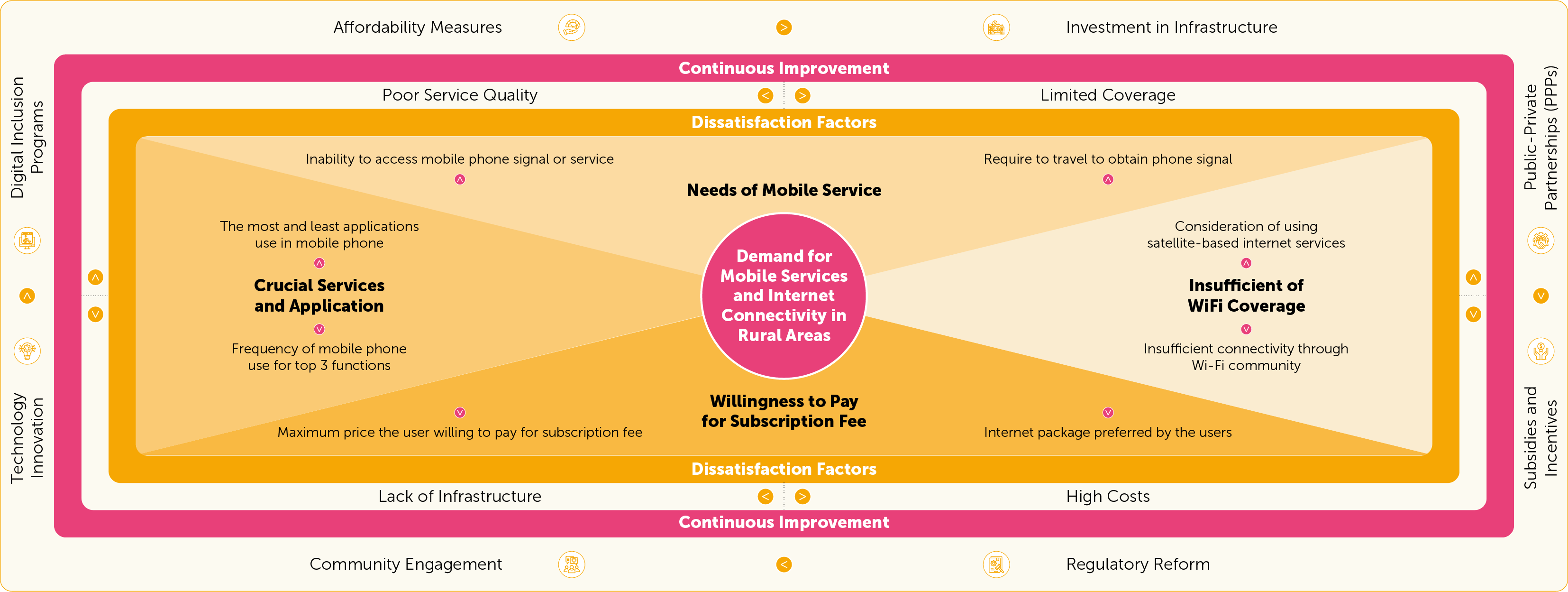
Figure 16: Proposed Framework on the Analysis, Dissatisfaction Factors, and Recommendations for Improvement.
A detailed overview of the proposed framework, specifically the recommendations for improving Internet connectivity in rural areas, as outlined in Figure 16, is displayed in Figure 17.
| Current Implementations | Impacts | |
|---|---|---|
|
Subsidies and Incentives
|
|
|
|
Technology Innovation
|
|
|
|
Affordability Measures
|
|
|
|
Community Engagement
|
|
|
|
Public-Private Partnerships (PPPs)
|
|
|
|
Regulatory Reform
|
|
|
|
Digital Inclusion Programmes
|
|
|
|
Investment in Infrastructure
|
|
|
Figure 17: Recommendations for the Enhancement of Internet Connectivity in Rural Areas.
To bridge the digital divide and ensure that rural areas have access to modern telecommunications services, the Malaysian government, in collaboration with telecommunications companies, needs to prioritise substantial investment in expanding mobile network infrastructure, as the research participants require both mobile network and Internet connectivity. This includes the expansion of fibre optic networks and mobile coverage, as well as providing option for satellite Internet services.
Substantial investment in telecommunications infrastructure, supported by initiatives programmes launched by the Malaysian government to enhance digital infrastructure and connectivity across the country, such as JENDELA and the Universal Service Provision (USP) Project, is crucial for ensuring that rural areas in Malaysia have access to reliable and high-quality mobile and Internet services. These efforts will help bridge the digital divide and promote inclusive economic and social development.
In addition, to promote the development of telecommunications infrastructure in rural and underserved areas, the government can offer various subsidies and financial incentives to mobile service providers. These measures can encourage investment in infrastructure that might otherwise be economically unfeasible.
Moreover, Public-Private Partnerships (PPPs) play a vital role in effectively deploying telecommunications infrastructure in rural and underserved areas. Initiatives like SMART600, HSBB, SUBB, and SKR1M demonstrate how collaboration among governments, mobile operators, and other stakeholders can leverage resources, expertise, and technology to expand coverage and enhance service quality. By continuing to foster such partnerships, Malaysia can ensure that all its citizens in rural areas have access to reliable and high-speed Internet, supporting economic growth, social inclusion, and overall national development.
Nevertheless, regulatory reforms are urgently needed to improve telecommunications infrastructure in rural and underserved areas. By streamlining permitting processes, providing affordable spectrum licenses, and implementing fair competition policies, the government can create an environment that incentivises investment and promotes the rapid deployment of high-quality telecommunication services. Active collaboration between MCMC and state governments is essential to ensure these reforms are effectively implemented and tailored to address local needs, ultimately bridging the digital divide and fostering inclusive economic and social development in Malaysia.
In fact, engaging local communities in the planning and implementation of mobile infrastructure projects through initiatives like JENDELA and National Information Dissemination Centre (NADI) is significant for ensuring their relevance, sustainability, and success. By adopting a community-driven approach, these initiatives can more effectively identify specific needs, allocate resources, and foster a sense of ownership and support. This not only enhances the quality and reach of digital services, but also empowers communities, promoting inclusive economic, and social development.
Satellite-based Internet technologies, such as the LEO Starlink satellite network, can offer a very promising solution by providing high-speed, low-latency broadband that can reach even the most remote communities. Nevertheless, the findings suggest that respondents prioritise cellular connectivity over just Internet services. Governments and telecommunication providers should therefore focus on expanding both cellular and broadband infrastructure to meet the diverse connectivity needs of all populations. By leveraging these technologies, governments and telecommunication providers can overcome the challenges of traditional infrastructure deployment, ensuring that all populations have access to the digital resources they need for economic growth, social inclusion, and overall development.
Investments in digital literacy and skills training are also essential to complement infrastructure development and ensure that rural residents can fully benefit from mobile and Internet services. NADI centres play a crucial role in delivering these programmes, offering a wide range of courses and training that build basic digital skills, raise awareness about online safety, and promote the use of digital tools for education, healthcare, and economic empowerment. By equipping residents with these skills, communities can thrive in a digital age, leading to enhanced economic opportunities, educational advancement, improved healthcare access, and stronger social connections.
On a final note, to ensure that rural residents can fully benefit from mobile services and Internet access, it is crucial to implement measures that make these services more affordable. The government and mobile operators can work together to introduce subsidised tariffs, offer low-cost data plans, and provide free or discounted access to essential services such as healthcare and education websites.
Conclusion
In conclusion, this research study has fulfilled all its research objectives through a quantitative study. By identifying the need for mobile services in 3 per cent of the populated areas under the JENDELA programme, the maximum price the users are willing to pay for the Internet services, and the most crucial services and applications required by the communities, the study aims to propose recommendations that can bridge the digital divide, ensuring equitable access to mobile services and Internet connectivity for all, irrespective of geographical location, or economic status. These includes investment in infrastructure, subsidies and incentives, PPPs, regulatory reform, community engagement, technology innovation, digital inclusion programmes, and affordability measures. Ultimately, the outcomes of this research contribute to the execution of Pelan Jalinan Digital Negara (JENDELA) Phase 2, fostering digital inclusion, nurturing economic growth, and enriching the quality of life for rural communities in Malaysia. This research aligns well with the Twelfth Malaysia Plan and Sustainable Development Goals (SDG) 9, which focuses on Internet connectivity for all.
References
Arora, A., & Bansal, A. (2020).
Digital Divide: A Challenge in the Adoption of Digital Payments in Rural India. Journal of Internet Banking and Commerce.
Ayob, N. H., Aziz, M. A., & Ayob, N. A. (2022).
Bridging the Digital Divide: Innovation Policy and Implementation in Malaysia. International Journal of Academic Research in Business and Social Sciences, 12(8), 1373 – 1389.
Bernama. (2023).
Jendela Phase 1 implementation successful, exceeds targets: MCMC. New Straits Times. https://www.nst.com.my/news/nation/2023/06/915714/jendela-phase-1-implementation-successful-exceedstargets-mcmc.
Castells, M., Fernández-Ardèvol, M., Qiu, J. L., & Sey, A. (2020).
Mobile Communication and Society: A Global Perspective. MIT Pres.
Dhanarajan, G., & Muhammad, N. (n.d.).
The Digital Divide in Rural Areas: Assessing the Developmental Consequences of ICTs. In Sustainable Economic Development. Springer.
Fahmi: Internet access issue especially in rural areas to be resolved by June. (2023, March 7).
Malay Mail. https://www.malaymail.com/news/malaysia/2023/03/07/fahmi-internet-access-issue-especially-in-rural-areas-to-be-resolved-by-june/58329.
Farah Adilla. (2022, October 5).
Govt must close broadband gap between rural, urban areas to enhance digitally-inclusive society. New Straits Times. https://www.nst.com.my/business/2022/10/837349/govt-must-close-broadbandgap-between-rural-urban-areas-enhance-digitally.
Fernández-Ardèvol, M., Galperin, H., & Vieira, V. J. (2017).
The ICT and Development Divide in the Americas. Telecommunications Policy, 41(10), 1033-1040.
Kumar, R. (2014).
Research Methodology: a step-by-step guide for beginners. Sage Publications.
MCMC. (2022a).
JENDELA-Phase-1-Concluding-Report [Review of JENDELA-Phase-1-Concluding-Report]. Malaysian Communications and Multimedia Commission.
MCMC. (2023a).
Digital Connectivity - Ensuring Everyone Gets Connected: A Glance at Malaysia's Digital Connectivity Journey. Malaysian Communications and Multimedia Commission. https://www.mcmc.gov.my/skmmgovmy/ media/General/pdf2/ Insight-Digital-Connectivity.pdf.
Meikeng, Y. (2020).
Boosting connectivity. The Star. Retrieved August 28, 2023, from https://www.thestar.com.my/news/focus/2020/09/27/boosting-connectivity.
Qiang, C. Z., Kuek, S. C., Dymond, A. W., & Esselaar, S. (2019).
World Development Report 2016: Digital Dividends. World Bank Publications.
Taasoobshirazi, G., & Wang, S. (2016).
The performance of the SRMR, RMSEA, CFI, and TLI: An examination of sample size, path size, and degrees of freedom. Journal of Applied Quantitative Methods, 11(3), 31-39.
Wahab, N. A., Ahmad, M. R., Isa, A. A. M., Malik, R. F., & Esa, M. R. M. (2019).
WiFi Temporal Coverage: Analysis of Socio-Economics Influences in Malaysia. IOP Conf. Series: Earth and Environmental Science 228.
Walden, P., Nucciarelli, A., & Bassi, A. (2019).
Developing Connectivity and Reaching Rural Areas: The Policy Challenge. Telematics and Informatics, 42, 101225.