
TOPIC
01
Catalysing Sustainable E-Waste Management: An Exploratory Study of Urban and Rural Malaysian Consumer Behaviour
LEAD RESEARCHER
Ts. Dr. Amal A. M. Elgharbawy
INTERNATIONAL ISLAMIC UNIVERSITY MALAYSIA
TEAM MEMBERS
Dr. Nurhusna Samsudin
INTERNATIONAL ISLAMIC UNIVERSITY MALAYSIA
Dr. Anis Najiba Bt. Ahmad
INTERNATIONAL ISLAMIC UNIVERSITY MALAYSIA
Assoc. Prof. Ts. Dr. Noor Faizul Hadry Nordin
INTERNATIONAL ISLAMIC UNIVERSITY MALAYSIA
Dr. Wan Syibrah Hanisah Binti Wan Sulaiman
INTERNATIONAL ISLAMIC UNIVERSITY MALAYSIA
Abstract
This study investigates the critical role of mobile services and Internet connectivity in the socio-economic development of rural areas, highlighting the disparities between urban and rural access. The research aims to understand the demand for these services in rural communities, focusing on how connectivity influences their daily lives and socio-economic progress. It particularly examines the relationship between affordability and spending power, emphasising the financial constraints that lead rural households to prioritise necessities over technology adoption. Conducted within the Malaysian context, where 3 per cent of populated areas lack Internet coverage and mobile services, the study uses a quantitative approach through a questionnaire survey, collecting 380 responses from residents in remote areas of Sarawak and Perak. The findings reveal that most respondents rely on mobile services for daily use but find existing Internet connectivity (Wi-Fi) insufficient. They are unwilling to pay higher fees for better Internet services, highlighting the importance of affordability. The study identifies social communication, job and education opportunities, and improved communication infrastructure as the most crucial services needed by the community. The research has significant implications for policy formulation, industry engagement, and rural development initiatives. It supports the execution of Pelan Jalinan Digital Negara (JENDELA) Phase 2, aimed at fostering digital inclusion, nurturing economic growth, and improving the quality of life for rural communities in Malaysia. The study's outcomes align with the Twelfth Malaysia Plan and Sustainable Development Goals (SDG) 9, which focus on enhancing Internet connectivity for all.
Keywords: Mobile Services, Internet Connectivity, Rural Areas, Socio-Economic Development, Affordability
Introduction
The rapid advancement of technology and the widespread adoption of mobile broadband in Malaysia have led to a significant increase in the usage of smartphones and other electronic devices (Bag et al., 2021). However, this technological progress has also resulted in a growing concern - electronic waste (e-waste) (Ribeiro et al., 2022). E-waste, referring to discarded electronic devices containing hazardous materials, poses a threat to human health and the environment (Kalambe et al., 2023; Razali & Wai, 2019). This surge in electronic consumption has resulted in a corresponding increase in e-waste generation, presenting challenges related to its proper disposal and recycling (Bag et al., 2021).
The inefficient handling of e-waste can have detrimental effects on the environment, including soil and water pollution, as well as the release of toxic substances into the air (Jain et al., 2023). Furthermore, the improper disposal of e-waste can lead to the loss of valuable resources, as electronic devices contain precious metals and rare earth elements that can be recovered and reused (Changwichan et al., 2018). This loss of valuable resources contributes to a waste of economic potential and strains the country's financial resources (Saha et al., 2021).
Currently, Malaysia lacks sufficient expertise, facilities, and political and financial will to effectively convert e-waste into valuable source materials (Abd-Mutalib et al., 2021). The country urgently needs an appropriate e-waste management system to reduce the flow of e-waste into municipal solid waste facilities, and maximise the utilisation of existing e-waste processing infrastructures and facilities (Abd-Mutalib et al., 2021).
The Department of Environment (DOE) in Malaysia plays a crucial role in controlling and regulating environmental issues, including e-waste management (Jain et al., 2023). However, despite the efforts of government agencies and initiatives like the "KITAR: Peranti Lama, Nafas Baharu" campaign initiated by the Malaysian Communications and Multimedia Commission (MCMC) in 2015, inadequate management practices and the rapid adoption of technology continue to exacerbate the e-waste problem (Agamuthu & Barasarathi, 2020; Bag et al., 2021). This underscores the pressing need to understand and address consumer behaviour and perceptions regarding e-waste recycling, particularly among urban and rural users (Bag et al., 2021).
Problem Statement
The rapid adoption of mobile broadband technology in Malaysia has led to a surge in smartphone usage, resulting in increased electronic waste (Bag et al., 2021). Remarkably, a mere decade ago, in 2010, merely 14 per cent of mobile phone users employed smartphones, a figure that skyrocketed to 94.8 per cent by 2021 (MCMC Handphone Users Survey, 2010; MCMC Handphone Users Survey, 2021, cited in Bag et al., 2021). Managing this e-waste poses significant challenges due to rapid technological obsolescence and inadequate recycling infrastructure (Jain et al., 2023). Therefore, understanding and addressing consumer behaviour and perceptions regarding e-waste recycling, especially among urban and rural users, is crucial (Bag et al., 2021). In response, the Malaysian Communications and Multimedia Commission (MCMC) initiated the "KITAR: Peranti Lama, Nafas Baharu" campaign in 2015 to promote environmentally responsible disposal and recycling of end-of-life mobile devices (Agamuthu & Barasarathi, 2020). Despite such initiatives, inadequate management practices and the rapid pace of technological advancements have exacerbated the e-waste problem (Bag et al., 2021). The shorter lifespan of smartphones, driven by obsolescence and technological advancements, results in frequent replacements and improper disposal of devices laden with hazardous materials like lead, cadmium, and mercury (Jain et al., 2023; Razali & Wai, 2019).
In light of the above discussion, the current study raises the question of what are the factors influencing Malaysian urban and rural users' engagement in mobile e-waste recycling practices, and how do these behaviours and perceptions vary between different user demographics.
Objectives
To address the above research question, the present study aims to achieve the following research objectives: (RO)
RO1: To analyse the awareness and perception level of Malaysian urban and rural users on mobile e-waste recycling.
RO2: To analyse the intention and motivation of Malaysian urban and rural users regarding mobile e-waste recycling.
RO3: To explore the methods, platforms, and practices they use, including engagement with the KITAR programme; and
RO4: To provide recommendations for improving awareness and participation in mobile e-waste recycling.
Literature Review
E-Waste Generation and Management in Malaysia
E-waste is a comprehensive expression encompassing all forms of electrical and electronic equipment (EEE) along with their components, which have been disposed of by their owners as waste, devoid of any intention for reuse (Shad, Tan, & Karim, 2020). In Malaysia, electronic waste (e-waste) is classified as scheduled waste under the Environmental Quality (Scheduled Wastes) Regulations 2005.
The generation of e-waste in Malaysia has been on the rise due to factors such as the short lifespan of electronic devices, rapid technological advancements, and increasing consumer demand (Abd-Mutalib et al., 2021). According to a study, industrial e-waste in Malaysia increased by 60.3 per cent within just three years, from 2015 to 2017 (Abd-Mutalib et al., 2021).
Regrettably, only a minor fraction, accounting for 20 per cent of the generated e-waste, is currently being documented and recycled (Roy et al., 2022). It is worth noting that in developed nations, approximately 1.7 million metric tons of e-waste are disposed of through methods like incineration or landfilling due to the lack of mechanism of collection for e-waste (Shad, Tan, & Karim, 2020). The improper management of e-waste can have detrimental effects on the environment, including soil and water pollution, as well as the release of toxic substances into the air (Jain et al., 2023).
A recent study highlights the need for further investment and enhancement of existing facilities to meet the increasing demand for e-waste recycling and to reduce reliance on traditional waste management methods (Abd-Mutalib et al., 2021). The country urgently needs an appropriate e-waste management system to reduce the flow of e-waste into municipal solid waste facilities and maximise the utilisation of existing e-waste processing infrastructures and facilities (Abd-Mutalib et al., 2021). The Department of Environment (DOE) in Malaysia plays a crucial role in controlling and regulating environmental issues, including e-waste management (Jain et al., 2023).
All electrical and electronic equipment (EEE) and their components that have been discarded as waste without the owner's intention of reusing them are collectively known as electronic waste (e-waste), according to the United Nations-Department of Environment (DOE). Focusing on household e-waste, it is important to reference the categories as defined by the UN-DOE, which typically include six (6) categories of household wastes that are: (i) temperature exchange equipment, (ii) screens and monitors, (iii) lamps, (iv) large equipment, (v) small equipment, and (vi) small IT and telecommunication equipment.
Impact of E-Waste on Malaysia's Economy
The e-waste problem in Malaysia has significant economic implications. Firstly, the improper disposal of e-waste can lead to the loss of valuable resources. Electronic devices contain precious metals and rare earth elements that can be recovered and reused. However, without proper recycling and extraction processes, these valuable resources are lost, leading to a waste of economic potential (Changwichan et al., 2018). Furthermore, the management and treatment of e-waste require financial resources. The current practices of e-waste management in Malaysia, including collection, transportation, and disposal, incur costs that are borne by the government and waste management bodies (Razali & Wai, 2019). A few examples of such waste management bodies, in the context of Malaysia, include the Ministry of Housing and Local Government (KPKT), the Department of Environment (DOE), Solid Waste Management and Public Cleansing Management Corporation (SWCorp), and others. Insufficient funding and investment in e-waste management can strain the country's financial resources and hinder the development of sustainable practices.
The presence of a well-regulated and efficient e-waste management system can enhance Malaysia's image as a responsible and environmentally conscious country, attracting investment and promoting economic growth (Abd-Mutalib et al., 2021). Nonetheless, effective management of this waste could transform it into a lucrative business prospect, yielding substantial profits. This is attributed to the presence of valuable materials like gold, silver, platinum, and palladium within e-waste (Suja, Abdul Rahman, Yusof, & Masdar, 2014).
Addressing the E-Waste Problem
E-waste management in Malaysia is currently in its initial phases, encompassing the recycling system for e-waste. The primary issue pertaining to e-waste within the country is the suboptimal disposition of Malaysians towards e-waste recycling (Mahat, Hashim, Nayan, Saleh, & Norkhaidi, 2019). To address the e-waste problem and mitigate its impact on Malaysia's economy, several measures can be taken. Firstly, there is a need to raise awareness among the public about the hazards of e-waste and the importance of proper disposal and recycling. Studies have shown that sufficient awareness can positively influence the management and disposal of e-waste (Abd-Mutalib et al., 2021).
Secondly, the government should strengthen regulations and policies related to e-waste management. The existing legislation, such as the Environmental Quality Act and the Schedule Waste Regulation, provides a framework for managing e-waste in Malaysia (Agamuthu & Barasarathi, 2020). However, there is a need for stricter enforcement and the development of comprehensive guidelines to ensure compliance and accountability.
Defining Urban and Rural
Stivens (2012) states that places outside of cities and towns are considered rural. These areas are usually defined by low population density, restricted access to public services, and agricultural activity. The characteristics of urban regions in Malaysia include a larger population, a higher population density, more economic activity, and better access to services and amenities (Mahmoud et al., 2022). According to the report "Key Findings of Population and Housing Census of Malaysia 2020: Urban and Rural", published by the Department of Statistics Malaysia (DOSM), Urban areas are defined as gazetted areas or any adjacent built-up areas within the designated boundary. Together, these areas must have a combined population of 10,000 or more. Built-up areas were defined as areas contiguous to a gazetted area and had at least 60 per cent of their population (aged 15 years and over) engaged in non-agricultural activities. Rural refers to strata 3 and 4, which are areas/ settlements with a population of less than 10,000 persons. The majority of their population (aged 15 years and over) engaged in agricultural activities. Based on the above review, the present study used the following definition for better comprehension:

Urban:
Town/city with more than 10,000 people and mostly non-agricultural jobs.

Rural:
Village/area with less than 10,000 people and mostly agricultural jobs.
Theory of Planned Behaviour (TPB)
The Theory of Planned Behaviour (TPB) is utilised to predict individual behaviour and decision-making processes in various contexts (Mendelson et al., 2023; Zhang et al., 2023). TPB considers factors like attitudes, subjective norms, and perceived behaviour control to understand and anticipate behavioural intentions (Mendelson et al., 2023). Studies show that attitudes play a crucial role in shaping behavioural intentions, followed by subjective norms and perceived behaviour control (Fu, 2021). Moreover, incorporating affective-cognitive congruence of attitudes can further enhance the TPB model's predictive power in understanding travel behaviour change (Kumar & Nayak, 2023). Additionally, attitudes, moral intensity, trust, and personal innovativeness play significant roles in shaping intentions and behaviours, while factors like fairness, customs tax, and price act as moderators influencing the relationship between different variables (Liu et al., 2019). By understanding these dynamics, stakeholders can develop targeted strategies to influence individual behaviour effectively.
The decision-making processes are also greatly affected by awareness, that may cause people to move from optimum to habitual behaviours (Bizzarri et al., 2022). To make informed decisions awareness is crucial which impacts the capability to weigh the pros and drawbacks of the decision (De Souza et al., 2022). Hence, the current study assumes that awareness has a significant relationship with the behavioural intention of people for practising e-waste management.
Theoretical Framework
The conceptual framework of this research draws from theoretical perspectives of the Theory of Planned Behaviour (TPB), offering a comprehensive understanding of the factors that shape intention and participation in recycling initiatives. Through the application of the extended TPB theory, this research aims to explore how the intention to participate in mobile e-waste recycling is influenced by both internal factors (awareness/knowledge, attitudes) and external factors (subjective norms, etc.). By situating the research within this theoretical framework (Figure 1), the study strives to delve into the intricacies of individuals' decision-making processes regarding this environmentally responsible behaviour.
Study Framework
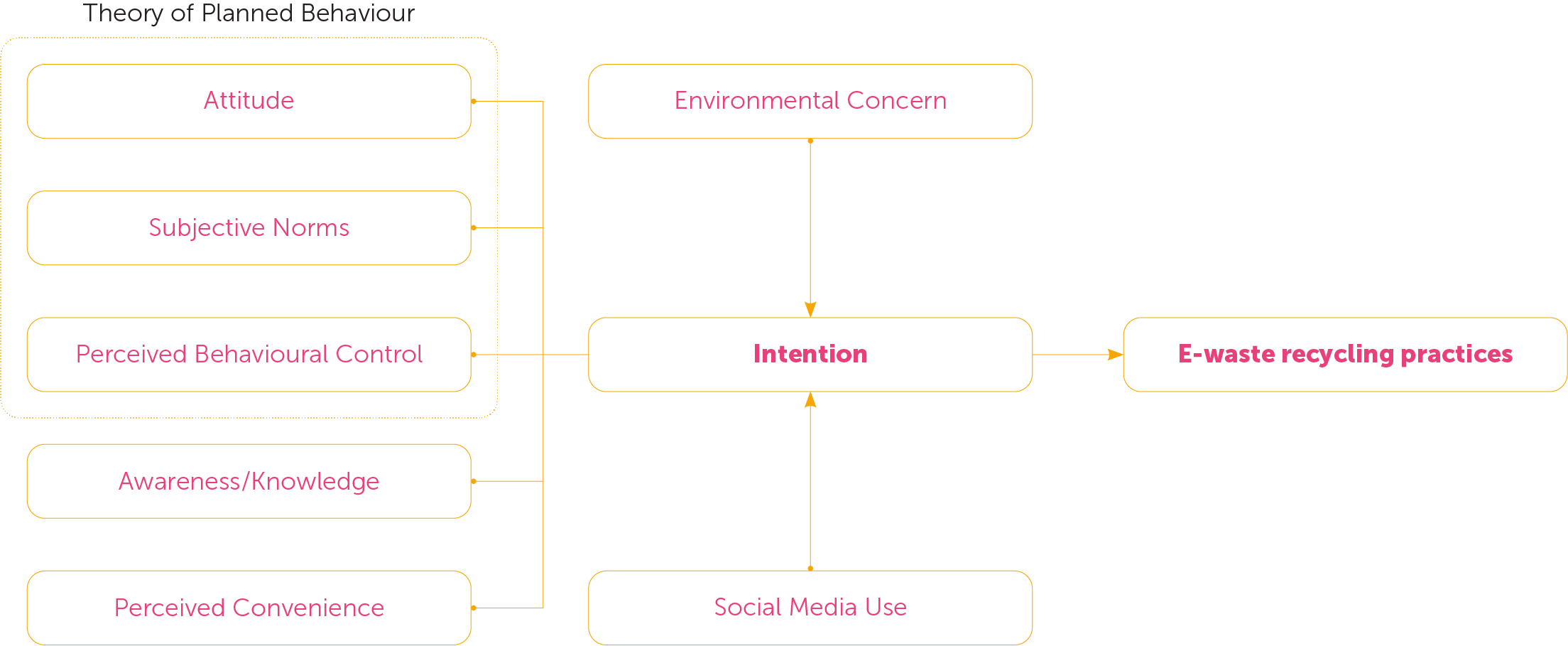
Figure 1: Study framework.
Methodology
The research design comprised two phases: a quantitative phase and a qualitative phase. In the quantitative phase, structured surveys were administered to capture quantitative data on awareness, intention, and participation in mobile e-waste recycling practices. The survey aimed to achieve research objectives 1, 2, and 3. Following the quantitative phase, expert interviews were conducted in the qualitative phase to extract in-depth insights from individuals well-versed in sustainable communication technology and e-waste management, thus contextualising the quantitative findings and achieving research objective 4.
Sampling and Sample Size
The quantitative phase used a convenient quota sampling, with 71 per cent of the total sample representing urban users and 29 per cent representing rural users. The survey was able to achieve a sample size of 552. The size was sufficient to move forward with Structural Equation Modelling (SEM) analysis that requires a minimum sample size of 200 (Kline, 2016) or 400 (Hair et al., 2017). Purposive sampling was utilised in the qualitative phase to select experts in sustainable communication technology and e-waste management. A total of six (6) experts (field experts and policymakers) were interviewed. The sample size was determined by the saturation point, ensuring that a comprehensive range of insights is gathered until no new information emerges.
Data Collection
Data collection for the quantitative phase involved administering a structured survey questionnaire which was designed to capture quantitative data on awareness, factors influencing intention, intention, and participation in mobile e-waste recycling practices. The questionnaire was distributed both online and offline among Malaysian urban and rural users. In the qualitative phase, expert interviews were conducted to gather in-depth insights from individuals with expertise in sustainable communication technology and e-waste management. Interviews were conducted using semi-structured interview guides to ensure consistency and depth of inquiry.
Data Analysis
Descriptive analysis using SPSS and Structural Equation Modelling (SEM) analysis using SmartPLS were employed to interpret and understand the quantitative data collected in the survey. Thematic analysis was carried out in the qualitative phase to analyse expert interview transcripts. The process involved systematic data familiarisation, code generation, and theme identification to derive meaningful patterns and themes from the expert insights, thus enriching the interpretation of the findings and contributing to a holistic understanding of the subject matter.
Findings
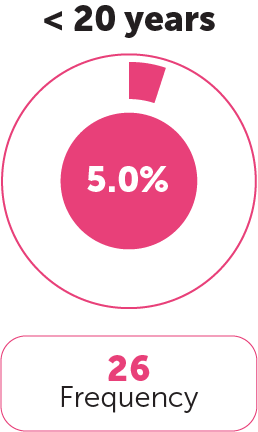
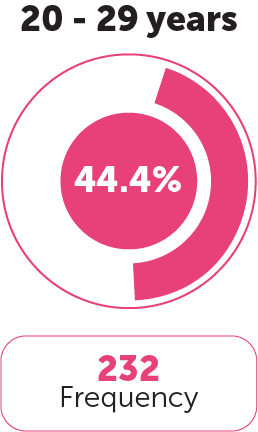
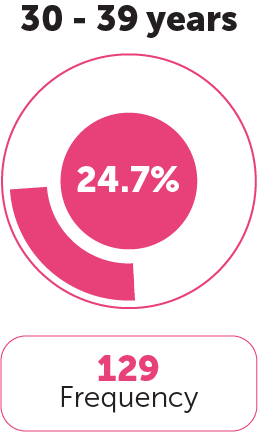
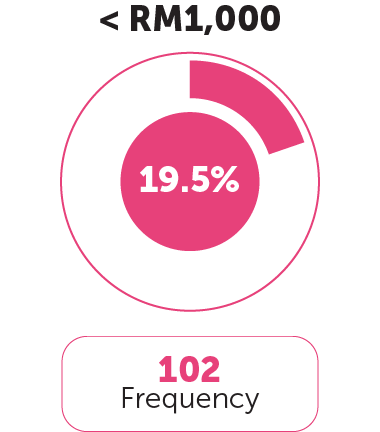
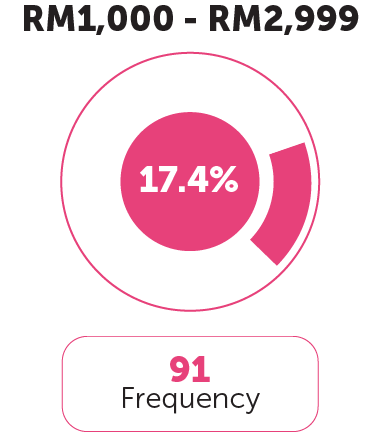
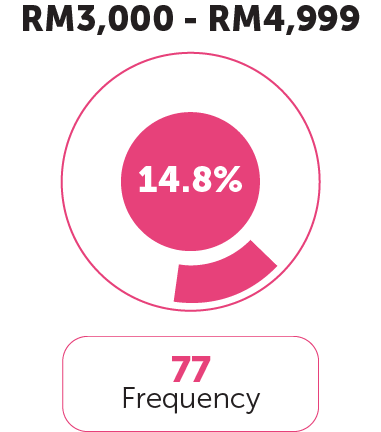
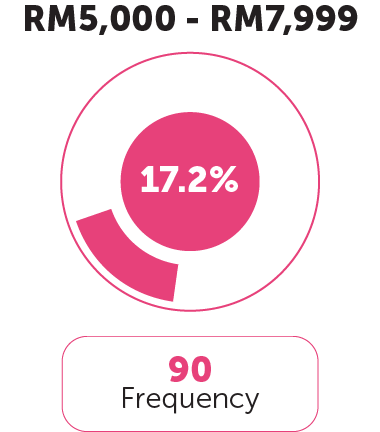
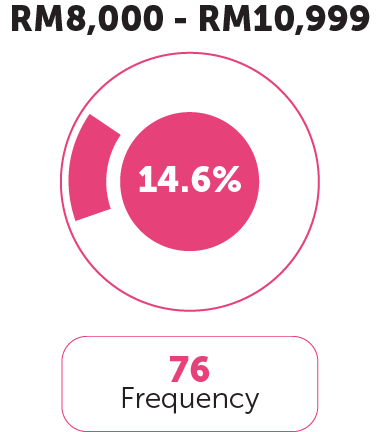
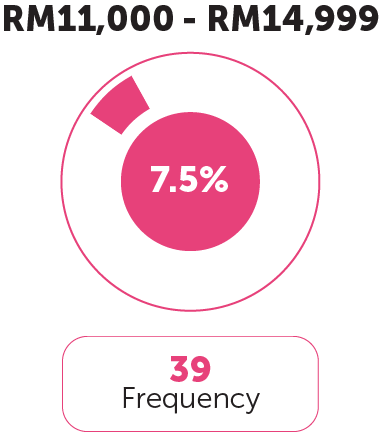
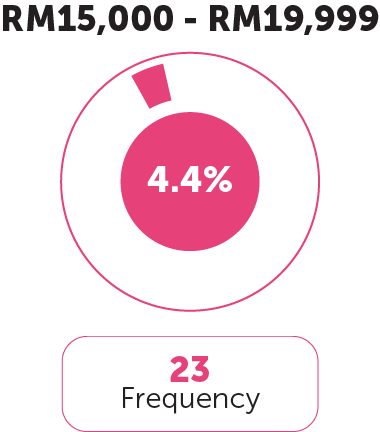
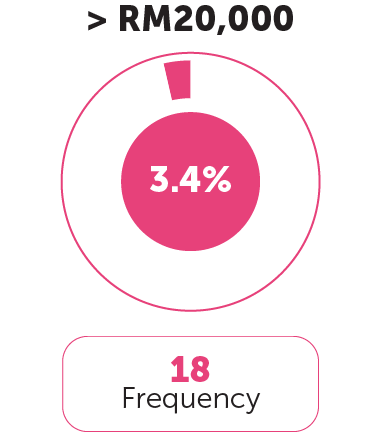
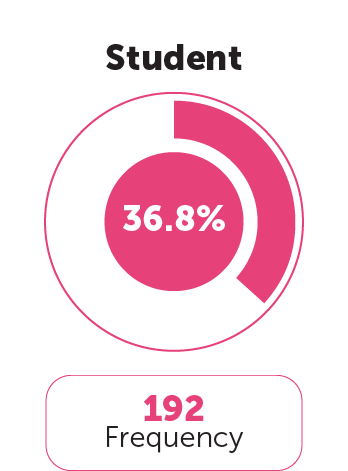
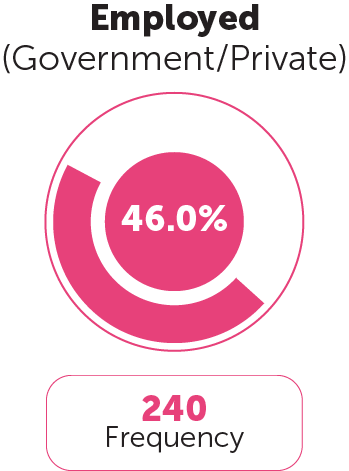
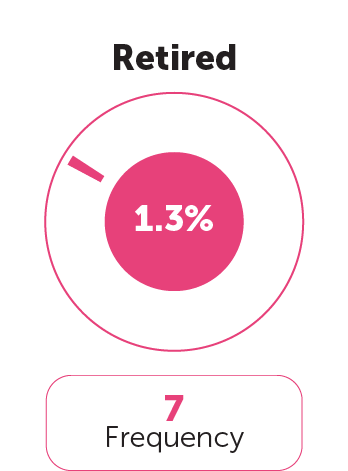
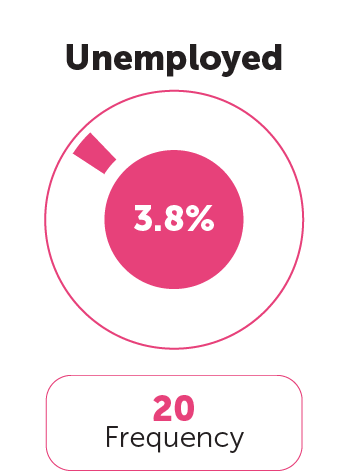
The survey findings on e-waste management among urban and rural Malaysians reveal a diverse demographic profile (Table 1). The majority of respondents fall within the younger age brackets, particularly between 20 to 29 years, suggesting a higher level of engagement among younger demographics in e-waste management initiatives. Females constituted a larger proportion of respondents compared to males. Education levels among respondents were notably high, with over three-quarters having attained a first degree or equivalent qualification, indicating a well-educated sample population. In terms of income, a considerable portion of respondents fell within the lower to middle-income brackets, with a significant percentage reporting income below RM3,000. Additionally, the survey captured a diverse range of occupations, with a substantial proportion being students or employed individuals, reflecting varied socioeconomic backgrounds and lifestyles among respondents. Family size varied widely, with single individuals and small to medium-sized families comprising the majority of respondents. Finally, the location distribution (71.5 per cent Urban and 28.5 per cent Rural) of respondents reflects the latest population census by DOSM. These demographic insights provide valuable context for understanding the attitudes and behaviours of urban and rural Malaysians towards e-waste management.
Age Category
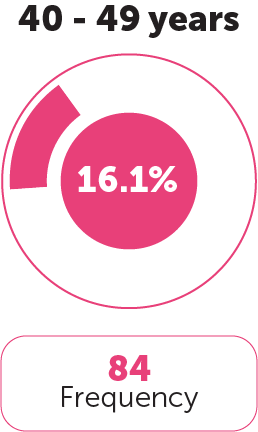
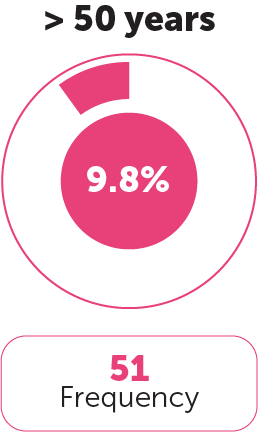
Gender Category
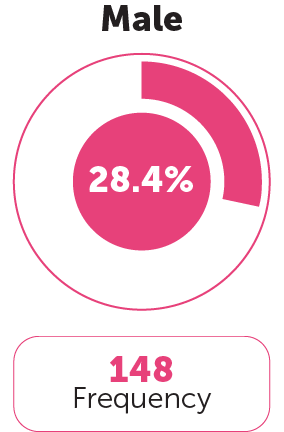
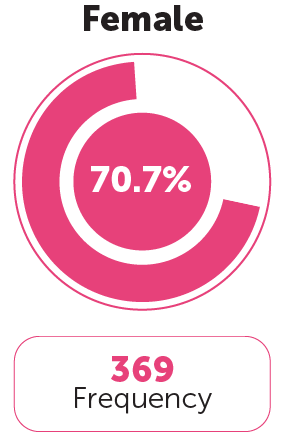
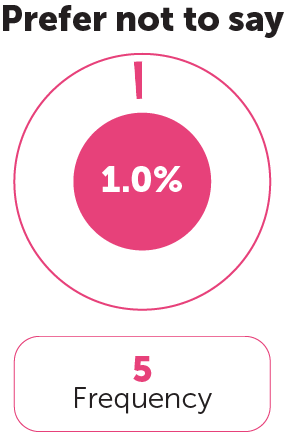
Table 1: Demographic statistics of respondents.
Education Category
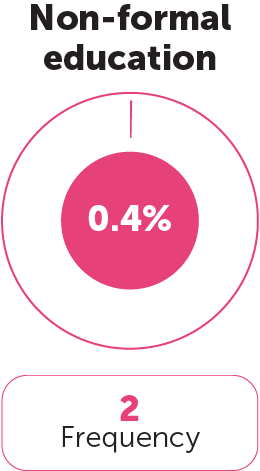
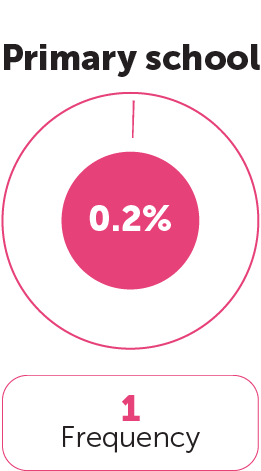
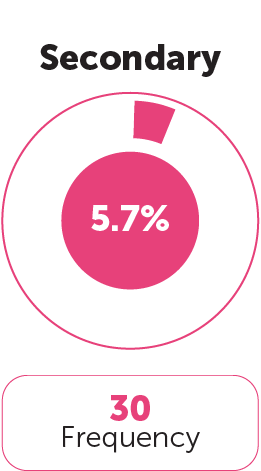
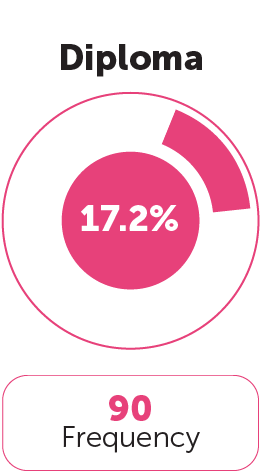
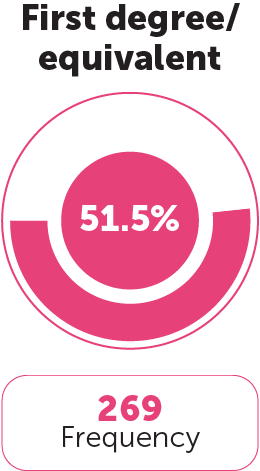
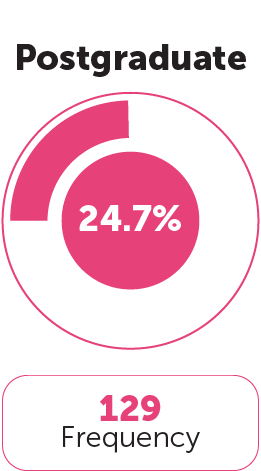
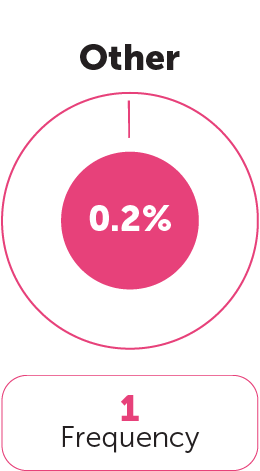
Table 1: Demographic statistics of respondents.
Income Category
Occupation Category
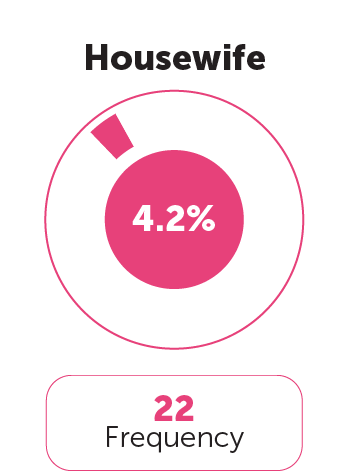
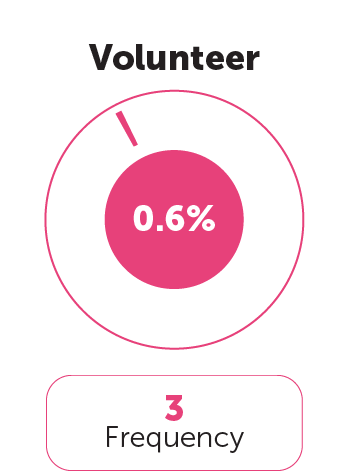
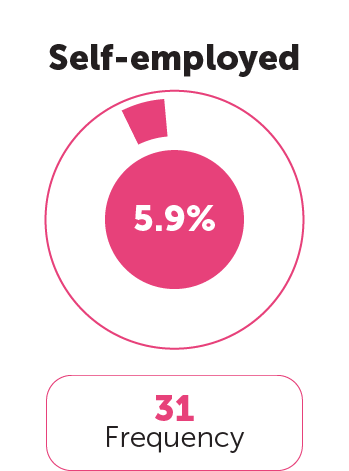
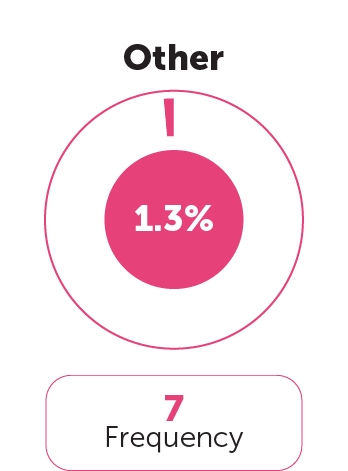
Family Size Category
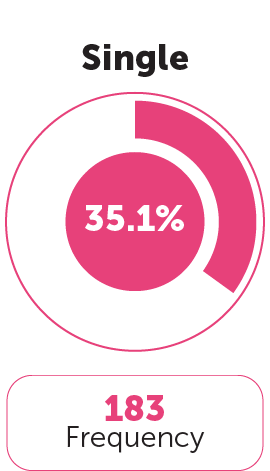
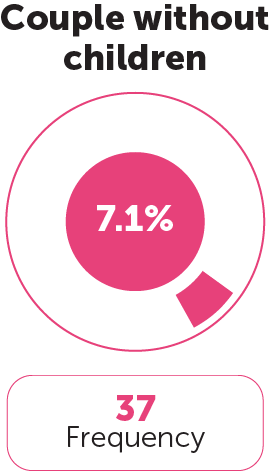
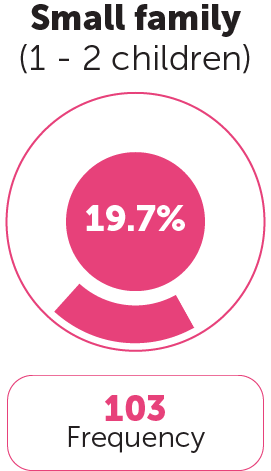
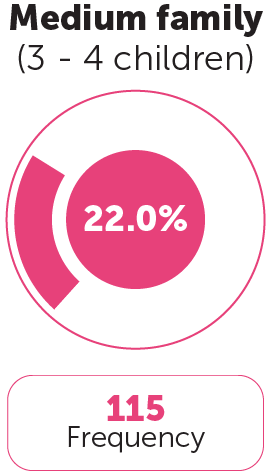
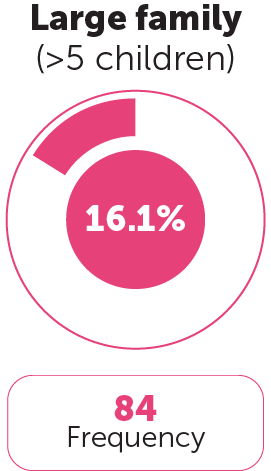
Table 1: Demographic statistics of respondents.
Location Category
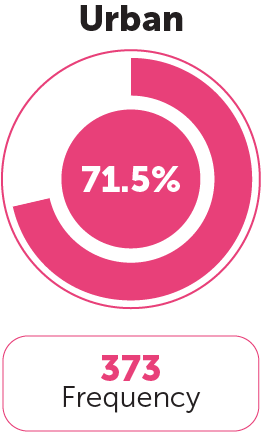
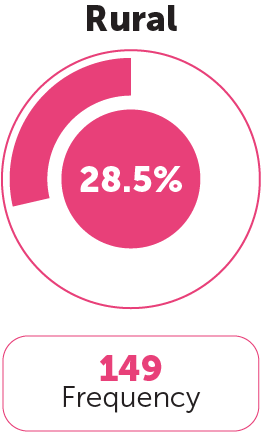
Table 1: Demographic statistics of respondents.
The descriptive findings (Table 2) across the nine aspects of e-waste management behaviours revealed a mixed but generally positive attitude towards e-waste recycling among the surveyed population. While there is a moderate level of engagement in recycling practices, with respondents showing a tendency to store e-waste, participate in recycling, and drop off e-waste at collection centres, there is a slightly lower inclination towards reselling e-waste. Additionally, respondents demonstrate a strong intention and willingness to engage in e-waste recycling activities, highlighting a positive attitude towards this behaviour. Moreover, there is widespread agreement on the importance and benefits of e-waste recycling, indicating a pervasive positive attitude towards environmental sustainability. However, there are moderate levels of influence from social factors and perceived behavioural control, suggesting varying degrees of influence and control over e-waste recycling behaviour among respondents. Furthermore, while there is a moderate level of knowledge and awareness regarding e-waste recycling practices, respondents exhibit a moderate level of environmental concern and social media usage related to e-waste management. Overall, the findings suggest a moderate level of engagement, awareness, and convenience in e-waste management practices among the surveyed population, signalling opportunities for further promotion and improvement in sustainable behaviours.
| No. | Items | Mean | Std. Deviation |
|---|---|---|---|
| 1 | Behaviour (Recycling practices) | 3.124 | 0.934 |
| 2 | Intention to e-waste recycle | 3.921 | 0.886 |
| 3 | Attitude | 4.559 | 0.632 |
| 4 | Subjective Norms | 3.676 | 0.847 |
| 5 | Perceived Behavioural Control | 3.617 | 0.881 |
| 6 | Knowledge/Awareness | 3.070 | 1.143 |
| 7 | Environmental Concerns | 2.963 | 0.971 |
| 8 | Social Media Usage | 2.731 | 1.185 |
| 9 | Perceived convenience | 3.247 | 0.966 |
Table 2: Descriptive statistics (overall).
Awareness and Knowledge of Mobile E-Waste Recycling Among the Users
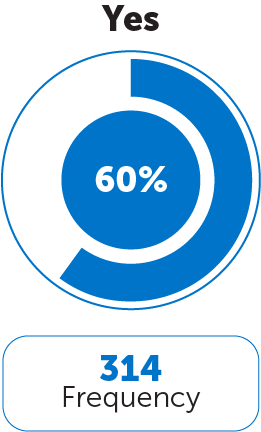
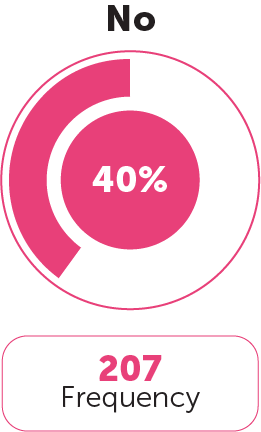
The findings on awareness of e-waste recycling programmes in Malaysia indicate moderate familiarity among respondents (Figure 2). Regarding the KITAR recycling programme, 60.2 per cent of respondents reported encountering advertisements or promotional materials, while 39.7 per cent indicated they had not. In addition, 40.4 per cent of respondents were aware of other e-waste recycling programmes besides KITAR, while 59.6 per cent reported no awareness of such programmes in their area. Overall, the results suggest a significant level of awareness of the KITAR programme but relatively lower awareness of other e-waste recycling initiatives among the surveyed population.
KITAR advertisement and promotional materials
Other e-waste recycling programmes
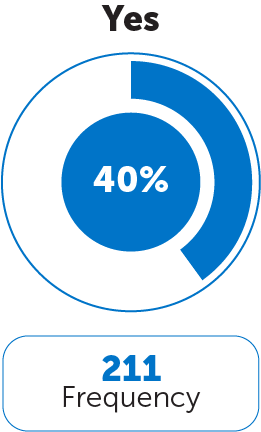
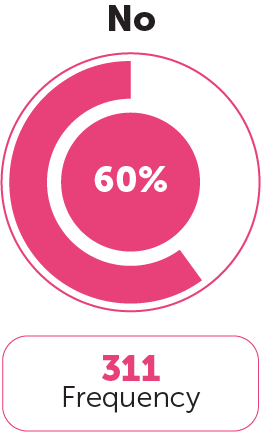
Figure 2: Awareness of e-waste recycling programme (n=552).
An independent sample t-test was run to see if there were any significant differences in the mean awareness/knowledge level between the two groups of people, Urban and Rural. The findings are presented in Table 3. The Levene's Test result shows an equal variance. The t-test further supports the finding that there is no significant difference in awareness level between the two groups.
| Levene's Test for Equality of Variances | t-test for Equality of Means | |||||||||||
|---|---|---|---|---|---|---|---|---|---|---|---|---|
| 95% Confidence Interval of the Difference |
||||||||||||
| Mean | SD | F | Sig. | t | df | Sig. (2 tailed) | Mean Difference | Std. Error Difference | Lower | Upper | ||
| Awareness | Urban | 3.03 | 1.13 | 0.010 | 0.919 | -1.27 | 520 | 0.203 | -0.14098 | 0.11066 | -0.358 | 0.07642 |
| Rural | 3.17 | 1.16 | Rural | Rural | -1.26 | 266.37 | 0.209 | -0.14098 | 0.11189 | -0.361 | 0.07932 | |
Table 3: Independent sample t-test.
Factors That Influence Intentions of Mobile E-Waste Recycling Practices
At this stage, firstly, a test was run to check the reliability and validity of the data. To identify the significant factors, SEM analysis was carried out using the SmartPLS 3.0 version of the software. The findings are as follows:
Reliability and validity:
The findings of the reliability and validity analysis (Table 4) indicate high levels of internal consistency and construct reliability across all measured variables. Cronbach's Alpha coefficients range from 0.780 to 0.950, surpassing the generally accepted threshold of 0.7 (Kline, 2016; Hair et al., 2017), indicating strong reliability. Composite reliability values, ranging from 0.743 to 0.949, further support the consistency of the measured constructs. Additionally, average variance extracted (AVE) values, ranging from 0.477 to 0.810, exceed the recommended threshold of 0.5 (Hair et al., 2017), demonstrating satisfactory convergent validity.
| Variables | Items | Cronbach's Alpha | Composite Reliability | Average Variance Extracted (AVE) |
|---|---|---|---|---|
| Attitude (At) | 5 | 0.950 | 0.949 | 0.789 |
| Subjective Norms (SN) | 5 | 0.856 | 0.854 | 0.543 |
| Perceived Behavioural Control (PBC) | 4 | 0.813 | 0.816 | 0.531 |
| Environmental Concern (EC) | 4 | 0.780 | 0.768 | 0.477 |
| Knowledge (Knw) | 4 | 0.924 | 0.923 | 0.751 |
| Perceived Convenience (PC) | 4 | 0.845 | 0.743 | 0.490 |
| Social Media Use (SMU) | 3 | 0.927 | 0.927 | 0.810 |
| Intention (In) | 4 | 0.934 | 0.934 | 0.781 |
| Recycling Practices | 4 | 0.798 | 0.805 | 0.590 |
Table 4: Reliability and validity statistics.
Outer loadings
The constructs utilised in the model are justified based on the robust outer loadings observed in the SEM analysis, which reflect the strength of the relationships between the measured indicators and their respective latent constructs. All indicators exhibit substantial outer loadings, ranging from 0.578 to 0.944, surpassing the recommended threshold of 0.5 (Hair et al., 2017), indicating strong associations with their underlying constructs (Figure 3). These findings support the suitability of the chosen constructs for capturing the underlying dimensions of e-waste management behaviour, ensuring the robustness of the structural model for analysing and interpreting the relationships between these constructs.
Path analysis
Path analysis results show a specific relationship between two constructs in the structural equation model (SEM), indicating the strength and significance of the path coefficient. The analysis output is presented in Table 5. The findings are explained as follows:
Attitude and Intention:
This path coefficient indicates a strong and significant positive relationship (T = 6.947, p = 0.000) between attitude towards e-waste recycling and intention to recycle e-waste. A higher level of a favourable attitude is associated with a stronger intention to engage in e-waste recycling practices.
Environmental Concern and Intention:
This path coefficient indicates a moderate and significant positive relationship (T = 2.217, p = 0.027) between environmental concern and intention to recycle e-waste. Individuals with higher levels of environmental concern are more likely to express intention to participate in e-waste recycling activities.
Knowledge and Intention:
This path coefficient indicates a weak and non-significant relationship (T = 1.397, p = 0.162) between knowledge about e-waste recycling and intention to recycle e-waste. The level of knowledge does not significantly influence individuals' intentions to engage in e-waste recycling.
Perceived Behavioural Control (PBC) and Intention:
This path coefficient indicates a moderate and significant positive relationship (T = 2.861, p = 0.004) between perceived behavioural control (PBC) and intention to recycle e-waste. Higher perceived control over e-waste recycling behaviours is associated with stronger intentions to participate in such activities.
Perceived Convenience and Intention:
This path coefficient indicates a weak and marginally significant relationship (T = 1.842, p = 0.066) between perceived convenience and intention to recycle e-waste. While there is a tendency for perceived convenience to influence intention, the relationship is not statistically robust.
Social Media Use and Intention:
This path coefficient indicates a weak and non-significant relationship (T = 0.649, p = 0.516) between social media use and intention to recycle e-waste. Social media usage does not significantly influence individuals' intentions to engage in e-waste recycling practices.
Subjective Norms and Intention:
There is a significant positive relationship (T = 5.857, p = 0.000) between subjective norms and intention to participate in mobile e-waste recycling initiatives among Malaysian users. The findings imply that subjective norms, such as perceived social pressure or influence, play a significant role in shaping individuals' intentions regarding e-waste recycling. This finding underscores the importance of social factors in driving behavioural intentions related to e-waste management.
Intention and Recycling Practices:
This path coefficient indicates a strong and significant positive relationship (T = 14.810, p = 0.000) between the intention to recycle e-waste and actual recycling practices. A stronger intention to recycle e-waste is associated with a higher likelihood of engaging in recycling practices.
| Sample Mean (M) | Standard Deviation (STDEV) | T-Statistics | P-Values | |
|---|---|---|---|---|
| Attitude --> Intention | 0.274 | 0.039 | 6.947 | 0.000 |
| Environmental Concern --> Intention | 0.119 | 0.052 | 2.217 | 0.027 |
| Intention --> Recycling Practices | 0.519 | 0.035 | 14.810 | 0.000 |
| Knowledge --> Intention | 0.071 | 0.052 | 1.397 | 0.162 |
| PBC --> Intention | 0.144 | 0.051 | 2.861 | 0.004 |
| Perceived convenience --> Intention | -0.073 | 0.037 | 1.842 | 0.066 |
| Social Media Use --> Intention | -0.033 | 0.051 | 0.649 | 0.516 |
| Subjective Norms --> Intention | 0.301 | 0.051 | 5.857 | 0.000 |
Table 5: Path co-efficient statistics.
Model fit analysis:
The structural model of the study is illustrated in Figure 3 which shows the outer loadings, path-coefficient, and R-square values. The model fit statistics, as presented in Table 6, indicate a moderate to strong fit for the structural equation model. The R-squared value for intention is 0.440, suggesting that 44 per cent of the variance in intention to participate in mobile e-waste recycling initiatives is explained by the model. For recycling practices, the R-squared value is 0.268, indicating that 26.8 per cent of the variance in actual recycling behaviours is accounted for by the model. Additionally, the Standardised Root Mean Square Residual (SRMR) for the model is 0.098, which falls within an acceptable range, indicating a good fit between the observed and predicted covariance matrices. Overall, these fit statistics suggest that the model adequately represents the relationships between the variables, providing valuable insights into the factors influencing intentions and behaviours related to mobile e-waste recycling.
| T-Statistics | R Square | SRMR |
|---|---|---|
| Intention | 0.440 | 0.098 |
| Recycling Practices | 0.268 |
Table 6: Model fit statistics.
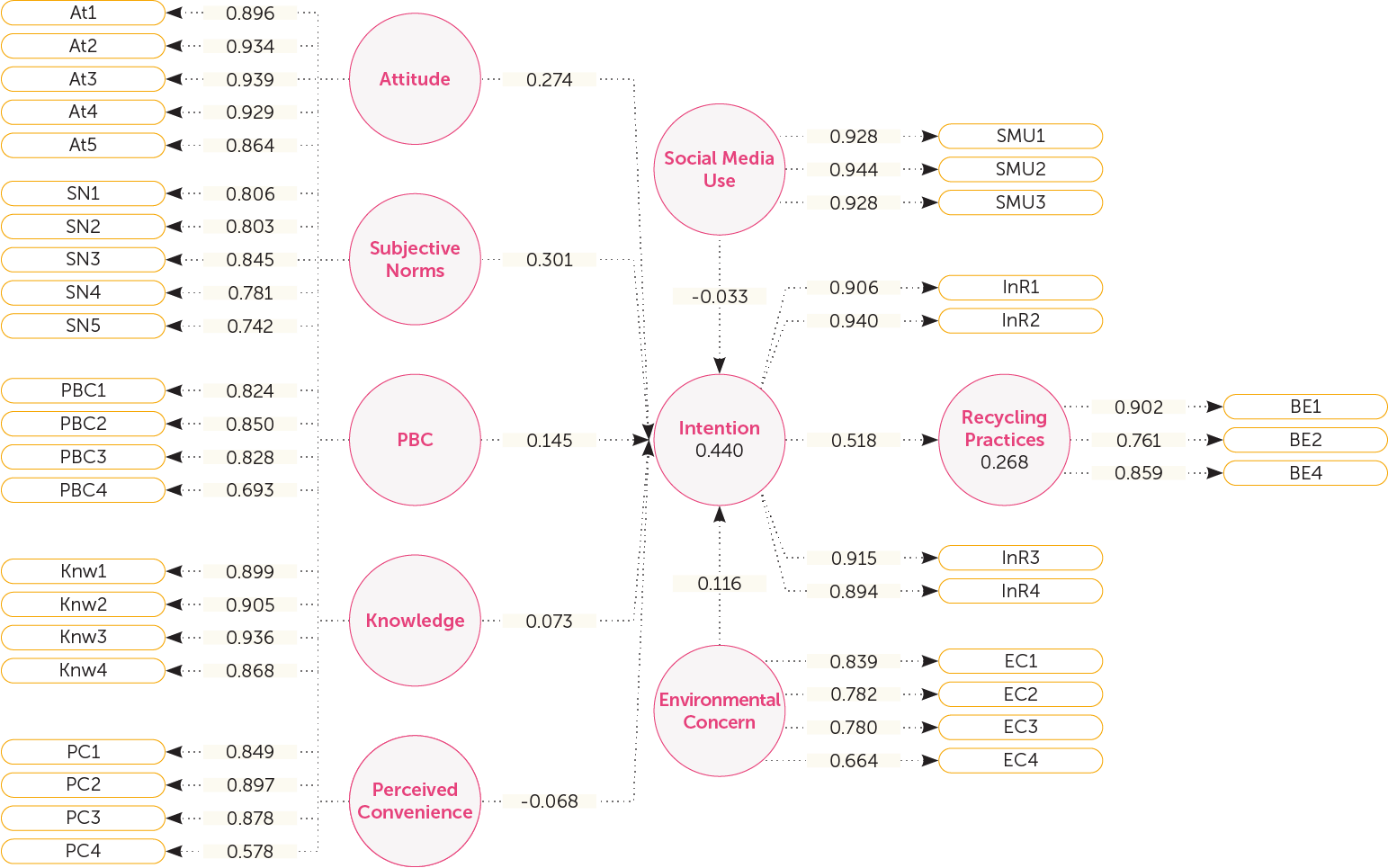
Figure 3: Structural model showing outer loadings, path co-efficient, and R2 statistics.
SOURCE OF INFORMATION AND METHODS OF E-WASTE RECYCLING
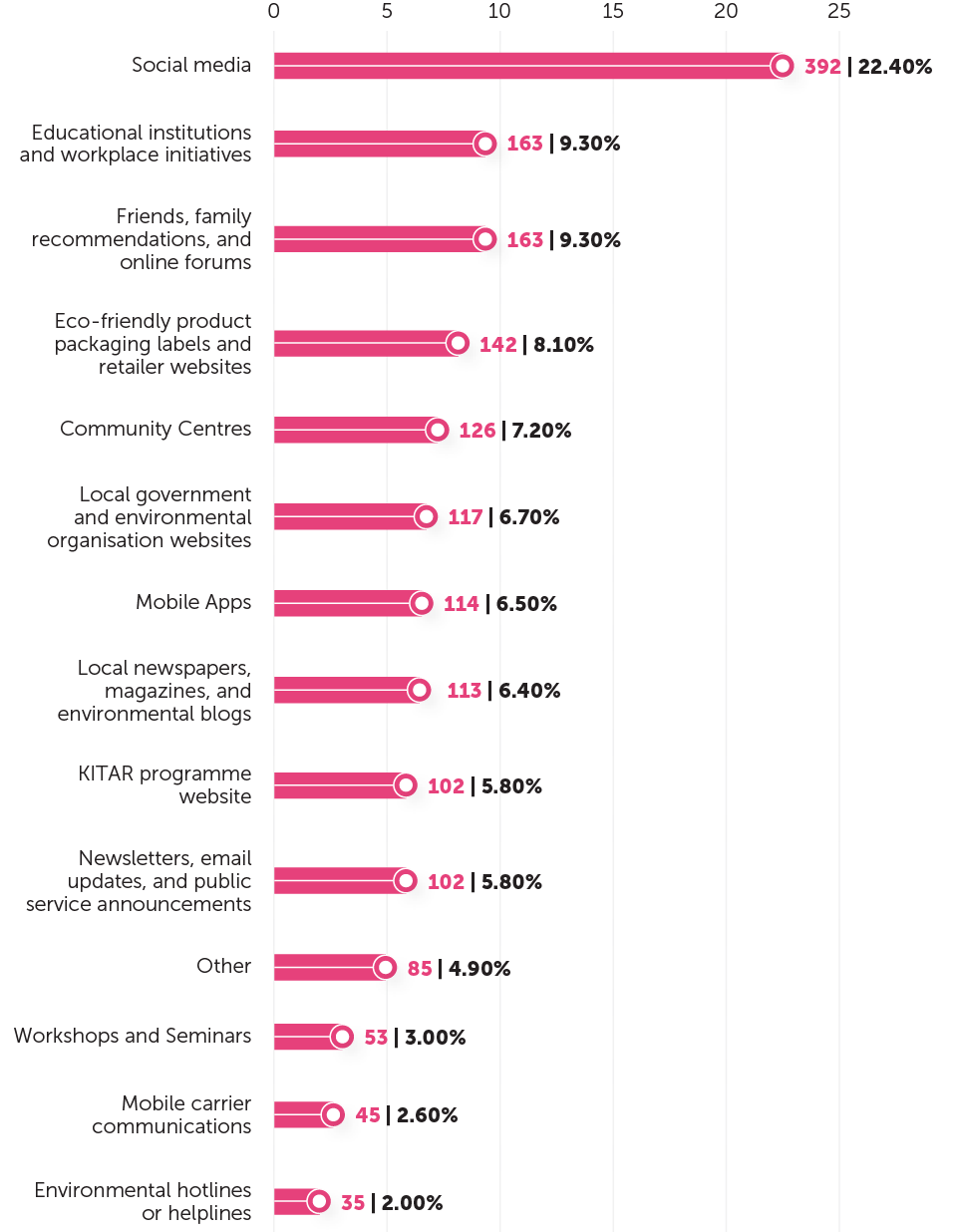
Respondents were asked about the source or platforms from where they find information about mobile e-waste recycling. Simultaneously, an investigation was conducted to know about their current practice or methods of recycling mobile e-waste. The findings, as presented in Figure 4, suggest that respondents primarily rely on social media (22.4 per cent), educational institutions, and workplace initiatives (9.3 per cent) for information about mobile e-waste recycling. Other notable sources include eco-friendly product packaging labels and retailer websites (8.1 per cent), community centres (7.2 per cent), and local government and environmental organisation websites (6.7 per cent). These insights indicate a diverse range of platforms through which individuals seek information, highlighting the importance of multi-channel communication strategies in promoting e-waste recycling awareness and participation.
The most common method of recycling mobile e-waste among respondents is storing until collection events (22.0 per cent), followed by utilising dedicated e-waste recycling bins (19.8 per cent) and using drop-off points (14.8 per cent). Other notable methods include donating old devices to refurbishment programmes (10.6 per cent) and utilising manufacturer or retailer take-back programmes/mobile carrier trade-in programmes (10.6 per cent). These insights highlight a variety of approaches to e-waste recycling, emphasising the importance of providing diverse and accessible recycling options to accommodate the preferences and needs of different individuals.
Source
Method
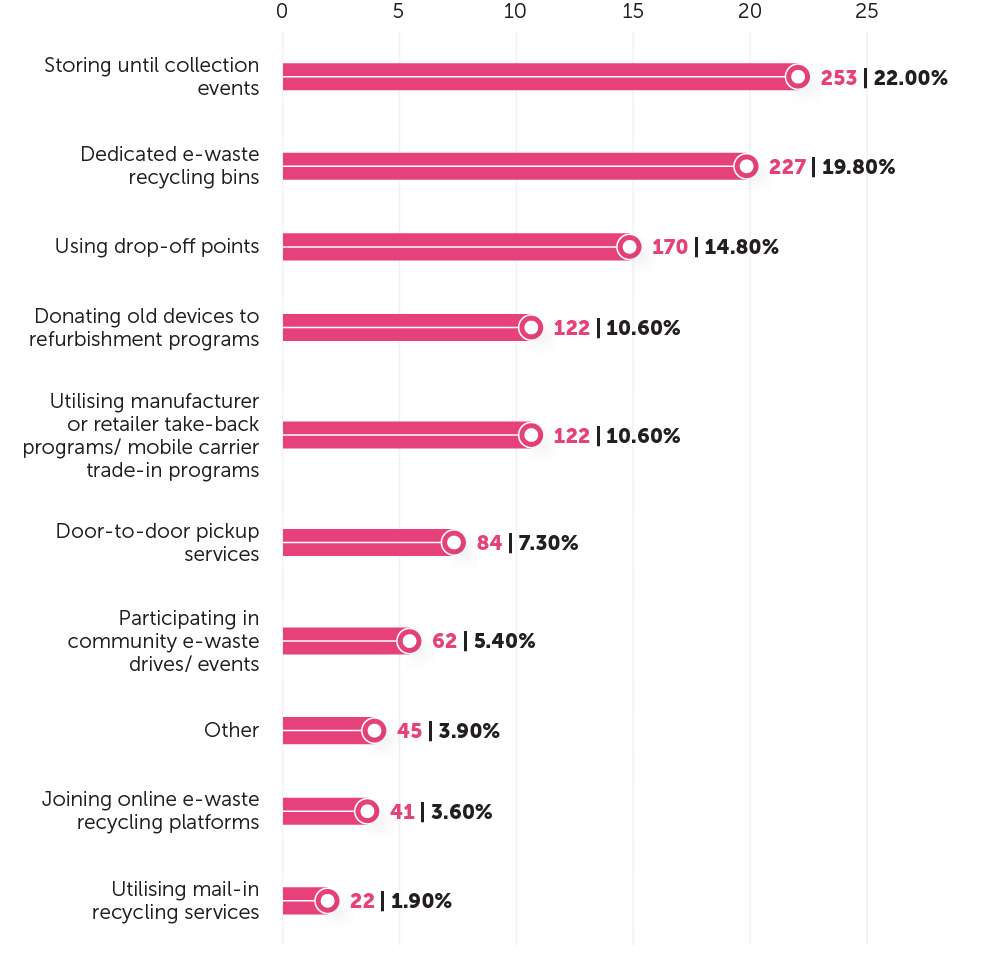
Figure 4: Source of information and method of e-waste recycling.
ANALYSIS OF EXPERTS' INTERVIEWS
The analysis of the interview transcripts involved data familiarisation, code generation, and theme identification to derive meaningful patterns and themes from the expert insights. Based on the identified key terms and phrases, we have generated a total of eight themes that are presented in Table 7. The generated eight themes enriched the interpretation of the findings contributing to a holistic understanding of the subject matter. The insights from the interviews are discussed in the following section.
| No. | Theme | Associated key terms/phrases |
|---|---|---|
| 1. | E-Waste Recycling and Management | Lifecycle assessment; Material analysis; Technologies; Recycling processes; Hazardous waste; E-waste management; Recycling; E-waste and recycling centre; Collection of e-waste; Recycling centre; Sustainable recycling; Recycling rates; Recovery; Dismantling; Precious metals; Household e-waste; Convenience; collection points; Streamlining recycling process; Inclusive recycling ecosystem; Responsible recycling behaviours; Recycling facilities; Inclusive recycling initiatives. |
| 2. | Policy and Regulation | KITAR programme; Extended policy responsibilities; Waste management laws and regulations; Enforcement mechanism; Government incentives; Circular economy; Policy; Proposal; Government policy; Legislation; Extended Producer Responsibility (EPR); Circular economy; Subsidiary regulations; Licensing; Compliance; Policy development; Policy optimisation. |
| 3. | Awareness and Education | Public awareness campaigns; Lack of awareness; Education initiatives; Social education; Community engagement; User-generated content (UGC); Awareness campaigns; Digital media outreach; Education initiatives; Public awareness campaigns; Research base; Seminars on policies and legislation; Inclusive recycling initiatives; Access to recycling facilities; Collection initiatives; Enforcement. |
| 4. | Partnerships and Collaboration | Collaboration with Government and Industry; Strategic partnerships; University-Industry collaboration; NGO involvement; Stakeholder engagement; Multi-layered partnerships; University collaborations; Community engagement; Involving retailers/manufacturers; Stakeholder engagement; NGOs. |
| 5. | Digital Media and Outreach | Social media platforms; Engagement strategies; Influencer partnerships; Media outreach; Google advertising; Social media promotion; Digital media outreach; Portal; Website for information access. |
| 6. | Financial and Economic Considerations | Incentivising recycling; Financial burden; Profitability threshold; Corporate sustainability; Social economy; Financial incentives; Rewards for recycling; Sustainable future. |
| 7. | Cultural and Behavioural Aspects | Consumer behaviour; Cultural considerations; Changing behaviour; Hari Raya festive mood; Behavioural change; Responsible recycling behaviours. |
| 8. | Research and Innovation | E-waste recycling research; Research institutions; Research funding; Sustainable building materials; Innovation in recycling technologies; Thesis; Research base; Research and innovation; Sustainable recycling technologies; Environmental and health impacts; Behavioural change; Pollution control. |
Table 7: The eight themes generated from experts' interviews.
Discussion
Quantitative results from the study reveal possibilities and challenges to sustainable practices related to e-waste management among rural and urban Malaysians. Time constraints, limited Internet connection, and logistical hurdles in rural regions made it difficult to achieve a balance between urban and rural replies, even though the poll had a substantial sample size. However, the demographic profile shows that the majority of respondents involved in managing e-waste are younger, more educated, and from a variety of economic backgrounds. Respondents are generally supportive of recycling e-waste, but complex methods are required to address the wide range of social influence and perceived control. While there is a noticeable gap in knowledge between those living in urban areas and those in rural areas, the mean levels of awareness/knowledge are not significantly different. To increase participation in mobile e-waste recycling programmes in Malaysia and raise knowledge about the programmes, it is recommended to use digital platforms and extend recycling alternatives.
Based on the path coefficient results, several factors influence the intentions of Malaysian urban and rural users to participate in mobile e-waste recycling initiatives. Attitude towards e-waste recycling, environmental concern, perceived behavioural control, and subjective norms exhibit significant positive relationships with intention, indicating that individuals with favourable attitudes, higher environmental concerns, perceived social pressure or influence, and perceived control over their recycling behaviours are more likely to intend to participate in such initiatives. These findings underscore the importance of promoting positive attitudes, raising awareness about environmental issues, and providing individuals with the necessary resources and support to facilitate their engagement in mobile e-waste recycling activities, ultimately fostering greater participation among urban and rural populations in Malaysia.
Additional insights were gained from experts' interviews, which revealed that a multidisciplinary approach is needed to explore the methodologies, platforms, and practices of urban and rural users in Malaysia regarding mobile e-waste recycling, especially via initiatives like KITAR. First and foremost, recycling initiatives need robust legislation and regulation to back them up and provide incentives, such as increased producer accountability and enforcement measures. To effectively reach out, particularly in rural regions where awareness can be lower according to experts, it is essential for research institutions, NGOs, businesses, and the government to work together. A larger audience may be reached, and consumers can be engaged in e-waste recycling programmes via the use of digital media and outreach tactics, including influencer collaborations and social media platforms. Experts argue that recognising cultural and behavioural variations between rural and urban populations as crucial. The use of residual waste for sustainable construction materials is one example of how research and innovation are driving the development of sustainable recycling technologies and practices adapted to the Malaysian setting. Insights like this may help stakeholders build a more equitable and sustainable recycling ecosystem by illuminating the possibilities and threats of mobile e-waste recycling in urban and rural areas. In addition, from the interview with the Department of Environment (DOE), it was realised that different types of recovery facilities and different types of e-waste have different effects on e-waste recovery percentages. This realisation emphasises the intricacy of e-waste recovery procedures and the need for trustworthy data sources for precise rate assessments.
The highlighted themes indicate key strategies for increasing recycling knowledge and involvement in Malaysia, specifically for mobile electronic waste. Firstly, it is essential to initiate a deliberate endeavour to enlighten the general public and foster a dialogue on the recycling of electronic waste, with the aim of enhancing comprehension and addressing cultural concerns. Collaboration between universities, NGOs, and research institutes may be established to develop educational initiatives that advocate for responsible recycling and highlight the adverse effects of inappropriate disposal on the environment and human health. In metropolitan locations, especially where financial incentives may influence consumer behaviour, implementing reward programmes and forming partnerships with merchants or manufacturers can enhance recycling participation. Programmes like KITAR may reduce barriers to involvement in recycling by automating the process and providing collection stations in easily accessible areas. The Department of Environment (DOE) highlighted that people from rural locations may have less knowledge compared to those in metropolitan areas, mostly owing to demographic and lifestyle differences, which result in less frequent technological updates and disposal. In order to achieve success in raising awareness and encouraging involvement in e-waste recycling at a national scale, it is essential to tailor campaigns and policies to the unique characteristics and needs of different populations and regions.
Recommendations
Based on the insights gained from both quantitative results and expert interviews, several recommendations can be proposed to improve awareness and participation in mobile e-waste recycling among Malaysian users. Firstly, focus on the significant factors such as attitude, environmental concern, PBC, and subjective norms. A positive attitude can be enhanced through educational campaigns and community events. Secondly, address but deprioritise non-significant factors such as knowledge, perceived convenience, and social media use. While knowledge is not a significant driver of intention, continuing to provide targeted education and learning opportunities to ensure knowledge is not a barrier. Additionally, it is recommended to consider enhancing convenience and introducing incentive programmes as supplementary strategies.
Other recommendations include ensuring robust legislation and regulations supporting recycling initiatives, coupled with incentives such as increased producer accountability and enforcement measures. Simultaneously, collaborative efforts should be enhanced involving research institutions, NGOs, businesses, social influencers, and government agencies, which are crucial, particularly for reaching rural areas where awareness may be lower.
Conclusion
The findings of the current research illuminate the intricacies and constraints of e-waste management in Malaysia, especially mobile e-waste recycling among urban and rural users. Despite facing numerous challenges, the survey found a wide demographic profile of e-waste managers, with a focus on younger, educated groups. While attitudes toward e-waste recycling are typically positive, attitudes, environmental concern, perceived control, and subjective norms significantly influence intentions. Besides prioritising these significant factors, it is recommended to focus on public education through community events, school programmes, and social media campaigns. Tailoring campaigns and policies to suit diverse demographics and locations, combined with digital media and outreach strategies, can help raise awareness and promote responsible e-waste management. Additionally, it is suggested to expand recycling infrastructure and offer incentives to make the e-waste recycling process easier and more rewarding. E-waste recycling awareness and involvement need legislation, regulation, and multi-stakeholder collaborations. Malaysia can create a more sustainable and equitable e-waste recycling ecosystem for the environment and society by tackling these problems and harnessing participation possibilities.
Future projects may consider longitudinal research to monitor the evolution of mobile e-waste recycling knowledge, attitudes, and practices among both urban and rural residents of Malaysia. Such studies would allow the long-term effects of programmes and interventions that promote sustainable e-waste management practices to be assessed using this information. Additionally, research on e-waste management in different countries may help pinpoint possibilities, problems, and best practices for increasing recycling rates and bolstering sustainability initiatives worldwide.
This study is significant in addressing the urgent challenges of e-waste in Malaysia, by informing targeted interventions and policies for sustainable e-waste management and contributing to environmental sustainability. Additionally, by promoting responsible e-waste practices, this research can enhance Malaysia's reputation and attract foreign investment, supporting long-term economic growth.
References
Abd-Mutalib, H., Jamil, C. Z. M., Mohamed, R., Shafai, N., & Nor-Ahmad, S. N. H. J. N. (2021).
Firm and board characteristics, and e-waste disclosure: a study in the era of digitalisation. Sustainability, 13(18), 10417. https://doi.org/10.3390/su131810417
Agamuthu, P. and Barasarathi, J. (2020).
Clinical waste management under covid-19 scenario in malaysia. Waste Management &Amp; Research: The Journal for a Sustainable Circular Economy, 39(1_suppl), 18-26. https://doi.org/10.1177/0734242x20959701.
Bag, S., Dhamija, P., Pretorius, J., Chowdhury, A., & Giannakis, M. (2021).
Sustainable electronic human resource management systems and firm performance: an empirical study. International Journal of Manpower, 43(1), 32-51. https://doi.org/10.1108/ijm-02-2021-0099.
Bizzarri, F., Giuliani, A., and Mocenni, C. (2022).
Awareness: An empirical model. Frontiers in Psychology 13. Frontiers Media S.A.: 933183. DOI: 10.3389/FPSYG.2022.933183/BIBTEX.
Changwichan, K., Silalertruksa, T., & Gheewala, S. (2018).
Eco-efficiency assessment of bioplastics production systems and end-of-life options. Sustainability, 10(4), 952. https://doi.org/10.3390/su10040952.
Department of Statistics Malaysia (DOSM). (2020).
KEY FINDINGS OF POPULATION AND HOUSING CENSUS OF MALAYSIA 2020 URBAN AND RURAL.
Available at: https://v1.dosm.gov.my/v1/index.php?r=column/ctheme&menu_id=L0pheU43NWJwRWVSZklWdzQ4 TlhUUT09&bul_id=cS9xZWVX U0xTbnFHWnNXNWFMTlgrQT09
Department of Statistics Malaysia (DOSM). (2020).
The Relationship between Decision-making Capacity and the Domains of Awareness in Alzheimer Disease. Alzheimer Disease and Associated Disorders 36(1). Lippincott Williams and Wilkins: 58–63. DOI: 10.1097/WAD.0000000000000484.
Hair J, Hollingsworth CL, Randolph AB, et al. (2017).
An updated and expanded assessment of PLS-SEM in information systems research. Industrial Management and Data Systems 117(3). Emerald Group Publishing Ltd.: 442–458. DOI: 10.1108/IMDS-04-2016-0130/FULL/PDF.
Jain, M., Kumar, D., Chaudhary, J., Kumar, S., Sharma, S., & Verma, A. S. (2023).
Review on E-waste management and its impact on the environment and society. Waste Management Bulletin. https://doi.org/10.1016/j.wmb.2023.06.004
Kalambe, S. R., Kale, B. N., Jain, S., & Mishra, A. S. (2023).
Impact of E-Waste on the Environment. In A. Rawani, M. Sahu, S. Chakarabarti, & A. Singh (Eds.), Sustainable Approaches and Strategies for E-Waste Management and Utilization (pp. 74-89). IGI Global. https://doi.org/10.4018/978-1-6684-7573-7.ch005.
Kumar, G., and Nayak, J.K. (2023).
A Meta-Analysis of TPB Model in Predicting Green Energy Behaviour: The Moderating Role of Cross-Cultural Factors. Journal of International Consumer Marketing 35(2). Routledge: 147–165. DOI: 10.1080/08961530.2022.2070900.
Kline, R. B. (2016).
Principles and Practice of Structural Equation Modeling (4th ed.).
Liu, J., Zhang, G., and Wang, J. (2019).
User's scientific data retrieval behaviour study based on the model of TPB. In: ACM International Conference Proceeding Series, 22 October 2019. Association for Computing Machinery. DOI: 10.1145/3331453.3360951.
Mahat, H., Hashim, M., Nayan, N., Saleh, Y., & Norkhaidi, S. B. (2019).
E-waste disposal awareness among the Malaysian community. Knowledge Management and E-Learning, 11(3), 393–408. doi:10.34105/j.kmel.2019.11.021.
Mahmoud, Z. A., Nordin, N. A., Dali, M. M., SH, Y. A., Rawashdeh, T. M., & Mahmoud, S. A. (2022).
Redefining Urban-Rural Boundaries from The Digital Disparity Perspective. Planning Malaysia, 20(5), pp 438-451. DOI: https://doi.org/10.21837/pm.v20i24.1218.
Mendelson, M.J., Azabou, M., and Jacob, S. (2023).
Learning signatures of decision making from many individuals playing the same game. In: International IEEE/EMBS Conference on Neural Engineering, NER, 2023, pp. 1–5. IEEE. DOI: 10.1109/NER52421.2023.10123846.
MCMC Handphone Users Survey (2010).
Retrieved from https://www.skmm.gov.my/skmmgovmy/files/ attachments/HPUS%202010.pdf.
MCMC Handphone Users Survey (2021).
Retrieved from https://www.mcmc.gov.my/skmmgovmy/media/ General/pdf2/FULL-REPORT-HPUS-2021.pdf.
Razali, F. and Wai, C. (2019).
A review of Malaysia solid waste management policies to improve recycling practice and waste separation among households. International Journal of Built Environment and Sustainability, 6(1-2), 39-45. https://doi.org/10.11113/ijbes.v6.n1-2.381.
Ribeiro, J. N., Barbosa, A. F. M., Ribeiro, A. V. F. N., de Godoi Pereira, M., de Oliveira, J. P., Zordan, A. B., & da Silva, A. R. (2022).
E-Waste and Its Consequence for Environment and Public Health: Perspectives in Covid-19 Pandemic Times. Global Journal of Health Science, 14(3), 1–54.
Roy, H., Islam, M. S., Haque, S., & Riyad, M. H. (2022).
Electronic waste management scenario in Bangladesh: policies, recommendations, and case study at Dhaka and Chittagong for a sustainable solution. Sustainable Technology and Entrepreneurship, 1(3), 100025. DOI: https://doi.org/10.1016/j.stae.2022.100025.
Saha, L., Kumar, V., Tiwari, J., Rawat, S., Singh, J., & Bauddh, K. (2021).
Electronic waste and their leachates impact on human health and environment: Global ecological threat and management. Environmental Technology & Innovation, 24, 102049. DOI: https://doi.org/10.1016/j.eti.2021.102049.
Shad, K. M., Tan, Y. L., & Karim, M. E. (2020).
Sustainable E-Waste Management in Malaysia: Lessons From Selected Countries. IIUM Law Journal, 28(May 2021), 415–447. doi:10.31436/iiumlj.v28i2.517.
Suja, F., Abdul Rahman, R., Yusof, A., & Masdar, M. S. (2014).
e-Waste Management Scenarios in Malaysia. Journal of Waste Management, 2014, 1–7. doi:10.1155/2014/609169.
Stivens, M. (2012).
Gender and the Interplay of Rural and Urban: A Malaysian Case. In Cleavage, Connection and Conflict in Rural, Urban and Contemporary Asia (pp. 143-160). Springer Netherlands https://doi.org/10.1007/978-94-007-5482-9_9.
Zhang, L., Yang, J., Cao, Y., and Kang, W. (2023).
Sociocultural–psychological predictors influencing parents' decision-making regarding HPV vaccination for their adolescent daughters in mainland China: An extended TPB model. Frontiers in Public Health 10. Frontiers Media S.A.: 1035658. DOI: 10.3389/FPUBH.2022.1035658/BIBTEX.