
TOPIC
12
Study on the Accessibility of Television and Radio Services for Persons with Disabilities
LEAD RESEARCHER
Dr. Shahrina Ismail
UNIVERSITI SAINS ISLAM MALAYSIA
TEAM MEMBERS
Dr. Azira Khalil
UNIVERSITI SAINS ISLAM MALAYSIA
Dr. Aminatul Saadiah Abdul Jamil
UNIVERSITI SAINS ISLAM MALAYSIA
Assoc. Prof. Dr. NoorNajihan Ja'afar
UNIVERSITI SAINS ISLAM MALAYSIA
Assoc. Prof. Dr. Norakyairee Mohd Rais
UNIVERSITI SAINS ISLAM MALAYSIA
Abstract
This study investigates the accessibility of television and radio services for Persons with Disabilities (PWDs) in Malaysia, focusing on the technological, social, and regulatory factors that influence equitable media access. The research addresses the gap between policy intent and practical implementation of accessible broadcasting, aiming to understand the barriers faced by PWDs and to provide recommendations for inclusive media environments. Anchored in three (3) theoretical frameworks of the Technology Acceptance Model (TAM), the Social Model of Disability, and the Policy Analysis Framework, the study adopts a mixed-methods approach, integrating both quantitative and qualitative data collection. The research design revolves around five (5) core objectives: benchmarking existing accessibility services and policies, identifying challenges experienced by users, exploring relevant emerging technologies, evaluating policy effectiveness, and proposing actionable solutions. Data was gathered from over 100 respondents, including individuals with various disabilities, media practitioners, and policy stakeholders, complemented by a focus group discussion and ongoing engagements with NGOs and government agencies. Preliminary findings reveal that while Malaysia has developed foundational policies such as the Persons with Disabilities Act (PWDA) 2008 and MCMC's accessibility guidelines, their non-mandatory nature leads to inconsistent enforcement and limited broadcaster compliance. Key barriers identified include outdated infrastructure, insufficient captioning and interpreter services, low awareness among content creators, and a lack of standardised practices. Comparison with countries like the United States, Australia, and Japan shows that stronger legal enforcement, advanced technologies, and coordinated policy implementation have led to more inclusive media systems. The study concludes that systemic improvements are urgently needed in Malaysia, including policy mandates, funding mechanisms, technical capacity-building, and co-designed solutions with disability stakeholders. These steps are essential to ensure that accessible communication becomes a national priority and that no one is excluded from the digital broadcasting landscape due to disability.
Keywords: Media Accessibility; Persons with Disabilities (PWDs); Inclusive Broadcasting; Policy Implementation; Disability; Technology
Introduction
Television and radio are powerful mediums of communication, entertainment, and education, serving as essential tools for information dissemination in modern societies. For PWDs, these media play a crucial role in ensuring they remain connected to the world around them. However, despite significant technological advancements and policy initiatives, many PWDs in Malaysia still face substantial barriers to accessing television and radio services.
In Malaysia, the switch from analogue to digital terrestrial television (DTT) in 2019, marked by the completion of the Analogue Switch Off (ASO) by the Malaysian Communications and Multimedia Commission (MCMC), introduced potential enhancements such as improved image resolution, enhanced audio quality, and interactivity. These advancements hold promise for improving accessibility for PWDs, yet their full potential is still largely unrealised.
Malaysia Digital TV Broadcast
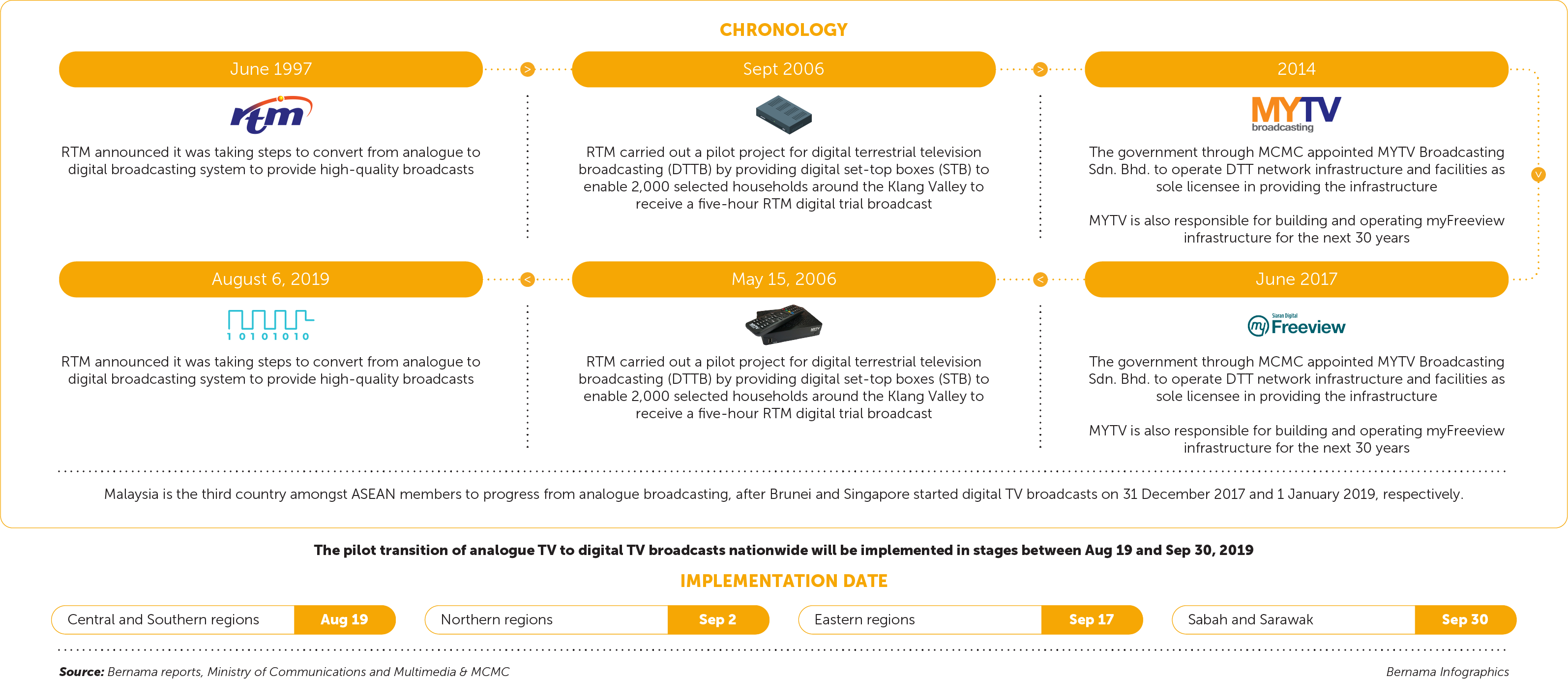
Figure 1: Malaysia Digital TV Broadcast [11].
Globally, the International Telecommunication Union (ITU) has highlighted the need for broadcasting services to be more accessible to PWDs, emphasising the role of technologies such as real-time closed-captioning, speech-rate conversion, and multimedia browsing systems. As Malaysia continues to evolve its digital broadcasting landscape, it is imperative to explore and implement these technologies to ensure that PWDs have equal access to television and radio content, in line with the provisions of the Persons with Disabilities Act (PWDA) 2008.
This study explores the accessibility of television and radio services for PWDs in Malaysia, highlighting their importance not only for entertainment and information but also for education, civic participation, and emergency awareness. Despite legal obligations under the PWDA 2008, many PWDs still face significant structural, technological, and institutional barriers to accessing broadcast media. Following Malaysia's DTT transition in 2019, the research investigates whether these advancements have translated into more inclusive broadcasting. Using a holistic approach anchored in the Technology Acceptance Model, Social Model of Disability, and Policy Analysis Framework, the study reveals that features such as closed captioning, sign language interpretation, and audio descriptions remain inconsistently implemented. Through both user experience analysis and policy evaluation, the study offers practical, evidence-based recommendations to bridge this accessibility gap. Benchmarking against international best practices, the research underscores the need for stronger policy enforcement, increased stakeholder collaboration, and integration of accessible technologies. It contributes to national efforts toward digital inclusion and supports Malaysia's commitments under the UN Convention on the Rights of Persons with Disabilities (UNCRPD), aiming to ensure no citizen is excluded from the country's media and communication ecosystem.
This research primarily aims to identify gaps in the accessibility of television and radio services for PWDs in Malaysia by evaluating the effectiveness of current technologies and regulatory frameworks, and proposing actionable recommendations to enhance inclusivity. Specifically, the study seeks to benchmark existing services, technologies, policies, and regulations in Malaysia and selected countries (RO1); determine the key challenges and barriers faced by PWDs in accessing television and radio (RO2); identify current and emerging technologies that can support accessibility (RO3); evaluate policy and regulatory gaps and explore ways to integrate inclusive practices (RO4); and provide targeted, data-driven recommendations to improve media accessibility for PWDs (RO5).
Literature Review
Media accessibility is a critical issue for PWDs as it ensures equal access to information, education, and entertainment. Television and radio, as two (2) of the most pervasive forms of media, play a vital role in the daily lives of many individuals. For PWDs, these media can serve as essential tools for staying informed, learning new skills, and enjoying recreational activities. However, accessibility barriers can significantly limit their ability to fully engage with these media, leading to a disparity in information access and social participation [1].
Television and radio are not only sources of entertainment but also crucial platforms for information dissemination and education. Broadcast media serve as primary channels through which the public receives news, emergency alerts, and educational content. For PWDs, accessible television and radio services are life-changing, enhancing their quality of life by providing important information in formats that cater to their specific needs. Equitable access to television and radio is vital for ensuring that PWDs are not excluded from societal developments and can contribute to positive social change, including in the community's cultural and civic life [2].
As mandated by Section 30(1) of the PWDA 2008, the government and service providers of broadcast media are duty-bound to ensure that information, communication, and technology are provided in accessible formats for PWDs at no additional cost. However, implementing assistive technologies for PWDs is not without costs and other challenges, which reflects its slow uptake and upscale in television and radio. Such challenges highlight the need for ongoing research and policy reforms to address accessibility and equity gaps in Malaysia's media landscape [3].
Global Perspectives on Media Accessibility for PWDs
The UNCRPD serves as a foundational international framework promoting the rights of PWDs, including access to media and communication technologies. Article 9 of the UNCRPD mandates equal access to information and communications, both in physical and digital forms, such as television and radio, reinforcing the idea that PWDs are entitled to full societal participation [4–5]. Malaysia, as a signatory to the UNCRPD, is obligated to uphold these rights by fostering the availability of accessible formats and technologies at minimal cost.
Supporting this vision, the ITU, a specialised UN agency, plays a central role in promoting accessibility standards in broadcasting. Through its initiatives, the ITU advocates for the integration of closed captioning, audio descriptions, and sign language into broadcast content to ensure inclusivity. In addition, the ITU conducts training and outreach programmes for broadcasters and policymakers, equipping them with the tools and awareness necessary to implement accessible services effectively [6].
Globally, several countries exemplify best practices in advancing accessible broadcasting. In the United States, regulations such as the Americans with Disabilities Act (ADA) and the 21st Century Communications and Video Accessibility Act (CVAA) have mandated real-time closed captioning and audio description for internet video content, leveraging technology to deliver inclusive programming [7]. Australia has similarly prioritised accessibility by transitioning to broadband-based television, incorporating user-friendly features like customisable text, captions, and audio support. The Australian Communications and Media Authority (ACMA) further guides this process by setting standards and providing training resources for content creators [8]. Meanwhile, Japan's policy efforts include mandating sign language and captioning in news and emergency broadcasts and implementing speech rate conversion and multimedia integration to cater to cognitive and sensory needs [9][10][11]. In Malaysia, media accessibility initiatives have emerged through efforts by MyASLI. MyASLI is a Malaysian initiative dedicated to promoting and professionalising sign language interpretation, with a focus on empowering the deaf and indigenous (Orang Asli) communities through inclusive communication. Policy frameworks such as MS1184. MS1184 is a Malaysian Standard titled "Universal Design and Accessibility in the Built Environment – Code of Practice" outlines requirements and recommendations to ensure buildings and public spaces are accessible, safe, and usable for all people, including those with disabilities. However, limitations persist, particularly in the widespread implementation of real-time accessibility features like audio description and interactive subtitles. Bridging this gap will require stronger adoption of international standards, policy reforms, and increased collaboration among regulators, broadcasters, and NGOs [12][13][14].
Recent research also highlights the role of advanced technologies in media accessibility. For instance, the News Accessibility Platform (NAP) leverages AI tools like text-to-speech and sign language integration to make news content more accessible for visually and hearing-impaired users [15]. Similarly, a Korean study showed that platforms like YouTube can effectively disseminate inclusive content, especially among older and white-collar audiences, by promoting educational and cultural programming through trusted influencers [16]. Other global insights, such as those from Zimbabwe, underscore how intersecting challenges, like gender and poverty, further restrict access to essential services, including information, for women with disabilities during crises like COVID-19 [17]. Meanwhile, in Portugal, the MEO4ALL research project identified key gaps in interactive television (iTV) for visually impaired users and proposed improvements like voice control and contextual help to enhance usability [18].
Together, these international case studies demonstrate the diversity of approaches and innovations being used worldwide to promote inclusive media environments for PWDs. They also highlight the ongoing need for collaborative, technology-driven, and rights-based strategies to ensure that media accessibility becomes a universal standard rather than a privilege.
| Feature | Malaysia | US | Australia | Japan |
|---|---|---|---|---|
| Real-time captions | Partial | %20--%3e%3csvg%20version='1.1'%20id='Layer_1'%20xmlns='http://www.w3.org/2000/svg'%20xmlns:xlink='http://www.w3.org/1999/xlink'%20x='0px'%20y='0px'%20viewBox='0%200%2030%2030'%20style='enable-background:new%200%200%2030%2030;'%20xml:space='preserve'%3e%3cstyle%20type='text/css'%3e%20.st0{fill:%232DC1D6;}%20.st1{fill:%23FFFFFF;}%20%3c/style%3e%3cg%3e%3cpath%20class='st0'%20d='M30,15c0,7.2-5.1,13.3-11.9,14.7c-1,0.2-2,0.3-3.1,0.3C6.7,30,0,23.3,0,15C0,6.7,6.7,0,15,0%20c8.1,0,14.7,6.4,15,14.4C30,14.6,30,14.8,30,15'/%3e%3cpath%20class='st1'%20d='M23.4,9.7c-0.8-0.8-2.2-0.8-3.1,0l-7.4,7.4L9.8,14c-0.8-0.8-2.2-0.8-3.1,0c-0.8,0.9-0.8,2.2,0,3.1l4.7,4.7%20c0.4,0.4,1,0.6,1.5,0.6c0.6,0,1.1-0.2,1.5-0.6l9-9C24.3,11.9,24.3,10.5,23.4,9.7'/%3e%3c/g%3e%3c/svg%3e) |
|
|
| Audio descriptions | Rare | |
|
|
| Sign language integration | Some news | |
|
|
| Regulators | MCMC | FCC | ACMA | MIC |
| Innovation in accessibility | Low | High | High | High |
Table 1: Benchmark Comparison: Malaysia vs Global Leaders.
Media Accessibility for PWDs in Malaysia
Malaysia has legal and regulatory frameworks in place to promote media accessibility for PWDs. The PWDA guarantees equal access to information, communication, and technology. It calls for media providers, such as TV and radio stations, to include features like closed captioning, audio descriptions, and sign language interpretation. The MCMC plays a key role in regulating this space, issuing policies that encourage broadcasters to adopt accessibility standards in line with international practices.
In practice, accessibility features are available on Malaysian television and radio, but their implementation is inconsistent. Closed captioning is offered on some channels, helping viewers with hearing impairments. Audio descriptions, which describe visual content for those with visual disabilities, are available but not widely adopted. Sign language interpretation is even more limited, often restricted to selected news programmes or special broadcasts. The completion of the DTT rollout in 2019 provided technical capabilities for improved accessibility, but many broadcasters have yet to fully utilise these tools.
Several challenges hinder progress. Technological barriers, such as outdated equipment and a lack of expertise, prevent broadcasters from adopting advanced assistive features. There is also a lack of awareness and commitment from media providers, coupled with weak enforcement of existing regulations. Beyond technical issues, socio-economic and cultural barriers, like limited access to affordable assistive technology and societal attitudes toward disability, also limit accessibility. For Malaysia to achieve inclusive media access for all, there must be stronger policy enforcement, greater investment in accessible technology, and a cultural shift toward prioritising the rights of PWDs.
Recommendations for Policy Improvement
Malaysia's current legal and policy frameworks offer a foundation for accessible media, but several gaps limit their effectiveness. Although the MCMC has issued guidelines promoting accessibility features such as closed captioning and audio descriptions, the implementation of these features across broadcasters varies [6][8]. While the shift to digital broadcasting provides the technical capacity for enhanced accessibility, actual usage remains inconsistent across media platforms. This reflects broader challenges in industry-wide adoption and compliance, which may stem from differing levels of awareness, resource availability, and prioritisation among broadcasters. As the regulatory body, MCMC provides the framework and guidance, but effective implementation depends largely on the commitment and capacity of individual broadcasters.
Key issues include the absence of uniform standards for implementing accessibility features and limited oversight to ensure broadcaster compliance. Media providers are not equally investing in or applying assistive technologies, which results in significant variations in service quality [7]. Additionally, there are few incentives or support structures for broadcasters to adopt more accessible practices, further slowing progress in this area.
To bridge these gaps, several policy improvements are needed. Malaysia should implement clear, uniform standards requiring all broadcasters to include closed captioning, sign language interpretation, and audio descriptions [8]. Policies should also make better use of digital technology capabilities and include financial or technical support to help broadcasters upgrade their systems [6]. Stronger enforcement, through regular audits, compliance checks, and penalties for non-adherence, is critical to ensure consistent service delivery [7]. Innovative solutions could also improve accessibility, particularly for the hearing-impaired community. For instance, Smart TVs and broadcasting platforms could allow viewers to adjust the size of the sign language interpreter's window, making interpretation clearer and more user-friendly. A flexible viewing ratio, such as 1:2, would help viewers prioritise the interpreter screen when necessary.
Finally, there is a need to professionalise the role of sign language interpreters in the media sector. Recognising this work as a formal career, through certifications, training programmes, and industry standards, would raise the quality and consistency of interpretation services. This not only improves access for PWDs but also creates meaningful employment opportunities in the broadcasting industry.
Methodology
This study employs a mixed-methods approach that integrates both quantitative and qualitative strategies to comprehensively examine media accessibility for PWDs in Malaysia. The quantitative component consists of structured questionnaires administered to two (2) main respondent groups: individuals with disabilities and professionals working in television and radio broadcasting. For the PWD population, a stratified random sampling technique is applied to ensure fair representation across seven (7) disability categories, namely visual, hearing, speech, physical, mental, learning, and multiple disabilities. A sample size of 100 respondents was calculated based on a 5 per cent margin of error and a 95 per cent confidence level, with proportional distribution across all disability types. For broadcasting professionals, a separate structured questionnaire is used to capture current practices, challenges, and attitudes toward accessibility features in media services. Data collected through these instruments address three (3) core research objectives: RO1 (to benchmark the accessibility of current television and radio services), RO3 (to explore the adoption of emerging technologies for PWD accessibility), and RO4 (to evaluate the effectiveness of current regulatory frameworks). The quantitative data will be analysed using descriptive and correlation statistics to identify patterns and relationships relevant to media accessibility.

Complementing the quantitative phase, the qualitative component involves semi-structured interviews and focus group discussions (FGDs) to explore deeper insights into lived experiences and institutional challenges. This phase supports RO2 (to identify the real-world challenges faced by PWDs in using television and radio), RO3 (to explore broadcasters' perspectives on technology adoption), and RO4 (to assess policy implementation from the viewpoint of regulators and stakeholders). A purposive sampling technique is used to select 14 PWD participants, two (2) from each of the seven (7) disability categories, as well as media practitioners from RTM, TV3, Astro Awani, Bernama TV, and radio stations such as IKIMfm and Negeri FM. Special accommodations are made to ensure accessibility in data collection, including the use of sign language interpreters, voice recordings, simplified questions, assistive communication devices, and caregiver-assisted interviews where necessary. Additionally, focus group discussions are conducted with policymakers and representatives from Jabatan Kebajikan Masyarakat (JKM) to capture institutional perspectives on policy challenges. All qualitative data are analysed thematically using NVIVO software, enabling the identification of recurring themes related to media accessibility. This mixed-methods design ensures a holistic understanding of both user experiences and systemic factors affecting inclusive media access for PWDs in Malaysia.
Findings
Findings for Research Question 1
The investigation into the current state of television and radio accessibility for PWDs in Malaysia, in comparison with international benchmarks, reveals both progress and persistent gaps. Case studies from developed countries such as the United States, Australia, and Japan illustrate how a comprehensive approach, integrating legal mandates, regulatory enforcement, and technological innovation, can significantly enhance media accessibility. In the United States, accessibility is supported by strong legal frameworks like the Americans with Disabilities Act (ADA) and 21st Century Communications and Video Accessibility Act (CVAA), which require real-time closed captioning and audio descriptions for both traditional and digital media. Australia has embedded accessibility within its national disability strategy, using broadband TV to support customisable features and training content creators to ensure inclusive media. Japan mandates accessibility through legislation, with advanced features like speech rate conversion and integrated multimedia accessibility tools, especially in critical broadcasts.
In contrast, Malaysia has made notable efforts, including the enactment of the PWDA 2008 and the issuance of guidelines by the MCMC. Standards like MS1184 provide a supportive backdrop for accessibility efforts. However, implementation remains inconsistent across broadcasters. Closed captioning, audio descriptions, and sign language interpretation are available only on selected programmes and are not uniformly applied. Although the DTT transition in 2019 provided technical potential for improvement, its benefits have yet to be fully leveraged. Challenges include a lack of standardised requirements across media providers, limited enforcement mechanisms, and outdated infrastructure. Socio-economic barriers, such as the affordability of assistive technologies and limited awareness among broadcasters, further complicate accessibility efforts.
A comparative analysis underscores a crucial gap, not in Malaysia's policy intentions, but in execution and integration. Unlike benchmark countries that enforce compliance through law, performance metrics, and investment in emerging technologies, Malaysia lacks clear industry-wide mandates or accountability systems. Innovations seen elsewhere, such as AI-driven accessibility tools or user-customisable interpreter windows, have yet to be adopted. Furthermore, case studies like the News Accessibility Platform (NAP) highlight the transformative role AI can play in real-time content adaptation, while research into YouTube and social media platforms shows the potential of digital tools to enhance inclusive broadcasting. Other studies emphasise the need to address intersecting vulnerabilities, such as gender and disability, particularly in crisis contexts, as seen in Zimbabwe. Even in technologically advanced settings like Portugal, continual upgrades are needed to meet the needs of users with visual impairments, indicating that accessibility is a dynamic, ongoing goal.
In conclusion, Malaysia has established a solid legal and regulatory foundation for media accessibility, but significant gaps remain in implementation, enforcement, and technological advancement. Learning from global best practices, Malaysia must move beyond awareness to actionable reforms, integrating accessibility into the core of media production and regulation. Doing so will require cross-sector collaboration, technological investment, and a commitment to inclusive design, not as an afterthought, but as a fundamental right for all citizens.
Findings for Research Question 2
The study revealed multiple, interrelated barriers affecting the accessibility of television and radio services for PWDs in Malaysia. These challenges were categorised into three (3) broad themes: limitations in service effectiveness, user-related difficulties, and systemic gaps in policy, technology, and awareness. Firstly, the majority of respondents expressed dissatisfaction with the helpfulness of TV and radio services. Only 12 per cent rated the services as highly helpful, while over 61 per cent gave low-to-moderate ratings (ranging from "Disagree" to "Neutral"). Similarly, accessibility features such as captions and sign language interpretation were rated as effective by just 13.6 per cent of respondents. A striking 89.1 per cent found these features to be inconsistent, difficult to activate, or unfriendly, indicating a lack of standardisation and poor user interface design.
Usability barriers further contributed to limited engagement. Approximately 26.6 per cent of respondents found accessibility tools hard to use, and only 13.1 per cent agreed that activating accessibility features was easy. These findings underscore the disconnect between available features and their practical usability for end-users. Issues such as poor menu design, non-intuitive controls, and a lack of personalisation options contribute to this gap. Respondents also noted broader issues concerning social inclusion, content satisfaction, and perceived accessibility. Only 12.5 per cent felt that current media content met their needs, citing particular dissatisfaction with the entertainment and advertising segments. Additionally, participation in social and community discourse via media was reported to be limited, with only 14.7 per cent strongly agreeing that television and radio played a role in inclusion. Perceived accessibility of content was rated neutral by a large majority (68.1 per cent for television), suggesting that while some efforts exist, they remain insufficient and inconsistently applied.
From a technical standpoint, the DTT transition, intended to enhance media access, has not significantly improved the experience for PWDs. Only 14.7 per cent of respondents noted improvements in accessibility post-transition, with most responses remaining at mid-level satisfaction scores. Adjusting basic settings such as brightness, subtitles, and audio levels was reported to be unintuitive, with only 13.6 per cent finding these features easy to configure. Content types such as news and advertisements were particularly inaccessible, with only 9.8 per cent saying news was fully accessible and just 10.9 per cent considering advertisements to be inclusive. The challenges also extend into systemic issues. Three (3) major gaps were identified: policy and regulatory gaps, technological barriers, and limited awareness among broadcasters. Many respondents highlighted the lack of uniform standards across networks and the absence of real-time compliance audits. Outdated broadcast technology, particularly with regard to audio description capabilities, further hinders accessibility. Moreover, many PWDs struggle to activate assistive features due to poor platform design. Importantly, a lack of training among media personnel and low prioritisation of accessibility were cited as key reasons for the continued exclusion of PWDs from mainstream media access.
Findings for Research Question 3
This research question was addressed through both quantitative and qualitative approaches. The quantitative component involved 198 respondents from TV and radio stations, while the qualitative data was derived from in-depth interviews with 11 media professionals representing various organisations, including WOWSHOP Sdn. Bhd. (TV3, TV9, 8TV, TV AlHijrah), Bernama TV, a YouTube channel, IKIMfm, RTM, Bernama Radio, Hot FM, and TV Al-Hijrah. The quantitative findings reveal widespread limitations in the current use of assistive technologies within Malaysian broadcast media. Key challenges include inaccessible user interfaces, where complex menu designs and a lack of screen reader support hinder usability for blind and visually impaired individuals. Respondents also highlighted inconsistent accessibility features, such as unreliable captions and the absence of real-time audio descriptions or sign language interpretation across platforms. Radio services were reported as particularly inaccessible due to the lack of simplified or descriptive audio formats.
Another significant issue identified was limited staff competence, with many broadcasters acknowledging that staff are not adequately trained in using or delivering disability-inclusive tools and services. In tandem with this, customer support was rated poorly, particularly for its lack of disability-specific guidance or responsiveness, further compounding the accessibility gap. In contrast, the qualitative interviews provided insights into emerging technologies and innovative practices with the potential to transform the accessibility landscape. Among the most promising solutions is the use of AI-powered closed captioning, which enables real-time and accurate subtitles across TV and online channels. Respondents also cited text-to-speech and voice navigation tools as crucial developments for visually impaired users, allowing independent access and interaction with content.
Another notable advancement is the development of integrated sign language avatars, virtual interpreters that provide real-time sign translation on-screen, offering a scalable solution to the limited availability of human interpreters. Furthermore, accessible streaming interfaces that offer intuitive subtitle toggles, audio description menus, and simplified layouts are being explored by some broadcasters as part of their future plans. Awareness campaigns in the form of user guidebooks, on-screen prompts, and training videos are also emerging as low-cost yet impactful strategies to bridge knowledge gaps for PWDs and promote effective use of existing tools.
From the qualitative data, several systemic barriers to implementation were also uncovered. These include human resource gaps, such as the shortage of trained sign language interpreters, particularly those fluent in Arabic or literate in Jawi. Technical limitations were common, including outdated hardware, poor infrastructure, and the inability to support real-time captioning or translation. Platform limitations, especially for radio, were seen as a core issue due to the medium's lack of visual content. Furthermore, policy enforcement gaps were noted, with the absence of clear KPIs or compliance audits contributing to low prioritisation of accessibility. Respondents also pointed to budget constraints, citing the high cost of producing accessible content and limited sponsorship interest. Additionally, low awareness and editorial restrictions hindered progress, as accessibility was not seen as a production priority and complex animated or religious content was deemed difficult to adapt.
While Malaysian broadcasters recognise the potential of emerging technologies to improve accessibility, current efforts are constrained by a combination of infrastructural, financial, and regulatory challenges. Moving forward, there is a need to integrate new technologies with dedicated policy support, staff training, and collaborative efforts with PWD communities to ensure sustainable and inclusive media practices.
Findings for Research Question 4
To evaluate the effectiveness of current policies and regulatory frameworks in Malaysian broadcasting, this study engaged both quantitative and qualitative methods. The quantitative component involved responses from 189 officers affiliated with Jabatan Kebajikan Masyarakat (JKM) and other relevant government and regulatory bodies, collected through a structured questionnaire. Complementing this, the qualitative component included in-depth interviews with two (2) key NGO representatives:
1: Puan Zaharatul Sophia binti Mohamed Amir Abas, Secretary of Yayasan Pendidikan Al-Quran Bagi Anak Istimewa (Yayasan FAQEH) and a parent of a child with autism; and
%20--%3e%3csvg%20version='1.1'%20id='Layer_1'%20xmlns='http://www.w3.org/2000/svg'%20xmlns:xlink='http://www.w3.org/1999/xlink'%20x='0px'%20y='0px'%20viewBox='0%200%2019%2019'%20style='enable-background:new%200%200%2019%2019;'%20xml:space='preserve'%3e%3cstyle%20type='text/css'%3e%20.st0{fill:%232DC1D6;}%20.st1{fill:%23FFFFFF;}%20%3c/style%3e%3cg%3e%3cg%3e%3cpath%20class='st0'%20d='M9.5,19C4.3,19,0,14.7,0,9.5S4.3,0,9.5,0S19,4.3,19,9.5S14.7,19,9.5,19'/%3e%3c/g%3e%3cpolygon%20class='st1'%20points='4.9,5.7%205.8,5.3%209.5,12.6%2013.2,5.3%2014.1,5.7%2010,13.7%209,13.7%20'/%3e%3c/g%3e%3c/svg%3e)
2: Encik Amin Zuhaili bin Mansor, President of Persatuan Orang Pekak Negeri Sembilan (NESDA), a person with hearing disability and a cochlear implant user.
Findings from the survey indicate low confidence in current policy effectiveness. Only 7.9 per cent of respondents strongly agreed that the policies in place are effective, while a significant portion expressed skepticism, 30.2 per cent disagreed, and 33.3 per cent remained neutral. This reflects a general uncertainty regarding the impact of existing frameworks on improving media accessibility for PWDs. Several policy and implementation gaps were identified. Notably, 28.6 per cent of respondents felt that current policies fail to meet actual accessibility needs, and an equal percentage believed that existing policy structures actively limit full media access. Many pointed to the absence of detailed provisions on digital accessibility, with 30.7 per cent calling for improvements in this area. These concerns were compounded by perceptions of weak enforcement, as only 10.6 per cent viewed enforcement as strong, and nearly 28.1 per cent disagreed that compliance is well-monitored.
Respondents also highlighted limited collaboration between government and broadcasters, with only 9 per cent strongly agreeing that cooperation is effective. This suggests a need for more structured, cross-agency engagement to implement and uphold accessibility standards. Additionally, broadcasters reportedly lack sufficient incentives and prioritisation, with 24.9 per cent disagreeing that accessibility is incentivised and many noting that it is not treated as a production priority. The qualitative interviews supported these findings. Both NGO representatives emphasised the importance of engaging PWDs and advocacy groups in policy formation and review processes. Encouragingly, 30.2 per cent of survey respondents agreed, and 20.1 per cent strongly agreed, that PWD engagement adds value and is key to reform. However, awareness campaigns were criticised as ineffective, with 31.2 per cent indicating that outreach efforts do not sufficiently raise awareness or drive implementation.
Despite these challenges, the study also identified key strengths in the current legal and institutional setup. These include the promotion of inclusivity through sign language and captioning in selected programmes, mandated interpretation for critical news updates, and visible government recognition of PWD rights. However, implementation remains fragmented and largely limited to specific broadcasts, with entertainment and radio content often excluded. The policies, while symbolically significant, require stronger operational mechanisms to fulfil their intended purpose. While Malaysia has laid an important legal foundation for accessibility in broadcasting, the effectiveness of these policies is undermined by inconsistent application, weak enforcement, limited collaboration, and low awareness. There is strong support, both from stakeholders and data, for policy reforms that ensure broader content coverage, clearer content guidelines, regular inclusion of PWD feedback, and balanced implementation across all disability groups. These actions are essential to transform accessibility from principle into practice.
Findings for Research Question 5
To ensure greater inclusivity and equal access to television and radio services for PWDs, the study identifies several key recommendations drawn from both qualitative insights and quantitative findings. These recommendations are structured to address current system limitations while aligning with global best practices. First, it is imperative to standardise and expand accessibility features across all types of content. Accessibility tools such as closed captions, sign language interpretation, and audio descriptions should not be limited to news or special events, but must be incorporated across a broader range of programmes, including entertainment, drama, and religious segments. Furthermore, these features should be customisable to accommodate various disability needs, such as adjustable subtitle fonts and the ability to change sign language box sizes, to support a more user-centric approach.
Second, enforcement and monitoring mechanisms must be strengthened to ensure that existing policies translate into consistent action. This includes developing clear enforcement protocols, instituting routine compliance checks, and introducing penalties for non-compliance. Broadcasting stations should also be required to report on key performance indicators (KPIs) related to accessibility, offering measurable insights into their inclusivity efforts. Third, there is a need to enhance both technical and human resource capacity within the broadcasting sector. This involves investing in the training and recruitment of qualified personnel such as sign language interpreters, particularly those with domain-specific expertise, such as religious programming, as well as providing regular capacity-building workshops for producers and content creators. These initiatives can foster a deeper understanding of disability inclusion and equip industry professionals with the necessary tools to implement best practices.
Fourth, broadcasters should be encouraged to implement AI and digital accessibility innovations, including speech-to-text, real-time captioning, and text-to-speech applications. These tools can help automate accessibility processes and broaden the reach to diverse PWD communities. However, the use of such technologies must be guided by clear ethical standards to ensure that accessibility is achieved without compromising content accuracy or quality. Fifth, content policies must be made more inclusive and PWD-sensitive. In particular, attention should be given to filtering inappropriate language or confusing visual elements, especially for individuals with cognitive impairments. At the same time, the representation of PWDs in media content should be positive and non-stereotypical, to foster greater social inclusion and counter stigma.
Sixth, there is a strong rationale to formally engage PWDs and caregivers in both content development and policy-making processes. Feedback mechanisms, such as advisory panels, focus groups, and regulatory consultations, should be institutionalised to ensure that lived experiences directly inform decisions. This participatory approach strengthens relevance and builds trust between stakeholders. Seventh, public awareness and accessibility literacy need to be increased. Many users, including PWDs themselves, are unaware of the features currently available on TV and radio platforms. Therefore, national awareness campaigns, user tutorials, and on-screen guidance tools should be developed to educate audiences on how to activate and utilise accessibility options effectively.
Eighth, the study highlights the importance of cross-sector collaboration. Media agencies should work in close partnership with government institutions, NGOs, disability associations, and technology providers to co-develop innovative solutions and optimise resource sharing. Initiatives such as volunteer-based interpreter programmes or subsidised services via universities and sign language bodies could help bridge existing service gaps. Lastly, the regulatory landscape must remain adaptive through regular policy review cycles. This ensures that guidelines remain responsive to emerging technologies and the evolving expectations of PWD communities. Reviews should include benchmarking against global models, such as those practiced in the United States, Japan, and Australia, to raise standards and future-proof local policies. In summary, enhancing media accessibility for PWDs in Malaysia requires a multi-pronged approach involving regulatory reform, technological investment, inclusive design, and stakeholder engagement. Implementing these recommendations holistically would help bridge current accessibility gaps and move the sector closer to achieving media equity for all.
Discussion
Research Question 1 Summary
This study addressed Research Question 1 through a content analysis of international and local policies, technologies, and practices related to media accessibility for PWDs. Benchmarking focused on the United States, Australia, and Japan, countries known for their inclusive media legislation and innovations such as real-time captioning, audio descriptions, sign language interpretation, and AI-based tools. Findings revealed that while these countries have strong regulatory frameworks and enforcement mechanisms (e.g., ADA and CVAA in the US, ACMA in Australia), Malaysia's implementation remains limited. Despite having policies like the PWDA 2008 and MCMC guidelines, accessibility features in Malaysia are inconsistently applied, often limited to news segments, and lack industry-wide enforcement. Technological gaps, outdated infrastructure, and limited user capacity further hinder accessibility. To bridge these gaps, Malaysia must move beyond policy intent to actionable reforms. Key priorities include standardising accessibility features across all broadcasters, adopting advanced technologies, strengthening monitoring mechanisms, and involving PWDs in the design and evaluation of inclusive media. Global best practices also emphasise the importance of cross-sector collaboration and digital innovation, elements Malaysia can leverage to ensure more equitable media access.
Research Question 2 Summary
To investigate the challenges faced by PWDs in accessing television and radio services in Malaysia, the study gathered insights from 184 PWDs and caregivers through surveys and interviews. The findings reveal a range of barriers spanning technology, content, awareness, and design. One (1) of the most significant issues was the inconsistent availability of accessibility features such as closed captions, sign language, and audio descriptions, often limited to news programmes and largely absent in entertainment or religious content. As a result, many PWDs turned to mobile devices and online platforms, which offered more flexible features, though this shift raises equity concerns, especially among low-income and rural users. Technical barriers such as outdated TVs, lack of digital interfaces, and inaccessible remote controls further constrained access, particularly for those with physical disabilities. Respondents also reported a lack of tailored content, especially for those with cognitive impairments, and limited awareness of how to activate accessibility settings. This gap in media literacy was most apparent in underserved communities. Disability-specific challenges varied: visually impaired users lacked audio descriptions, hearing-impaired users faced limited and language-restricted subtitles, cognitively disabled users were exposed to inappropriate content, and physically disabled users struggled with device navigation. These findings also align with the Technology Acceptance Model (TAM), where inconsistent accessibility and usability issues reduced the perceived usefulness and ease of use of broadcast media, leading to lower adoption among PWDs. In conclusion, the study highlights the need for targeted, disability-specific interventions and improved awareness strategies. Inclusive broadcasting must go beyond policy declarations and involve PWDs in the design, delivery, and evaluation of accessible media solutions.
Research Question 3 Summary
This part of the study looked at the current and emerging technologies used by TV and radio stations in Malaysia to support accessibility for PWDs. Data were gathered from 198 media professionals through surveys and focus group discussions. The findings show that while some broadcasters have started using accessibility features like closed captions and sign language interpretation, these are often limited to news or official events. Features like audio description for the visually impaired are rarely available. Accessibility is usually added only for special occasions, rather than being part of regular programming. Several barriers were identified. Many stations face budget limitations, a lack of trained staff, and outdated equipment. Accessibility is often treated as an afterthought, not something planned from the beginning. There are also no clear performance targets or checks to ensure consistent use of these features. Insights from media professionals revealed that not all disability groups are well-served. Hearing-impaired users often struggle with subtitles that are only in English. Visually impaired users have limited options due to the lack of audio descriptions. People with cognitive or learning disabilities are often left out completely, as content is rarely simplified or structured for their needs. These issues reflect the Social Model of Disability, which suggests that it is the design of systems, not the disabilities themselves, that creates barriers. Accessibility in broadcasting is still limited by how media is planned, funded, and delivered. However, there are signs of progress. Some broadcasters are starting to explore new technologies like AI-generated captions, automated transcription, and mobile-friendly platforms like RTM Klik. Social media streaming has also opened new ways to reach PWDs, although improvements in accuracy and customisation are still needed. While awareness of accessibility is improving, more action is needed. Broadcasters must plan for accessibility from the start, invest in technology and training, and work closely with disability organisations. Real progress will come from making accessibility a core part of how media is created, not just something added on later.
Research Question 4 Summary
This section evaluated how effective current policies and regulations are in supporting accessibility to television and radio services for PWDs in Malaysia. Data were collected from 189 NGO respondents and two (2) in-depth interviews with disability advocates. Findings show that while legal frameworks like the PWDA 2008 and MCMC guidelines exist, many stakeholders, especially from NGOs, are not fully aware of their details or how they are applied. There is a disconnect between written policies and actual practice. Respondents were also unclear about who is responsible for monitoring enforcement or how PWD feedback is used in policy reviews. Some positive efforts were acknowledged, such as the inclusion of sign language interpretation during national news and closed captions during specific broadcasts. These examples show that policy intent exists, but implementation is inconsistent. Most accessibility features are limited to major events, leaving regular programmes inaccessible to many PWDs. Key weaknesses include the lack of standard enforcement mechanisms, such as KPIs or regular audits, and minimal consultation with disability communities during policy development. Feedback from PWDs and caregivers is often overlooked or only gathered during formal events, limiting its impact on meaningful policy changes. Respondents stressed the importance of cross-agency collaboration between media providers, NGOs, regulators, and tech partners to ensure accessibility is treated as a shared responsibility. Current efforts are fragmented, with some broadcasters proactive and others citing a lack of resources or guidance. There is strong support for policy reform and innovation, including the use of AI tools for real-time captioning or sign language avatars, bilingual subtitles, and expanded interpreter services. Concerns were also raised about content regulation, especially for children with cognitive disabilities, calling for better control over advertising and non-verbal content cues. While the legal foundation for accessible media in Malaysia is in place, actual implementation is inconsistent and underdeveloped. More collaboration, regular policy updates, and active engagement with PWD communities are needed to ensure that accessibility becomes a lived reality, not just a policy goal.
Research Question 5 Summary
This study's final research question aimed to identify actionable recommendations to improve the inclusivity and accessibility of television and radio services for PWDs in Malaysia. Findings from the preceding sections highlighted several critical issues, ranging from inconsistent implementation of accessibility features to limited policy enforcement, technological gaps, and lack of stakeholder engagement. In response, the study proposes a multi-dimensional approach to reform. Firstly, policy enforcement needs to be strengthened. Although frameworks such as the PWDA 2008 and MCMC guidelines exist, their impact remains uneven due to the absence of standardised Key Performance Indicators (KPIs) and routine audits. Establishing clear enforcement mechanisms and offering incentives to compliant broadcasters would promote industry-wide accountability. Equally important is the standardisation of accessibility features. Features such as closed captions, sign language interpretation, and audio descriptions must be uniformly available across all programmes, not just during news or special events, and should be culturally and linguistically appropriate. Engaging PWDs and advocacy groups in content planning is another essential recommendation. Their direct feedback can help ensure services are designed around real needs. Regular dialogue through feedback platforms, town halls, or advisory committees should become an integral part of broadcast planning. Additionally, broadcasters must embrace assistive and AI-driven technologies like real-time transcription, speech-to-text, and sign language avatars to enhance accessibility. However, adopting these tools requires capacity building. Therefore, training programmes should be expanded to include technical staff, sign language interpreters with subject-matter expertise, and media professionals. Content inclusivity must also be prioritised. Beyond technical access, programming should be cognitively appropriate and culturally sensitive, particularly for children and individuals with learning difficulties. Finally, long-term improvement depends on cross-sector collaboration and systematic evaluation. A national accessibility council, involving media agencies, NGOs, and technology partners, is recommended to lead this effort. Monitoring systems must be put in place to track accessibility metrics, review policies regularly, and ensure continued responsiveness to the evolving needs of the PWD community. In sum, creating an inclusive media ecosystem requires not just policy reform, but a cultural shift toward valuing accessibility as a core component of public service.
Conclusion
In sum, this study provides a comprehensive overview of the current state of television and radio accessibility for PWDs in Malaysia. While legal frameworks and initial infrastructure are in place, the findings demonstrate a significant gap between policy aspirations and on-the-ground realities. Accessibility remains inconsistent and often limited to high-profile programmes, with insufficient enforcement, underutilised technologies, and minimal engagement with the very communities affected. The challenges are not only technical but also systemic, rooted in outdated practices, budgetary constraints, and a lack of stakeholder collaboration. As evidenced through the lens of the Technology Acceptance Model and Social Model of Disability, the usability and usefulness of broadcasting platforms are compromised when inclusive design is not prioritised from the outset. To move forward, accessibility in media must be treated not as a supplementary feature but as an essential public good. This requires shifting from reactive to proactive strategies, where accessibility is integrated from the planning stage, supported by cross-sector partnerships, backed by regulatory mechanisms, and shaped by the lived experiences of PWDs. Malaysia has the legal and technological foundation to lead in this area, but success will depend on sustained commitment to inclusivity, innovation, and accountability. By embracing a user-centred and disability-specific approach, Malaysia can fulfil the promise of equal media access for all, reinforcing the values of dignity, participation, and universal design in the digital age.
References
1. Azmi, N. A., & Saaid, H. B. (2023).
The current research landscape on the person with disabilities (PWDs) accessibilities on digital government: A bibliometric analysis. International Journal of Academic Research in Business and Social Sciences, 13(4), 60-77.
2. Njuguna, R. W. (2016).
Accessibility to information and communication technology (ICT) among persons with disabilities (PWDS) in Nairobi County (Doctoral dissertation, University of Nairobi).
3. Attuh, S., & Kankam, P. K. (2024).
Community radio as information dissemination tool for sustainable rural development in Ghana. Journal of Radio & Audio Media, 31(1), 248-270.
4. Guide, T. (2010).
The convention on the rights of persons with disabilities.
5. Hendriks, A. (2007).
UN Convention on the Rights of Persons with Disabilities. European Journal of Health Law, 14(3), 273-298.
6. International Telecommunication Union. (2024).
Accessibility in ITU. Retrieved August 19, 2024, from https://www.itu.int/en/ITU-T/accessibility/Pages/default.aspx
7. Kent, M., & Ellis, K. (2015).
People with disability and new disaster communications: access and the social media mash-up. Disability & Society, 30(3), 419-431.
8. United Nations Economic and Social Commission for Asia and the Pacific. (2019).
Disability at a glance 2019: Strengthening the rights of persons with disabilities in the Pacific region. https://www.unescap.org/sites/default/files/publications/SDD-DAG-2019.pdf
9. Davis, F. D. (1989).
Perceived usefulness, perceived ease of use, and user acceptance of information technology. MIS Quarterly, 13(3), 319-340. https://doi.org/10.2307/249008
10. Oliver, M. (1983).
Social Work with Disabled People. Macmillan International Higher Education. https://doi.org/10.1007/978-1-349-17225-8
11. Bernama. (2019, August 6).
Shutdown of analogue TV to be announced today. Malaysiakini. https://www.malaysiakini.com/news/486846
12. Navigating the future of care for older persons in Malaysia by 2040: From community support to technological integration. (n.d.).
UNDP. https://www.undp.org/malaysia/blog/navigating-future-care-older-persons-malaysia-2040-community-support-technologicalintegration#:~:text=Malaysia%20is%20at%20a%20critical,%25%20by%202040%20(2)
13. Ramli, R., Zainol, R., & Yaacob, N. (2023).
Perception of persons with disabilities groups on accessibility and connectivity of public transportation infrastructure in Kuala Lumpur, Malaysia. International Journal of Property Sciences (E-ISSN: 2229-8568), 65-91.
14. Venkatesh, V. and Davis, F.D. (2000).
A theoretical extension of the Technology Acceptance Model: Four longitudinal field studies. Management Science, 46(2): 186–204. http://dx.doi.org/10.1287/mnsc.46.2.186.11926
15. Braimah, I. A. (2025).
Enhancing News Accessibility for People with Disabilities: A Case Study of the AI-Powered News Accessibility Platform (NAP). International Research Journal of Modernization in Engineering Technology and Science, 7(1), 1111-1125. DOI: https://www.doi.org/10.56726/IRJMETS66115.
16. Lee, Y. H., & Lee, J. J. (2024).
A study on the promotion of broadcasting for persons with disabilities using new media, focusing on the visually or hearing impaired. Media Asia, 1–30. https://doi.org/10.1080/01296612.2024.2352949.
17. Chadambuka, P., Muridzo, N.G., Hungwe, C., et al. (2024).
"They Do Not Perceive Us as People": Women with Disabilities' Access to Key Social Services During the COVID-19 Pandemic: A Zimbabwean Case Study. Journal of Human Rights and Social Work, 9, 290–303. https://doi.org/10.1007/s41134-023-00284-x.
18. Oliveira, R., Júlio, L., & Oliveira, A.P. (2024).
The Experience of Portuguese Visually Impaired with Interactive Television (iTV) Services: A Questionnaire Survey. In: Marcus, A., Rosenzweig, E., & Soares, M.M. (eds) Design, User Experience, and Usability. HCII 2024. Lecture Notes in Computer Science, vol 14714. Springer, Cham. https://doi.org/10.1007/978-3-031-61356-2_7.