
TOPIC
02
An Impact Analysis of MCMC's Broadband Wireless Access Internet Services for Orang Asli and Rural Communities
LEAD RESEARCHER
Dr. Hamidah binti Md Yusop
UNIVERSITI TEKNOLOGI MARA
TEAM MEMBERS
Assoc. Prof. Dr. Mohd Zaki Awang bin Awang Chek
UNIVERSITI TEKNOLOGI MARA
Dr. Siti Aishah binti Hussin
OPEN UNIVERSITY MALAYSIA
Dr. Chandramalar Munusami
NILAI UNIVERSITY
Abstract
This study evaluates the impact of the Malaysian Communications and Multimedia Commission's (MCMC) Broadband Wireless Access (BWA) Internet services on Orang Asli and rural communities in Peninsular Malaysia. The study aimed to assess user satisfaction, identify factors influencing digital service adoption, and examine the social, behavioral, and economic effects of BWA implementation. Employing a mixed-method approach, the study combined qualitative interviews with 8 community representatives and quantitative surveys of 189 respondents across Johor, Pahang, Perak, and Kelantan. Findings revealed mixed satisfaction with BWA services, with users appreciating improved connectivity and access to information but facing challenges such as slow speeds, frequent disconnections, and limited coverage during adverse weather. Accessibility issues, including device shortages and low digital literacy among older residents, further hindered optimal usage. Socially, BWA enhanced communication, particularly for families separated by distance, but also reduced traditional community engagement as younger members shifted to online activities. Economically, the internet facilitated small-scale online businesses and access to market information, though barriers like high data costs and inconsistent connectivity limited broader benefits. The study concludes that while BWA services have positively impacted digital inclusion, significant gaps remain. Recommendations include subsidizing internet costs, improving infrastructure, enforcing service quality standards, and implementing targeted digital literacy programmes. These measures are essential to ensure equitable access and maximize the socioeconomic benefits of digital connectivity for Orang Asli and rural communities. The findings provide critical insights for policymakers to refine strategies and bridge the digital divide effectively.
Keywords: Broadband Wireless Access, BWA, digital inclusion, Orang Asli, rural communities, impact analysis
Introduction
In the digital age, internet access is a critical driver of socioeconomic development, providing opportunities for education, healthcare, economic growth, and social inclusion. However, significant disparities in internet access persist in Malaysia, particularly among the Orang Asli and rural communities. These groups often face barriers such as limited infrastructure, high costs, and low digital literacy, exacerbating the digital divide and hindering their full participation in the digital economy. To address these challenges, the Malaysian Communications and Multimedia Commission (MCMC) has implemented Broadband Wireless Access (BWA) services to enhance internet connectivity in underserved areas. This study aims to conduct a comprehensive impact analysis of MCMC's BWA Internet services on Orang Asli and rural communities. Specifically, the study will assess how these services have influenced social behaviours, economic conditions, and the overall quality of life within these communities. The study will evaluate the satisfaction, perception, and experience of rural communities in utilizing BWA services. By exploring users' expectations and technological appetite towards upcoming broadband technologies, this study will provide valuable foresight for future deployments and strategies. Additionally, the study offers actionable recommendations to enhance digital inclusion efforts, addressing the unique needs of the Orang Asli and rural communities. This study represents a critical step towards understanding and addressing the digital divide in Malaysia. By focusing on the impact of BWA services on Orang Asli and rural communities, it aims to create a more inclusive and equitable digital future for all Malaysians.
Problem Statement
The Malaysian Communications and Multimedia Commission (MCMC) has rolled out Broadband Wireless Access (BWA) under its Satellite Connectivity initiative to improve internet access for underserved and vulnerable communities in rural and remote areas. As an interim solution, it addresses connectivity challenges in difficult terrains while long-term mobile broadband infrastructure is being developed.
To date, 839 locations have been identified nationwide including remote areas in Johor, Kelantan, Negeri Sembilan, Pahang, Perak, Selangor, Sabah, and Sarawak which primarily involving Orang Asli settlements in Peninsular Malaysia and Indigenous communities in East Malaysia.While Gen Z is often regarded as digitally savvy, this assumption does not hold true for Indigenous youths in remote regions who remain affected by the digital divide. The Orang Asli and rural populations face barriers to internet access, digital literacy, and socio-economic advancement. According to DOSM (2020), only 51% of rural households have internet access, compared to 88% in urban areas. This disparity is even wider among the Orang Asli, who often lack both infrastructure and digital skills (JAKOA, 2019).
To ensure that the BWA initiative truly enhances digital inclusion and improves quality of life, a comprehensive impact analysis is needed. Such evaluation will help identify gaps, assess effectiveness, and shape future policies to better support the unique needs of Indigenous and rural communities. This is to ensure that no one is left behind in the digital era.
Study Objectives
This study aims to assess the impact of BWA Internet service on vulnerable communities' social and behavioural changes, economic uplifting and well-being. In addition, it is with an aim to provide clarity on rural communities' satisfaction, perception, and experience in utilising BWA services. This study will also provide foresight to the Commission by exploring users' expectations and technological appetite towards upcoming broadband technologies that may be deployed in rural areas to further ensure digital inclusion for all Malaysians. The specific study objectives are:
To measure satisfaction level with BWA Internet services and their preference towards other possible service options among Orang Asli / Rural Communities'.
To investigate influencing factors and readiness of Orang Asli / Rural Communities to participate in various digital services and applications, including their maturity level in digital literacy, through the implementation of the BWA Project; and
To assess the impact of BWA Internet service on communities' social and behavioural changes, economic uplifting, and well-being.
Literature Review
Digital inclusion plays a key role in driving socioeconomic development, particularly in marginalised communities. Services like Broadband Wireless Access (BWA) can help bridge the digital divide and improve quality of life in rural areas. This review looks at study on digital inclusion, the impact of internet access, and the unique challenges faced by Malaysia's Orang Asli and rural populations. Meaningful digital participation requires more than just internet access. Rural and Indigenous communities need to understand how digital services can benefit them, build the skills to use them, and feel empowered to engage with technology (Townsend et al., 2013). Effective strategies include assessing access to digital tools, involving communities in identifying their needs, and designing digital literacy programmes that reflect local contexts (Sui & Facca, 2020).
Stakeholder involvement is also essential. Both local leaders and national policymakers play a role in managing infrastructure and ensuring digital tools are effectively used in Indigenous settings (Randell-Moon & Hynes, 2022). Broadband is especially important in helping rural communities overcome isolation and participate in the digital economy (Price et al., 2021).
Targeted policies, collaboration, and tailored solutions are crucial. These include building community-based digital hubs and using culturally respectful digital storytelling to increase engagement (Cueva et al., 2016; Tahmasebi, 2023). It can be said that promoting digital inclusion among Indigenous and rural communities requires a holistic approach that combines infrastructure, education, policy support, and active community participation.
Heading 1: Broadband as a Catalyst for Socioeconomic Empowerment
Broadband connectivity is a critical enabler of socioeconomic empowerment, particularly in underserved regions, by enhancing education, employment, entrepreneurship, and overall quality of life. In education, high-speed internet facilitates access to digital learning platforms, MOOCs (Massive Open Online Courses), and virtual classrooms, significantly improving educational outcomes in rural and low-income areas (Belo et al., 2021). For employment, broadband enables remote work opportunities, digital skills development, and access to global labor markets, thereby reducing unemployment and fostering economic resilience (Forman et al., 2022). Entrepreneurs benefit from expanded market access through e-commerce, digital payment systems, and cloud-based services, which lower barriers to entry and stimulate local economic growth (Bresnahan et al., 2023). Additionally, broadband improves healthcare access through telemedicine, enhances civic engagement via e-government services, and strengthens social connectivity—key factors in elevating quality of life (Prieger, 2022). To maximize these benefits, policymakers must prioritise equitable broadband deployment, ensuring affordability and digital literacy programmes for marginalised communities.
Heading 2: Challenges in Rural Connectivity: Terrain, Infrastructure, and Affordability
Expanding broadband connectivity in Malaysia's rural and Orang Asli communities faces significant structural and geographical barriers, including difficult terrain, inadequate infrastructure, and affordability constraints. The country's dense rainforests, mountainous regions, and dispersed settlements complicate the deployment of fixed-line and wireless broadband networks, leading to high installation and maintenance costs (Hassan et al., 2023). Additionally, the lack of existing telecommunication infrastructure in remote areas necessitates substantial investment in fiber-optic cables and mobile towers, which private providers often deem financially unviable without government subsidies (Tan & Lim, 2022). Affordability remains a critical challenge, as low-income rural households struggle with subscription costs despite initiatives like JENDELA (National Digital Network Plan), which aims to improve 4G coverage (Rahim et al., 2023). Policy gaps, such as inconsistent regulatory frameworks and delays in spectrum allocation, further hinder progress in closing the digital divide (Ismail & Ahmad, 2024). Without targeted interventions addressing these geographical, economic, and governance challenges, rural and indigenous communities risk falling further behind in Malaysia's digital transformation.
Heading 3: Evaluating Public Sector ICT Initiatives: Impact, Gaps, and Policy Implications
Public sector ICT initiatives aimed at improving broadband access and digital inclusion in developing countries require robust evaluation frameworks to assess their effectiveness, identify gaps, and inform policy improvements. Recent studies emphasise the importance of multidimensional assessment models that go beyond mere infrastructure deployment to examine actual usage patterns, socioeconomic impacts, and sustainability (Alampay & Soriano, 2022). The Digital Ecosystem Framework, for instance, has been applied in Southeast Asia to evaluate how well government programmes address technical, social, and institutional barriers to connectivity (Choudrie et al., 2023). In Malaysia, initiatives like JENDELA and MyDigital have shown progress in expanding 5G coverage, but evaluations reveal persistent gaps in digital literacy and last-mile connectivity, particularly among rural and indigenous communities (Wong et al., 2024). Comparative analyses of similar programmes in India (Digital India) and Brazil (Plano Nacional de Banda Larga) suggest that participatory monitoring mechanisms and regular impact assessments are critical for ensuring equitable outcomes (Ranganathan & Rodrigues, 2023). However, many evaluations fail to account for longitudinal effects or contextual factors such as governance quality and private sector involvement (Gigler et al., 2022).
Heading 4: Towards Inclusive Digital Policies: Customising Solutions for the Marginalised
Creating inclusive digital policies requires approaches that are sensitive to the culture, needs, and socioeconomic realities of marginalised groups, especially Malaysia's Orang Asli communities. Study shows that top-down, technology-driven initiatives often fail when they ignore local conditions, as seen in the low uptake of standard broadband programmes among Indigenous populations (Hussin et al., 2023). In contrast, a study in Sabah and Sarawak found that digital inclusion programmes co-designed with community leaders using Indigenous languages, traditional knowledge, and mobile-friendly platforms saw much higher participation (Tan & Ng, 2024). In Malaysia, gaps in the MyDigital initiative highlight the need for highly localised solutions that consider Orang Asli challenges such as low device ownership, and scepticism toward unfamiliar technologies (Abdul Rahman et al., 2024). Experts suggest involving trusted Indigenous "digital champions" in policy implementation as an approach proven successful in Brazil's Telecentros programme (Ferreira & Cruvinel, 2023).
Methodology
This study adopted a mixed-method approach to examine satisfaction with Broadband Wireless Access (BWA) services and explore the readiness and preferences of Orang Asli and rural communities in adopting digital technologies. The approach combined both qualitative and quantitative methods to provide a well-rounded understanding of the impact of BWA initiatives in Peninsular Malaysia. The study began with a pilot study to ensure the tools used were reliable and contextually appropriate. Interview and survey questions were reviewed by experts to identify any weaknesses in content or structure. This phase helped refine the instruments, ensuring their clarity and effectiveness before the main data collection began.
For the qualitative phase, one-on-one interviews were conducted with eight Orang Asli representatives from communities located in areas with BWA network facilities. These included participants from Kampung Orang Asli (KOA) Segamat, KOA Batang Padang, KOA Cameron Highlands, and KOA Gua Musang. The interviews aimed to explore their satisfaction with BWA services and assess its impact on social interaction, behaviour, and economic wellbeing. Prior to data collection, necessary approvals were obtained from JAKOA (Jabatan Kemajuan Orang Asli) Putrajaya and respective state offices. Engagement with the Tok Batin (village chiefs) was also initiated to foster trust and support within the communities.
Following the interviews, the study moved into the quantitative phase, where a survey was distributed to 189 Orang Asli participants across Johor, Pahang, Perak, and Kelantan. The participants were adults aged 18 and above, as they represent key decision-makers in household technology adoption. The selected locations were chosen based on MCMC's list of BWA-enabled areas under the JENDELA initiative, approved by JAKOA. Efforts were made to include a diverse group of respondents to avoid location bias and to capture a broader view of digital adoption in rural Malaysia.
To ensure accuracy and relevance, study instruments were adapted from established models. Items measuring ease of use, usefulness, social influence, and support were based on the UTAUT1 model (Venkatesh et al., 2003). Questions on satisfaction and user experience were adapted from Venkatesh et al. (2016), while the Technology Readiness Index (Parasuraman & Colby, 2015) was used to assess attitudes towards new technology, focusing on optimism and innovativeness.
The sampling strategy varied across the two phases. In the qualitative phase, purposive sampling was used to select individuals with firsthand experience of BWA. In the quantitative phase, convenience sampling targeted adults within the BWA service areas, as they are more likely to engage with and benefit from digital services. The focus on Johor, Pahang, Perak, and Kelantan was strategic, as these states represent the highest number of BWA installations in Peninsular Malaysia, covering approximately 96 per cent of the target population.
Field data collection took place between 3rd and 28th February 2025. The process began with KOA Kudong and KOA Sri Tembayan in Johor, followed by KOA Batu 13½ to 15½ in Perak, KOA Kuala Betis in Kelantan, and KOA Cameron Highlands in Pahang. All data collection activities were carried out in collaboration with JAKOA officers, who accompanied the study team to ensure smooth engagement with the local communities.
Findings and Analysis
Demographic
The age distribution shows a fairly balanced representation across age groups (see Figure 1(a)). The largest groups are those aged 29–39 and 50–60, each making up 27.0% (51 individuals). This is followed by 40–49 years old (23.8%, or 45 individuals) and 18–28 years old (22.2%, or 42 individuals), indicating a good spread across both younger and older adults. In terms of education (see Figure 1(b)), over half of the respondents (55.5%, or 105 individuals) completed secondary education, while 32.8% (62 individuals) had only primary education. A smaller group (10.1%, or 19 individuals) had no formal education, and just 1.6% (3 individuals) attained tertiary education. This shows that most respondents have low to moderate educational backgrounds, with very few exposed to higher education. For occupation (see Figure 1(c)), most respondents work in village-based or informal jobs (42.3%, or 80 individuals), followed closely by housewives (39.2%, or 74 individuals). Only 9.5% (18 individuals) work in government jobs, while retirees and unemployed individuals make up 4.8% (9) and 4.2% (8), respectively. This points to a rural, informal economy with limited formal employment. Finally, the income distribution highlights financial challenges in the community. A large portion (38.6%, or 73 individuals) report having no income, while 33.9% (64 individuals) earn less than RM1,000. Another 22.2% (42 individuals) earn between RM1,000–2,000, and only 5.3% (10 individuals) earn more than RM2,000. This reflects a mostly low-income population, relying heavily on informal or subsistence livelihoods. The demographic findings reveal a predominantly middle-aged, low-income rural population with limited formal employment and educational attainment, underscoring the need for targeted socioeconomic development and capacity-building initiatives within this community.
Socio-demographic of the respondents
Age Distribution
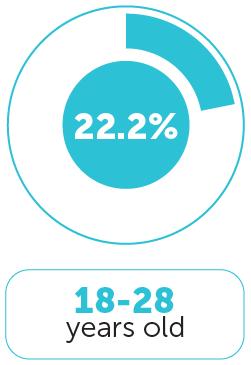
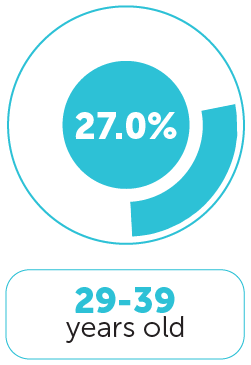
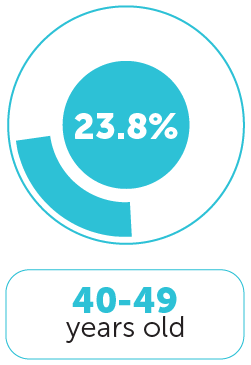
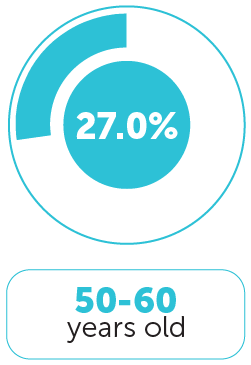
Figure 1(a)
Socio-demographic of the respondents
Education Distribution
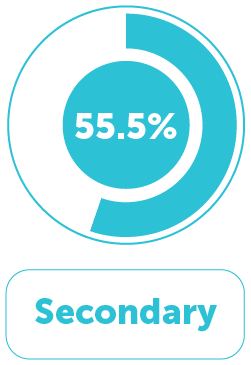
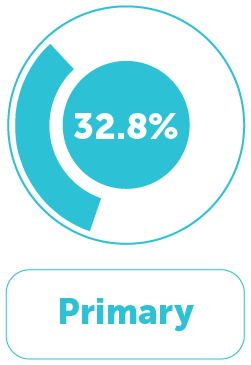
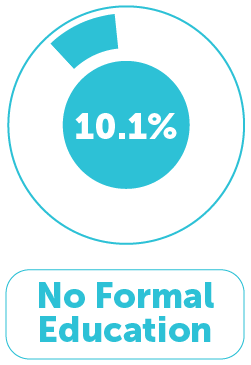
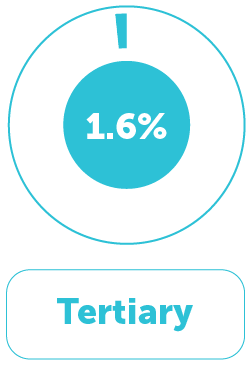
Figure 1(b)
Socio-demographic of the respondents
Occupation Distribution
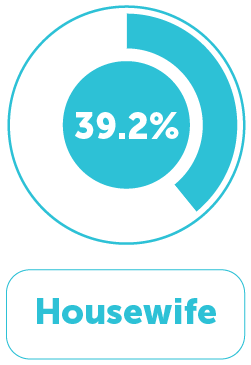
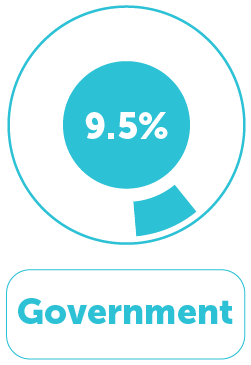
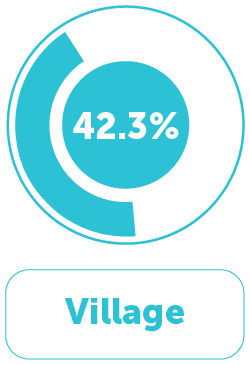
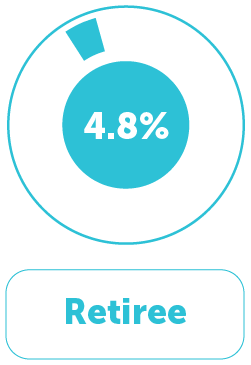
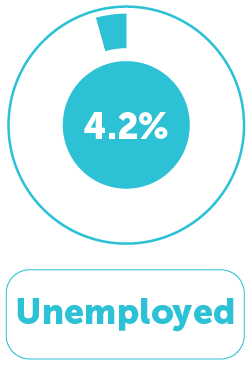
Figure 1(c)
Socio-demographic of the respondents
Income Distribution
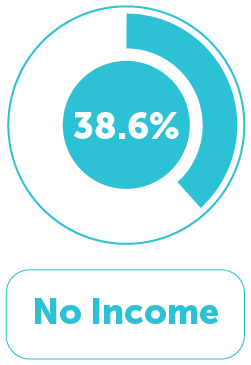
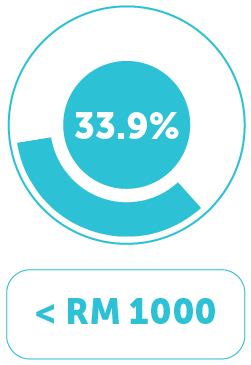
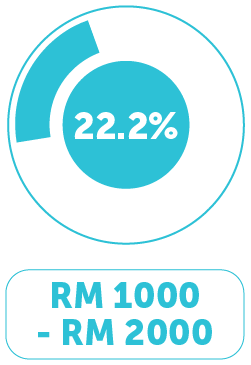
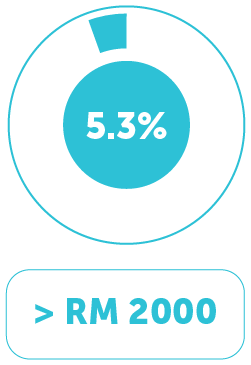
Figure 1(d)
Figure 1: Socio-demographic of the respondents.
Main Analysis
The combined analysis highlights several themes across all five research questions, revealing that while the BWA Internet service has brought substantial benefits in terms of connectivity and access to information, there are significant challenges related to accessibility, affordability, and digital literacy. The internet has the potential to enhance social interactions, behaviours, and economic activities, but these benefits are limited by technical issues and the lack of proper training. Expanding coverage, improving data affordability, and providing digital literacy programmes are critical steps to ensuring the internet can fulfil its potential for the Orang Asli and rural communities. This main data analysis meant to answer the five-research question which are:
i. Specific Research Question 1: What is the overall satisfaction and experience of Orang Asli and rural communities with the current Broadband Wireless Access (BWA) Internet services?
BWA Internet Satisfaction & Experience (RQ1)
-01.png)
Figure 2: BWA Internet Satisfaction & Experience (RQ1).
The findings in Figure 2 show that the experience of using Broadband Wireless Access (BWA) Internet among Orang Asli and rural communities is mixed. Two themes emerged from the analysis. In Theme 1: Mixed Satisfaction, some respondents shared positive experiences, saying the internet helped them stay in touch with family and made it easier to get information. However, others reported problems such as slow internet speed, frequent disconnections, and poor coverage in areas far from transmission points. These issues were common and made the internet unreliable at times. Meanwhile, in Theme 2: Accessibility Challenges, many households were found to have limited access to digital devices, and some family members especially the older generation lacked the skills to use the internet effectively. The younger generation actively uses the internet, mainly for chatting or entertainment. This shows that while the internet has brought some benefits, not everyone in the community is able to use it equally or fully.
ii. Specific Research Question 2a: What factors influence the Orang Asli and rural communities to participate in digital services and applications?
Socio-demographic of the respondents
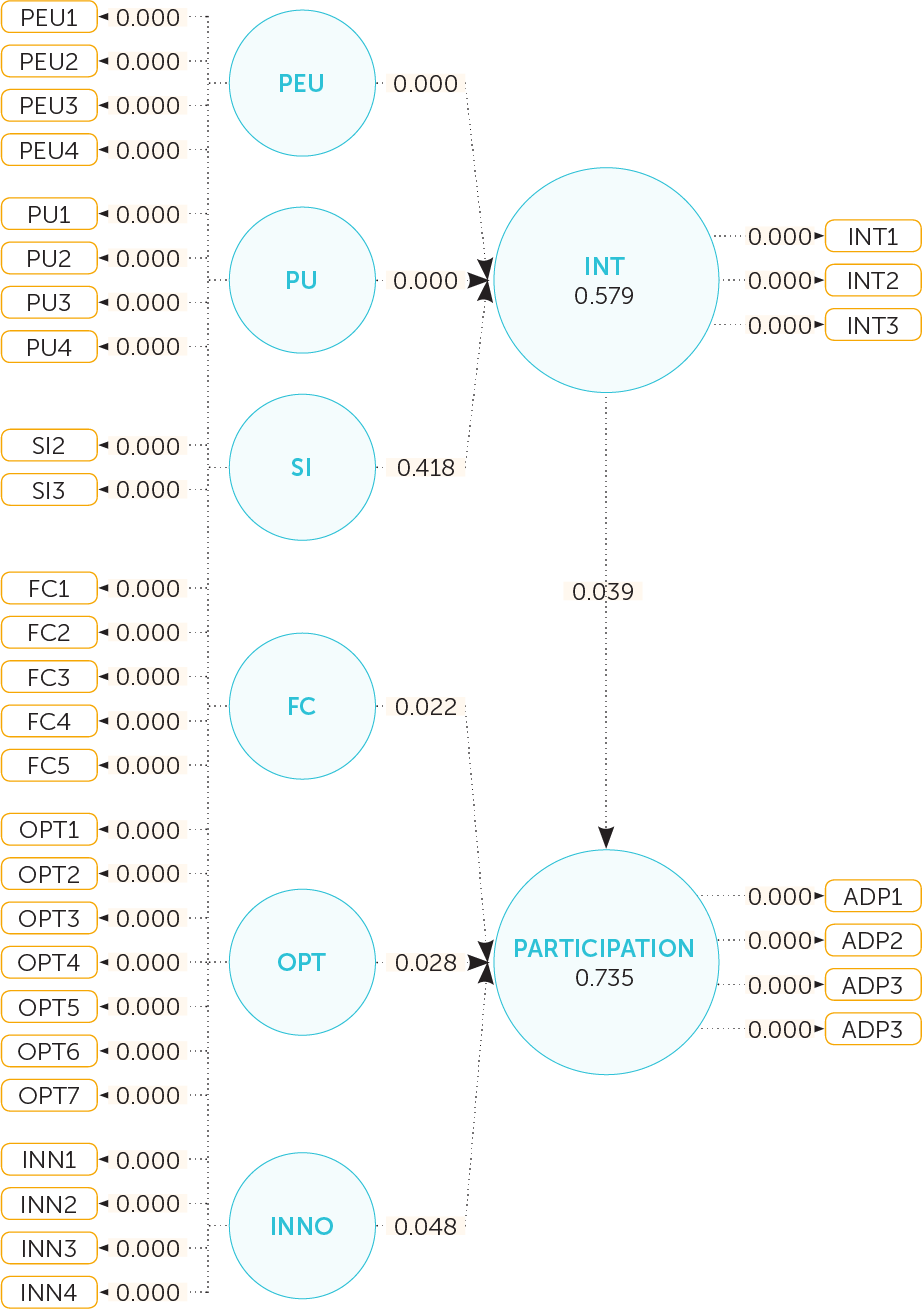
Figure 3: Structural Model Path Diagram.
Figure 3 depicted the structural model analysis that found four factors Facilitating Conditions, Innovation, Intention, and Optimism significantly and positively influence participation in digital services among the Orang Asli and rural communities. Specifically, Optimism and Innovation both play meaningful roles in encouraging digital use. Additionally, Perceived Ease of Use and Perceived Usefulness strongly affect people's intention to use digital services, while Social Influence was not found to have a significant impact. These results highlight that practical support, positive attitudes towards technology, and confidence in its usefulness are key to increasing participation. To boost digital engagement, efforts should focus on building trust, sharing success stories, and providing the necessary support and infrastructure.
iii. Specific Research Question 2b: What is the readiness level of Orang Asli and rural communities to participate in digital services and applications?
Figure 4 depicted the Technology Readiness Index (TRI) score of 3.1158 places the Orang Asli community in the moderate readiness category (2.90–3.51), showing a moderate willingness to adopt digital services and applications. This suggests they are generally open to using technology especially in terms of innovation and optimism but still face barriers such as limited exposure, infrastructure issues, costs, or uncertainty about the usefulness of digital tools in their daily lives.
Structural Model Path Diagram
Level of Readiness

Moderate Level of Readiness TRI score of 3.118
Figure 4: Technology Readiness Index.
iv. Specific Research Question 3a: How has implementing BWA Internet services affected the social interactions and behaviours of Orang Asli and rural communities?
BWA Internet Social Interaction & Behaviours (RQ3a)
-01.png)
Figure 5: BWA Internet Social Interaction & Behaviours (RQ3a).
The analysis found three themes (see Figure 5) which is Theme 1: Better Communication with Family, the internet has made it easier for villagers to stay in touch with family members who live in towns or cities. Many use video calls and messaging apps to keep connected, helping to reduce the distance between them. However, in Theme 2: Less Traditional Socialising it is found that some villagers, especially the younger ones, are spending more time indoors on their phones instead of joining community activities. This shows a change in how they socialise, with digital entertainment now taking the place of face-to-face interaction. On the other hand, in Theme 3: New Digital Habits, the internet has brought new habits into the community, like using social media, shopping online, and watching digital content. Young people are exploring platforms like Facebook, TikTok, and Shopee, which is helping them become more digitally literate.
v. Specific Research Question 3b: What are the economic impacts of BWA Internet services on the Orang Asli and rural communities?
BBWA Internet Economic Impacts (RQ3b)
-01.png)
Figure 6: BWA Internet Economic Impacts (RQ3b).
Three themes emerge from this analysis. Theme 1: Small but Growing Online Business Use, where some villagers have started using the internet to run small businesses, like selling handmade or natural products. However, not everyone is ready or has the skills and tools needed, which limits how much they can benefit from these opportunities. In Theme 2: Better Access to Market and Government Info: the internet has helped villagers especially those in farming to find useful information, like crop prices and government aid. This access supports better decision-making and helps them manage their work more effectively. Finally in Theme 3: Barriers to Economic Growth depicted that despite the benefits, many still face obstacles like poor internet coverage, expensive data plans, and low digital skills. These challenges prevent them from fully using the internet to improve their income or grow their businesses.
Recommendations
a) Improving Digital Inclusion Policies through infrastructure
Service providers must continue to innovate and tailor their services to meet the specific needs of rural communities, particularly the Orang Asli. One key area is affordable internet access. To overcome cost barriers, telco companies should collaborate with government agencies to introduce targeted subsidies and low-cost data packages designed specifically for these communities. Special plans with high value at lower prices, including zero-rated data for education, can help ensure that essential services remain accessible. These packages should be widely promoted through community outreach to raise awareness and encourage adoption. In addition, affordable or subsidized internet-ready devices such as smartphones, tablets, or laptops should be made available. Bundling these devices with data plans would allow for immediate connectivity, closing the gap in digital access. At the same time, improving network infrastructure in rural areas is crucial. Reliable and high-quality internet coverage must be extended to all locations, including remote and hard-to-reach areas. A proactive approach is needed to ensure that both existing and future infrastructure remains beneficial. To achieve this, broader use of public funds and strategic planning must be implemented to support the development of a robust telecommunications network. Policymakers should prioritise rural connectivity within national development agendas and allocate sufficient resources. Furthermore, state governments, agencies, and local authorities must work to reduce bureaucracy in approving infrastructure projects. This aligns with National Key Result Area (NKRA) 5, which aims to enhance infrastructure in rural and remote regions, ensuring no community is left behind in the digital age.
b) Supporting Digital Literacy and Skills Training
To support digital inclusion among the Orang Asli and rural communities, a comprehensive and sustainable approach is needed. This includes developing community-based digital literacy programmes that teach practical internet skills for all age groups, covering areas such as e-commerce, online education, digital banking, and cybersecurity. Selected individuals as "Change Champion" can be trained and certified through initiatives like MDEC's Digital Skills Training Directory or HRD Corp's programmes, covering basic ICT skills, internet troubleshooting, and e-government services. These individuals will serve as Community Digital Champions, acting as local digital mentors. To encourage participation, champions should receive monthly allowances, digital toolkits (like mobile devices or Wi-Fi), and work closely with schools and community centres to promote digital use. They will also gather feedback from the ground to help improve digital policies and services. To ensure long-term impact, the role of digital champions should be formalized under JAKOA-led community committees, with opportunities for further training, mentoring roles, and employment in digital outreach, helping to build a resilient and empowered digital community which indirectly will achieve NKRA 3 which is meant to expand access to quality education at a reasonable cost.
c) Addressing Socioeconomic Disparities
To support NKRA 4 in improving the living standards of low-income groups such as the Orang Asli and rural communities, the government must promote digital entrepreneurship and inclusive economic participation. This can be done by providing financial aid, tools, and training to help rural entrepreneurs and micro-businesses build and grow their online presence. Micro-grants can support activities like registering on e-commerce platforms, buying mobile devices or POS systems, and adopting basic digital tools. Capacity-building workshops should focus on practical skills such as product photography, social media marketing, and setting up digital payment systems, delivered through partnerships with EdTech firms, universities, and agencies like JAKOA and MDEC. Community-based digital business incubators can be established within internet centres to offer shared workspaces, internet access, and advisory support. A mentorship programme should also be introduced to connect experienced indigenous entrepreneurs with newcomers, using real success stories to inspire others. Additionally, online education initiatives tailored to rural needs featuring localised content and culturally relevant modules which should be rolled out to enhance skills and self-sufficiency, bridging both digital and economic gaps in underserved communities.
CONCLUSION
This research has illuminated both the benefits and persistent challenges associated with Broadband Wireless Access (BWA) Internet services in Orang Asli and rural communities in Malaysia. While significant improvements in communication, access to information, and emerging economic opportunities were evident, the digital divide persists due to infrastructural inadequacies, affordability issues, and limited digital literacy. The mixed satisfaction among users underscores the necessity for robust infrastructure and reliable connectivity, particularly during adverse weather conditions and in remote areas. Accessibility issues also highlight the critical need for affordable devices and tailored digital literacy programmes, especially among older community members who remain digitally excluded.
Socially, while enhanced digital communication has positively impacted family relationships and social engagement, the increased preference for online activities among youth poses challenges to traditional community interactions and cohesion. Economic findings emphasised both the potential and limitations of digital platforms, with notable barriers preventing communities from fully leveraging digital economic opportunities.
To effectively bridge the digital divide, policymakers and regulators must prioritise targeted interventions as outlined in this study's recommendations. These include subsidies for internet and device affordability, stringent regulations on service quality, strategic infrastructure investment through public-private partnerships, and comprehensive digital literacy programmes. Implementing these measures will facilitate the holistic inclusion of Orang Asli and rural communities into the digital economy, fostering greater socioeconomic development and equity across Malaysia.
Ultimately, achieving meaningful digital inclusion requires sustained commitment from multiple stakeholders, including government bodies, private enterprises, and local communities, to create an inclusive digital future benefiting all Malaysians.
References
Abdul Rahman, S., Mohd Noor, N. A., & Ismail, Z. (2024).
Electricity gaps and device poverty: Overlooked barriers in Malaysia's Orang Asli digital policies. Technology in Society, 66, 102398. https://doi.org/10.1016/j.techsoc.2023.102398
Alampay, E., & Soriano, C. (2022).
Assessing digital inclusion programmes in developing Asia: A capability approach. Information Technologies & International Development, 18(1), 1-18. https://doi.org/10.1162/itid_a_00045
Belo, P., Ferreira, P., & Telang, R. (2021).
Broadband in school: Impact on student performance. Information Systems Study, 32(3), 807-827. https://doi.org/10.1287/isre.2020.0976
Bresnahan, T., Brynjolfsson, E., & Hitt, L. M. (2023).
Information technology, workplace organization, and the demand for skilled labor. Journal of Labor Economics, 41(2), 333-361. https://doi.org/10.1086/723585
Choudrie, J., Pheeraphuttharangkoon, S., & Zamani, E. (2023).
Evaluating national broadband plans in ASEAN: A digital ecosystems perspective. Government Information Quarterly, 40(2), 101765. https://doi.org/10.1016/j.giq.2022.101765
Cueva, M., Kuhnley, R., Lanier, A., Dignan, M., Revels, L., Schoenberg, N., ... & Cueva, K. (2016).
Promoting culturally respectful cancer education through digital storytelling. International Journal of Indigenous Health, 11(1), 34-49. https://doi.org/10.18357/ijih111201616013
Ferreira, M., & Cruvinel, F. (2023).
Digital champions as cultural brokers: Lessons from Brazil's Telecentros programme. Information Technologies & International Development, 19(1), 1-18. https://doi.org/10.1162/itid_a_00052
Forman, C., Goldfarb, A., & Greenstein, S. (2022).
How does broadband affect rural economic growth? American Economic Journal: Applied Economics, 14(1), 298-335. https://doi.org/10.1257/app.20200234
Gigler, B.-S., Bailur, S., & Anand, N. (2022).
Closing the feedback loop: Can technology amplify citizen voices in governance? World Bank Study Observer, 37(1), 1-30. https://doi.org/10.1093/wbro/lkab006
Hassan, M. S., Rahman, T. A., & Jamaluddin, M. N. (2023).
Geographical and infrastructural barriers to broadband deployment in rural Malaysia. Telecommunications Policy, 47(4), 102521. https://doi.org/10.1016/j.telpol.2023.102521
Hussin, N. H., Ismail, R., & Ahmad, T. (2023).
Beyond infrastructure: Cultural barriers to digital inclusion among Malaysia's Orang Asli. New Media & Society, 25(4), 901-920. https://doi.org/10.1177/14614448221137215
Ismail, Z., & Ahmad, T. (2024).
Policy challenges in bridging Malaysia's digital divide: Regulatory and implementation gaps. Technology in Society, 66, 102387. https://doi.org/10.1016/j.techsoc.2023.102387
Price, L., Deville, J., & Ashmore, F. (2021).
A guide to developing a rural digital hub. Local Economy the Journal of the Local Economy Policy Unit, 36(7-8), 683-694. https://doi.org/10.1177/02690942210775/5
Prieger, J. E. (2022).
The broadband digital divide and the benefits of mobile broadband for minorities. Telecommunications Policy, 46(5), 102347. https://doi.org/10.1016/j.telpol.2022.102347
Rahim, N. A., Ismail, R., & Said, R. (2023).
Affordability and adoption of broadband services among low-income households in rural Malaysia. Journal of Rural Studies, 97, 432-441. https://doi.org/10.1016/j.jrurstud.2022.12.005
Randell-Moon, H., & Hynes, D. (2022).
'Too smart': Infrastructuring the Internet through regional and rural smart policy in Australia. Policy & Internet, 14(1), 151-169. https://doi.org/10.1002/poi3.286
Ranganathan, R., & Rodrigues, U. (2023).
From infrastructure to empowerment: Evaluating Digital India's mixed outcomes. World Development, 161, 106128. https://doi.org/10.1016/j.worlddev.2022.106128
Sui, W., & Facca, D. (2020).
Digital health in a broadband land. Health Science Inquiry, 11(1), 140-143. https://doi.org/10.29173/hsi294
Tahmasebi, F. (2023).
The digital divide: a qualitative study of technology access in rural communities. aitechbesosci, 1(2), 33-39. https://doi.org/10.61838/kman.aitech.1.2.6
Tan, C. W., & Lim, S. H. (2022).
Economic feasibility of rural broadband expansion in Southeast Asia: A case study of Malaysia. Information Economics and Policy, 58, 100945. https://doi.org/10.1016/j.infoecopol.2021.100945
Tan, C. Y., & Ng, K. H. (2024).
Participatory design for indigenous digital inclusion: Lessons from East Malaysia. Information Development, 40(1), 78-95. https://doi.org/10.1177/02666669231167822
Townsend, L., Sathiaseelan, A., Fairhurst, G., & Wallace, C. (2013).
Enhanced broadband access as a solution to the social and economic problems of the rural digital divide. Local Economy the Journal of the Local Economy Policy Unit, 28(6), 580-595. https://doi.org/10.1177/0269094213496974
Wong, S. F., Tan, K. S., & Ooi, K. B. (2024).
Bridging the digital divide in Malaysia: Policy outcomes and unintended consequences of JENDELA. Telecommunications Policy, 48(1), 102634. https://doi.org/10.1016/j.telpol.2023.102634