
TOPIC
04
Free-To-Air Channel: Uses, Motivation and Gratifications of Users in the Southern Region of Peninsular Malaysia
LEAD RESEARCHER
Dr. S Maartandan Suppiah
UNIVERSITI UTARA MALAYSIA
TEAM MEMBERS
Assoc. Prof. Dr. Mohd Khairie Ahmad
UNIVERSITI UTARA MALAYSIA
Dr. Norhayati Binti Mohamad Hussain
UNIVERSITI UTARA MALAYSIA
Dr. Nur Shazana Binti Abdul Rani
UNIVERSITI TEKNOLOGI MARA
Abstract
The media landscape has undergone substantial transformations in recent years, with digitalisation, streaming platforms, and on-demand content altering traditional broadcasting dynamics. Despite these changes, Free-To-Air channels continue to hold their ground, catering to a wide spectrum of viewers, each with their unique preferences, motivations, and expectations. Understanding the dynamics behind the viewership and engagement with these channels is crucial not only for broadcasters but also for media scholars and policymakers seeking to comprehend the evolving patterns of media consumption. Using uses and gratification theory as the framework, this quantitative research probes into the consumption patterns of Free-To-Air (FTA) television (TV) in Peninsular Malaysia’s Southern Region, focusing on usage patterns, audience satisfaction, demographic profiles, content preferences, and recommendations for promoting FTA TV viewership. This study examines the usage patterns of FTA TV, which revealed a predominant preference for the connectivity of Digital Terrestrial TV among the audience to narrow the country’s digital divide, allowing equal access to information with FTA TV broadcasting services. Despite a surge in digital consumption globally, this finding indicates a regional inclination towards established broadcast methods, although a shift towards digital platforms is slowly becoming evident. In assessing the gratification levels, the research found high levels of satisfaction with the content provided by FTA TV. Viewers particularly valued local show content, underscoring the importance of culturally relevant programming. The demographic analysis illuminated a majority viewership of Malays aged between 35 to 44 years, predominantly Muslim, who prefer locally resonant content. A significant portion of this audience is from rural areas, highlighting the need for content that caters to their lifestyle and cultural identity. This research suggests that FTA broadcasters should prioritise local content development, enhance digital platform accessibility, offer diversified content, and optimise programme scheduling during peak viewing times. Engaging with the B40 community through relevant content and providing affordable advertising opportunities for local businesses emerged as strategic imperatives. The take-up rate of FTA TV and MYTV, reflecting the number of households embracing FTA television, points to a robust viewership. However, opportunities for growth remain, particularly in adapting to digital trends and expanding content offerings to cater to a younger demographic.
Keywords: Broadcasting, Uses and Gratifications, Free-To-Air Televisions, Media
Introduction
In the dynamic landscape of media consumption, the role of Free-To-Air channels has been a cornerstone of broadcasting for decades (Lotz, 2014). These channels, accessible to audiences without direct subscription fees, have significantly shaped the way people engage with television content. This study delves into the area of Free-To-Air channels, focusing specifically on the Southern Region of Peninsular Malaysia. By examining the uses, motivations, and gratifications of users within this geographical context, this study aims to gain a comprehensive understanding of the impact and significance of these channels in an ever-evolving media environment.
The media landscape has undergone substantial transformations in recent years, with digitalisation, streaming platforms, and on-demand content altering traditional broadcasting dynamics. Despite these changes, Free-To-Air channels continue to hold their ground, catering to a wide spectrum of viewers, each with their unique preferences, motivations, and expectations. Understanding the dynamics behind the viewership and engagement with these channels is crucial not only for broadcasters but also for media scholars and policymakers seeking to comprehend the evolving patterns of media consumption.
The Southern Region of Peninsular Malaysia provides a particularly intriguing backdrop for this study due to its diverse population, cultural richness, and unique media consumption habits. Exploring the motivations that drive individuals in this region to choose Free-To-Air channels over alternative media sources will shed light on the role these channels play in their lives.The completion of Malaysia’s National Digitalisation Broadcasting Project marked a significant shift from analogue to digital TV broadcast, utilising the DVB-T2 digital format on 31 October 2019 (Ahmad et al., 2023). This transition offers numerous benefits, such as improved image quality, enhanced audio, HD television, and interactive possibilities. Additionally, digital TV provides a broader channel selection and the potential for regional content delivery. This research aims to assess FTA TV viewership on digital platforms to measure digital TV adoption, especially in bridging the digital divide between urban and remote areas.
Building on previous research in Sabah, Sarawak, the East Coast Region, and the Northern Region, this research seeks to extend the understanding of audience behaviour in the Southern Region of Peninsular Malaysia. While MCMC already possesses television audience data from a third-party research firm for certain parts of Peninsular Malaysia, this study aims to expand coverage to the Southern Region. By investigating the motivations that lead audiences to engage with digital TV, this study contributes to a comprehensive understanding of content preferences and viewer behaviour. Ultimately, the findings will provide insights for broadcasting development, content provision, and the creation of targeted regional content. This study addresses the need for comprehensive insights into digital TV usage patterns and motivations, particularly in the Southern Region, to inform effective broadcasting strategies and regional content creation.
Research Objective
To identify the usage pattern of FTA TV among the audience in the Southern Region.
To identify the gratification level of FTA TV among audiences in the Southern Region.
To identify the demographic profile of the audience and content preference.
To provide recommendations to promote FTA TV viewership and positive responses to content and advertising amongst users.
To find out the take-up rate of FTA TV among audiences in the Southern Region of Malaysia.
Literature Review
FREE-TO-AIR TELEVISION
Free-To-Air (FTA) television: “Free-To-Air” or terrestrial television refers to broadcasting that is transmitted over the airwaves and received by households through antennas (Menezes & de Quadros Carvalho, 2009). This type of broadcasting is typically free of charge to viewers and does not require a subscription or payment. The initiation of Malaysia’s FTA television landscape began in 1963 with the government’s launch of the first FTA news channel, followed by another government-owned FTA channel in 1969 (Malaysia in View, 2019). Subsequently, in 1984, the private sector entered the scene with the introduction of TV3. In line with Malaysia’s National Digitalisation Broadcasting Project, MCMC completed the Analogue Switch Off (ASO) of terrestrial FTA broadcasts on 31 October 2019, with all Malaysian television broadcasts switched to digital TV (DTV) using the DVB-T2 (Digital Video Broadcasting – Second Generation Terrestrial) digital format. MYTV Broadcasting Sdn. Bhd. serves as the Common Integrated Infrastructure Provider responsible for deploying and maintaining Digital Terrestrial TV infrastructure that carries FTA TV channels in Malaysia. This platform was formerly branded as myFreeview and is now commonly referred to as MYTV.
Thomas (2001) noted that shifts in revenue streams is expected, driven by changing consumer behaviours and the digital transition. Consumers now prioritise services over goods and emphasises the growing value of attention, prompting existing broadcasters to adapt and ensure accessible content to maintain relevance.
UNDERSTANDING USAGE PATTERN OF FTA TV
Understanding usage patterns in the context of media consumption trends is crucial for several reasons. For example, content scheduling and strategy, where media organisations can optimise content scheduling based on peak usage times, ensuring that their most valuable programming reaches the widest audience. This can lead to increased advertising revenue and viewer engagement (Hujanen, 2002; Webster & Wakslag, 1983). Furthermore, knowing when audiences are most active allows media companies to allocate resources efficiently, such as staffing, promotional efforts, and technical support, to ensure a seamless viewing experience during peak times (Chen & Xie, 2008). Moreover, analysing usage patterns helps media organisations tailor their offerings to match viewer preferences, therefore enhancing engagement and loyalty (Vorderer, Klimmt, & Ritterfeld, 2004). Understanding the pattern can also help advertisers to strategically place their ads during high-traffic periods, maximising the reach and impact of their messages (De Bruyn & Lilien, 2008). Concurrently, understanding usage patterns can help broadcasters determine the viability of introducing new programming, genres, or formats that cater to specific time slots or days of the week (Lotz, 2014; Kraidy, 2009). Finally, by providing content that aligns with viewer preferences during specific times, broadcasters can enhance viewer satisfaction and overall viewing experience (Oliver, 2014).
Relating this to the research on FTA TV, investigating usage patterns in the context of Free-To-Air television is essential to comprehend audience behaviours and preferences. Such research can unveil optimal scheduling for maximising viewership and advertising revenue, ensure resource allocation efficiency during peak periods, and inform tailored content creation to engage and retain viewers. Moreover, understanding usage patterns can guide strategic ad placement and aid in diversifying programming to cater to specific time slots. Ultimately, research into FTA TV usage patterns can significantly contribute to enhancing viewer satisfaction and the overall television experience.
USES AND GRATIFICATIONS THEORY
The Uses and Gratifications theory (U&G) has been widely and commonly used to describe the relationship of media and people (its audiences). Before the emergence of this theory, studies of mass communication leaned towards the effect of media exposure on audiences, perceived the audience as easily influenced and are in no position to form their own opinions (Windahl & McQuail, 1993). The focus shifted towards studying what people do with media instead of its impact (Katz, Blumler, & Gurevitch, 1974; O’Donohoe, 1994; Rubin, 2002). For example, an audience that has a need for information will choose the media that will be able to gratify this need in a satisfactory manner. Therefore, the main idea of this theory is that audiences are rational and goal-directed in their media choices and will choose different types of media to fulfil diverse needs (Katz et al., 1974; Rubin, 1983). Since then, this theory has been applied to various forms of mass media and media content; progressing concurrent with emerging media.
The researchers mainly study traditional media such as radio, newspaper and television from 1940s until the emergence of newer media in late 1990s. U&G began in the 1940s when researchers became interested in why audiences engaged in various forms of media behaviour, such as listening to the radio or reading the newspaper (Wimmer & Dominick, 2013; Ruggiero,2000). Ruggiero (2000) claims that early U&G researches were primarily descriptive and seek only to classify the responses of audience members into meaningful categories. McQuail (1984) mentioned that U&G studies during this era had simply and straightforwardly interested in the power of popular media and how they capture the attention of its audiences.
MEDIA GRATIFICATION THROUGH FTA TV
Applying the principles of U&G theory to the domain of Free-To-Air (FTA) television viewing allows us to dissect the multifaceted motivations and gratifications that viewers seek from this specific medium. As Rubin and Step (2000) posit, perceived gratifications of television viewing encompass a wide range of factors, such as information acquisition, emotional release, social interaction, and personal identity expression. In the case of FTA TV, viewers may turn to this medium for diverse reasons. For instance, individuals seeking news updates might find gratification in accessing real-time information on local and global events. Similarly, the emotional connection that viewers establish with characters and narratives in their favourite programmes could offer an avenue for emotional release and connection, aligning with U&G’s emphasis on psychological needs fulfilment (Nabi, Stitt, Halford, & Finnerty, 2006).
Palmgreen, Wenner, and Rosengren’s (1985) review emphasises that media consumption gratifications are influenced by sociocultural factors and contextual circumstances. In the context of FTA TV, demographic profiles and content preferences are likely to shape usage patterns and gratifications. U&G theory’s application to FTA TV consumption could illuminate how factors like age, gender, socioeconomic background, and geographical location influence the choice of programmes, viewing times, and the derived gratifications. By conducting research to identify the demographic profile of the audience and their content preferences (as outlined in the research objectives), researchers can uncover how different groups derive distinct gratifications from FTA TV. This nuanced understanding could further inform content creation, scheduling strategies, and promotional efforts, enabling media organisations to tailor their offerings to resonate with specific viewer segments.
In summary, applying the U&G theory to the domain of FTA television unveils a rich tapestry of motivations and gratifications that drive audience engagement in diverse context of Malaysia. This lens enables researchers to delve into the complexities of viewer behaviours, uncovering how socio-psychological needs, demographic factors, and content preferences interplay to shape consumption patterns. As FTA TV continues to evolve in the digital age, leveraging U&G theory provides media professionals with actionable insights to enhance content offerings, optimise scheduling strategies, and foster greater engagement with audiences seeking diverse and personalised gratifications from their television experience.
METHODOLOGY
RESEARCH METHOD
This research employed quantitative methods to address the research questions. Specifically, this study utilised survey research. The choice of research survey is well suited for achieving the objectives of this research, which is to identify the usage pattern; gratification level; demographic profile of the audience and content preference of FTA TV among audiences; to provide recommendations to promote FTA TV viewership and positive responses to content and advertising amongst users.
INSTRUMENTATION
This study employs two (2) sets of questionnaires: one (1) targeting the FTA TV users in the Southern Region of Peninsular Malaysia, and another targeting SME owners in the Southern Region of Peninsular Malaysia.
Questionnaire 1 aims to answer research questions 1, 2 and 3 which will involve the general user of FTA TV in the Southern Region. The questionnaire is adapted from Ahmad, Abu Sujak, and Raja Razali (2023) items from Media Matters Vol. 5 report.
The questionnaire uses a 5-point Likert Scale and translated into Bahasa Melayu for ease and familiarity of the respondents. The questionnaire consists of 4 sections:
Survey 1 (Users of FTA TV in the Southern Region)
Section 1: Usage Pattern
- Frequency
- Content/channel preference
Which types of content do you most frequently watch on television?
- News and Current Affairs
- Dramas and Soap Operas
- Movies
- Sports
- Documentaries
- Children’s Shows
- Educational Programmes
- Other, please specify: __________
Do you have a favourite channel or channels that you watch regularly on MYTV?
- Yes
- No
- If yes, please specify: __________
- Advertisement preference
Section 2: Adoption of MYTV
- Ease of installation
- Decision making
- Availability of technical support
- User experience
- Content availability
Section 3: Motivational Factors
- News
- Entertainment
- Education
- Communication
- Socialising
- Information search
- Rest
- Boredom
- Access to material
- Easy of access
- Product information
- Technical information
- Release emotional pressure
Gratification Level
- Satisfaction towards FTA
- Fulfilling entertainment needs
- Fulfilling informational needs
- Feeling emotionally connected
Reasons for adopting FTA TV (Pull factors)
- Affordability
- Content availability
- Ease of access
- Local content
- User experience
Reasons for considering other platforms (Push factors)
- Limited content
- Quality concerns
- Subscription offers from other subscription-based services.
- Word-of-mouth
- Multi-platform availability
Section 4: Alternative platforms other than MYTV
Do you use any alternative platforms for watching television when not using MYTV? (Yes/No)
What motivates you to use these alternative platforms? (Select all that apply)
- Content variety
- Content exclusivity
- User interface
- Technical quality (e.g., fewer disruptions, better picture quality)
- Cost
- Other (Please specify): __________
How often do you use these alternative platforms as compared to MYTV?
If you have multiple options available, how do you decide which platform to use for specific types of content (e.g., news, entertainment, educational)?
- Content type drives the choice
- Platform promotions or discounts
- Recommendations from friends/family
- Habitual or default choice
- Other (Please specify): __________
Section 5: Users profile
Do you use any alternative platforms for watching television when not using MYTV? (Yes/No)
What motivates you to use these alternative platforms? (Select all that apply)
- Age
- Gender
- Occupation (e.g.:)
- Monthly household income (e.g.:)
- Ethnicity
- Place of residence (urban/rural)
Meanwhile, Questionnaire 2 consists of similar items from Questionnaire 1 with the additional designed items for SMEs. It aims to answer research question 4 which involves the SME owners who are one (1) of the users of FTA TV in the Southern Region, specifically from the point of view of possible advertiser. The questionnaire includes some open-ended questions to stimulate more responses from the SME owners on their responses to promote FTA TV viewership and positive responses to content and advertising amongst users. Questionnaire 2 has five (5) additional sections:
Survey 2 (SME Owners in the Southern Region)
Section 1: Enhancing FTA TV Viewership and Advertising
- Familiarity with FTA and its potential for advertising
- The role of FTA in promoting products
- Engaging approach to local audience
Section 2: Content and Advertising Preferences
- Content placement for effective advertising (e.g.:)
- When considering FTA TV, which type of content do you believe resonates best with local audiences for effective advertising? (News and Current Affairs, Entertainment and Dramas, etc…)
- Advertising format that captures FTA TV viewers (e.g.: short and catchy commercials, sponsorship messages within programmes, collaborative contents with local influencers etc…)
- Factors to enhance engagement with local audiences.
Section 3: Strategies for Enhancing Advertisements Engagement
- Effective time slots
- Alignment with genre of programme it is placed with
- Digital strategies to enhance engagements
Section 4: Budgeting and Resource Allocation
- Programmes of FTA TV that are most worth it for advertising investment (e.g.: news, entertainment, educational)
- Factors influencing budget allocation for FTA TV advertising
- Budget for advertising in FTA TV
Section 5: Demographic Profile
- Industry/sector
- Years in operation
- Number of employees
- Location (urban/rural)
- Open Ended Questions
Sampling and Participants
The population of this research is the users of FTA TV including the general users or public and SMEs in the Southern Region in Malaysia, specifically includes Johor and Melaka. According to Cavana, Delahaye, and Sekaran (2003); Krejcie and Morgan (1970), for a large population, the minimum sample size of 367 is appropriate for research, with an acceptable margin of error of ±5% (Salkind, 1997). The respondents of the study will be identified using simple random sampling, so that every respondent will have an equal chance to participate in the survey. The list of general users of FTA TV obtained using local community groups through social media, such as (https://www.facebook.com/SayaOrangJohor/?locale=ms_MY); and through physical visit to the local community joining the roadshows conducted by MYTV. For the SMEs, the responses were obtained through SMEs programmes organised by Majlis Amanah Rakyat (MARA).
The representative number of respondents from each state in relation to the total number of 367 respondents and their respective populations are as follows:

Johor
263
respondents
Melaka
104
respondents
SMEs
61
respondents
Data Collection
For general users of FTA TV or public, the questionnaire distributed online and some face-to-face distribution (via MYTV roadshows). The local online communities identified and questionnaire distributed. Through Google Form of self-administered questionnaires, responses collected. For the SMEs owners, MARA (Majlis Amanah Rakyat) branches in each state (Pejabat MARA Negeri) approached to get the information on their programmes involving SME business owners. Based on the information provided, the researchers distributed questionnaires to SME business owners during the programme to collect their responses.
During the programme, the researcher conducted a short briefing and sought the consent of all the respondents. Next, the researcher distributed the consent form to the respondents before distributing the questionnaires. The respondents were given sufficient time to fill in the questionnaires. The researcher guided the respondents (especially during face-to-face distribution) through the questions.
Data Analysis
Data collected from the general users and SME owners was compared and analysed. With these, the researchers are able to understand the uses, gratifications, motivations and preference of general users and SME owners in detail which is a form of validation. The collected data underwent thorough analysis using statistical techniques. Descriptive statistics, including measures like frequencies, percentages, and means, employed to gain insights into the distribution and central tendencies of responses across different sections and questions. Additionally, cross-tabulations conducted to examine potential connections between demographic factors and participants' responses. To address the research questions and achieve the defined objectives, inferential statistical methods employed. The Statistical Package for the Social Sciences (SPSS) software was utilised to facilitate these analyses, ensuring accurate and comprehensive examination of the collected data.
Findings and Analysis
USAGE PATTERN OF FTA TV AMONG THE AUDIENCE IN THE SOUTHERN REGION
Figure 1 showed the responses of 367 users towards the preferred types of content. Data indicated that 55.3 per cent of respondents preferred drama, 49 per cent preferred news, 49 per cent preferred movie, 48.2 per cent preferred documentary and 45 per cent preferred sports.
Preferred Content Watched on MYTV

Figure 1: Preferred Content Watched on MYTV
The data in Figure 2 shows the information related to how often the 367 respondents watch MYTV (formerly known as myFreeview). The information indicates that the 218 (59.4 per cent) respondents watch MYTV (myFreeview) every day. 40 (10.9 per cent) respondents watch MYTV (myFreeview) 2 to 3 times a week and once in 2 - 3 days. Thus, it showed that MYTV (myFreeview) is regularly watched by the users in the Southern Region.
Amount of Time

Figure 2:Amount of Time.
ADOPTION OF MYTV
This study analysed the factors that influence users’ MYTV adoption. Five (5) factors are explored; ease of installation, decision making, availability of technical support, user experience and content availability.
The data indicated that out of 349 respondents, 202 (55.6 per cent) respondents indicated that they need technical support to install MYTV (myFreeview). 147 (44.4 per cent) respondents indicated that they do not need technical support to install MYTV (myFreeview). This indicates that audience in Southern Regions requires technical support to install MYTV (myFreeview). The information is presented in Figure 3 below.
Ease of Installation

Figure 3: Ease of Installation.
MOTIVATIONAL FACTORS
The data indicates that the 165 (43.3 per cent) respondents using MYTV (myFreeview) because of the content availability. Secondly, 112 (30 per cent) respondents using MYTV (myFreeview) because of wide coverage. 52 respondents (13.4 per cent) choose MYTV because of ease of installation. Thus, content availability and wide coverage are the factors that influence users of MYTV (myFreeview) in the Southern Region. The bar chart (Figure 4) below shows the factors that motivate users to watch MYTV.
Motivational Factors
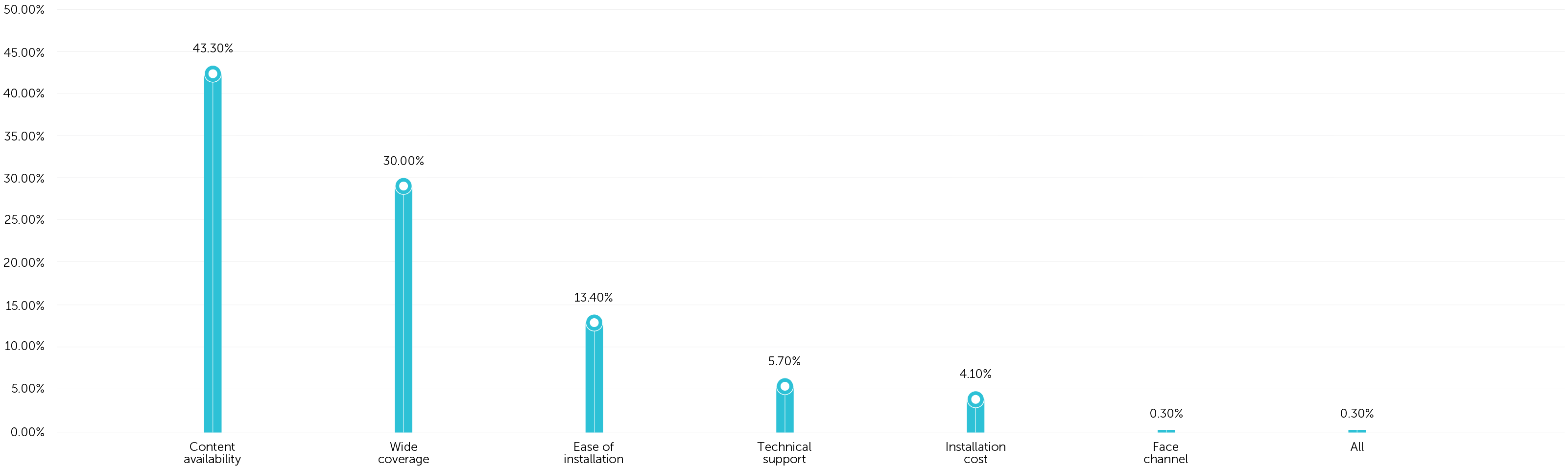
Figure 4: Motivational Factors.
THE GRATIFICATION LEVEL OF FTA TV AMONG AUDIENCES IN THE SOUTHERN REGION
Figure 5 shows the information of the 367 respondents’ satisfaction towards the broadcast content of the FTA TV channels on MYTV (myFreeview). It shows that 222 (60.5 per cent) are satisfied with the broadcast content of the FTA TV channels on MYTV (myFreeview). 71 (19.3 per cent) respondents are neutral towards the broadcast content of the FTA TV channels on MYTV (myFreeview) and 53 (14.4 per cent) respondents are strongly satisfied with the broadcast content of MYTV. Thus, it shows that the users in the Southern Region are satisfied towards the broadcast content of the FTA TV channels on MYTV (myFreeview).
Satisfaction with Broadcast Content
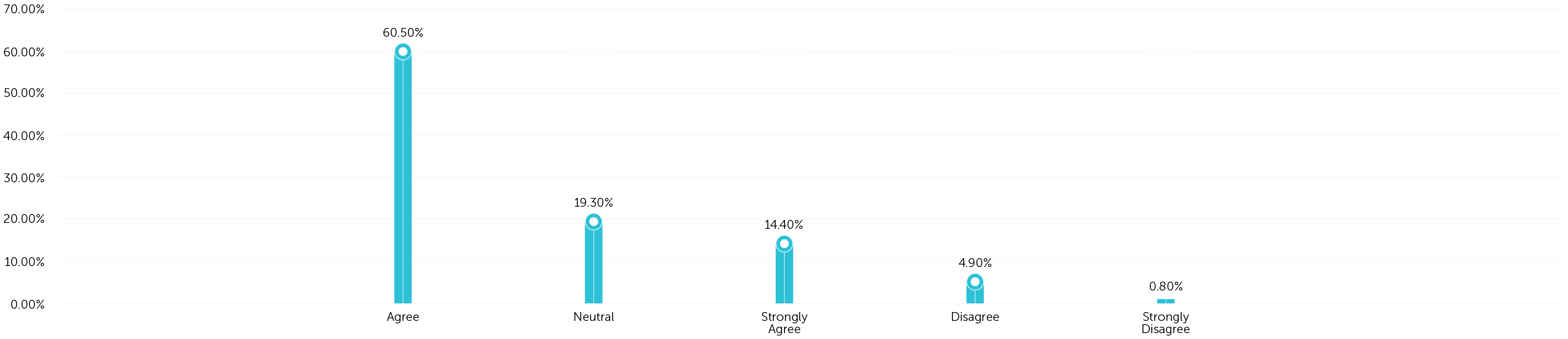
Figure 5: Satisfaction with Broadcast Content.
Figure 6 presents the information pertaining to the 367 respondents on the question of the type of shows that the users often watch on the MYTV Mana-Mana free streaming platform. 133 (36.3 per cent) respondents have indicated documentaries as the types of programmes that they frequently accessed on MYTV Mana-Mana and the 132 (35.7 per cent) respondents have indicated movie as second most frequent type of programmes that they accessed on MYTV Mana-Mana.
Types of Programmes Watched Most Often on MYTV Mana-Mana
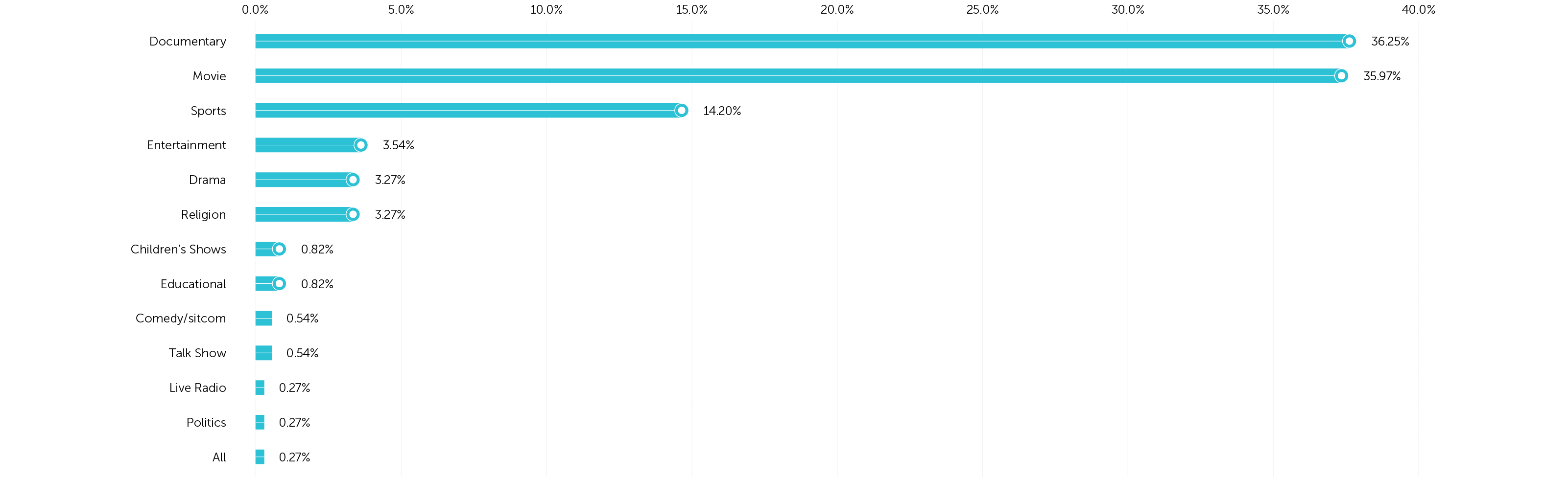
Figure 6: Types of Programmes Watched Most Often on MYTV Mana-Mana
Figure 7 below presents the information of the respondents’ experience using MYTV. 216 (58.9 per cent) respondents agree that they had good experience using MYTV (myFreeview). 57 (15.5 per cent) respondents strongly agree that they had a very good experience using MYTV (myFreeview). 52 (14.2 per cent) respondents are neutral towards the question. This shows that the audience in the Southern Region have positive experience using MYTV (myFreeview).
Satisfaction using MYTV
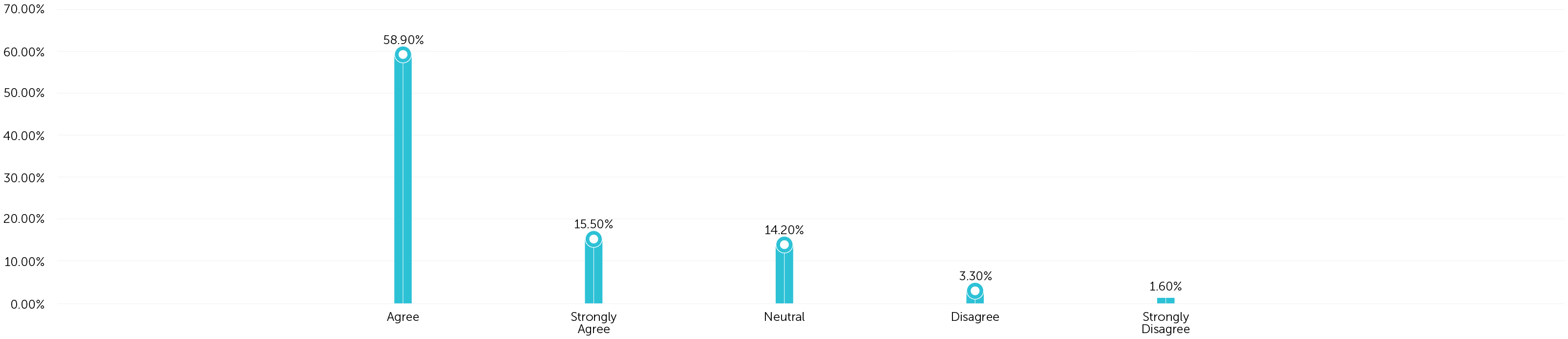
Figure 7: Satisfaction using MYTV
Figure 8 presents the information of the respondents’ amount of time watching MYTV (myFreeview). 159 (43.3 per cent) respondents spend time 4 to 6 hours watching MYTV (myFreeview), 121 (33 per cent) respondents are spending 1 to 3 hours watching MYTV (myFreeview) per day. The information on time spent watching MYTV by the audience in the Southern Region.
Amount of Time
Figure 8: Amount of Time.
ENHANCING FTA TV VIEWERSHIP AND ADVERTISING (FROM THE PERSPECTIVE OF SME OWNERS IN THE SOUTHERN REGION)
Figure 9 presents the information pertaining to the 61 respondents in terms using of local cultural elements (customs/clothes/icons) in advertisements can increase or sell more products. 23 (37.7 per cent) respondents are strongly agreeing that using of local cultural elements (customs/clothes/icons) can sell more products. 21 (34.4 per cent) respondents are agreeing that using of local cultural elements (customs/clothes/icons) can sell more products. Therefore, SMEs in Southern Region believe that using of local cultural elements (customs/clothes/icons) can increase the purchase of the products.
Engage Local Users with Local Culture
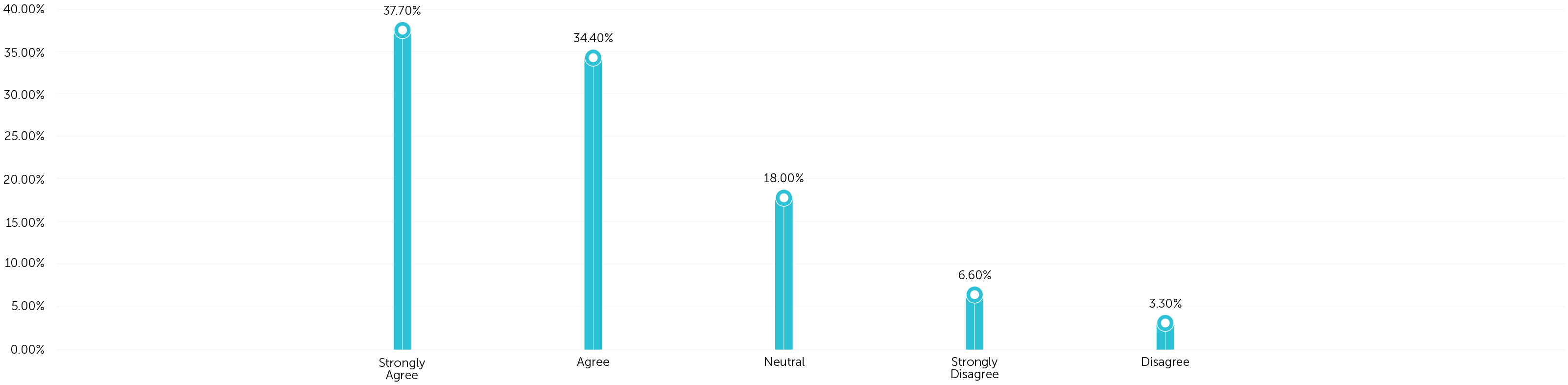
Figure 9: Engage Local Users with Local Culture.
Figure 10 shows the information of the 61 respondents (SME owners) on the strategies for enhancing advertisement engagement. 23 (47.4 per cent) respondents preferred advertising to be aligned with the genre of the broadcast programme. 19 (26.3 per cent) respondents preferred using appropriate time slots and digital strategy to increase interaction with the product, respectively
Strategies for Enhancing Advertising Engagement
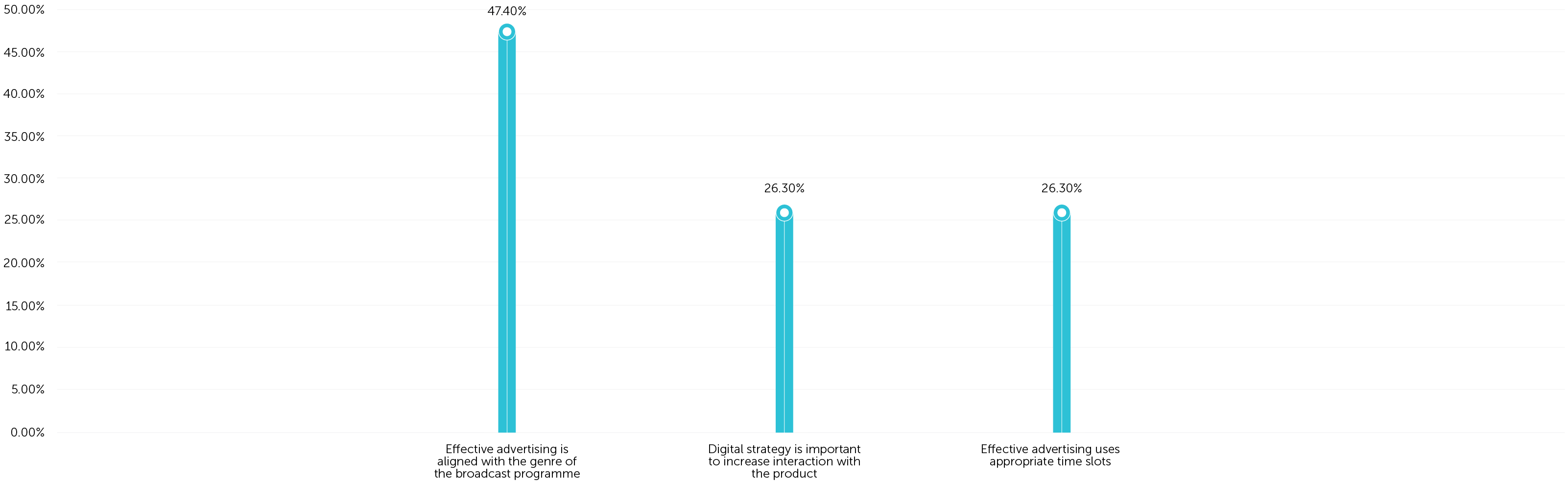
Figure 10: Strategies for Enhancing Advertising Engagement
Figure 11 showed the most preferred television channel of the audience in Southern Region is Berita RTM (formerly known as RTM News) (4.02) and TV3 (3.99) which was measured through mean value.
The Most Preferred Free-To-Air Television Channels
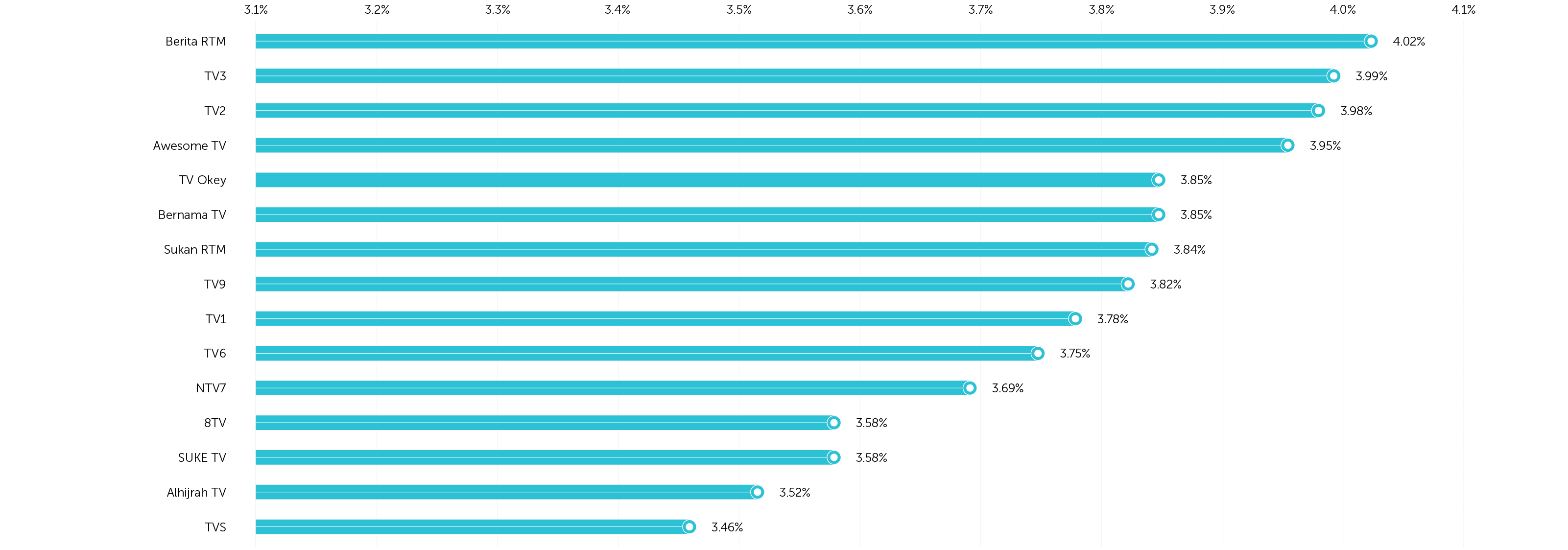
Figure 11: The Most Preferred Free-To-Air Television Channels
Radio is a traditional media that remains popular for the audience in several countries. The audiences in Southern Region prefer in Nasional FM (4.04) and Hot FM (3.70) stations measured by mean value. The 38.4 per cent of audience in Southern Region prefer on Nasional FM station. And 20.4 per cent of audience in Southern Region strongly prefer on Nasional FM station.
Recommendations
Several strategic recommendations can be made to improve service delivery, broaden audience reach, and boost viewer happiness based on the thorough investigation of FTA TV viewers’ usage habits, programming preferences, and demographic insights in Peninsular Malaysia’s Southern Region. First and foremost, the availability of local material must be increased. The creation and selection of local content that reflects the users’ cultural identities and values ought to be FTA TV’s top priority. Increasing the creation of regional dramas, documentaries, and television programmes that speak to the audience’s everyday experiences and cultural heritage is one (1) way to do this. Furthermore, supporting local talent both on- and off-screen would boost the region’s entertainment sector and produce more relatable material. Religious content can be further increased in numbers as it is preferred.
Priority should be given to funding original productions, with a focus on excellent local storytelling that speaks to the audience’s cultural experiences. Viewer happiness and engagement can be greatly increased by commissioning television shows and movies that speak to current issues in the area and represent local interests. In addition to celebrating the distinctive customs of the Southern Region, the addition of slots devoted to cultural displays will educate a wider audience and preserve these important cultural histories.
It is essential to optimise content schedules using careful data analysis. FTA TV is able to make sure that its most captivating material is seen by as many people as possible by scheduling its most popular shows during prime watching hours. In addition to providing a consistent digital experience across all of MYTV's platforms, this strategic scheduling will support the expanding trend of mobile content consumption. The digital strategy should prioritise accessibility, with features like audio descriptions, subtitles, and language alternatives increasing the content's inclusion on FTA TV.
Conclusions
This study delves further into FTA TV consumption in Peninsular Malaysia's Southern Region. Among its significant results are the affordability and accessibility of FTA TV, which are key drivers of its widespread acceptance, with the platform's free offerings being particularly well received by viewers, particularly those in the B40 income bracket. The traditional television set remains the major means of information consumption, however there is a clear shift toward digital platforms, particularly among younger and more tech-savvy viewers.
Content preferences across demographics highlight the need for a diverse content strategy that not only highlights local storylines but also includes a mix of international and diverse genre programming to appeal to a wider audience. The evening and overnight have established as major viewing times, and FTA TV's schedule should take advantage of these peak hours to show their most popular and entertaining material.
The study also identified areas for improvement, including in digital access and customer service. With a major section of the public adopting digital consumption methods, FTA TV must improve its online presence and make its content easily accessible across several platforms.
References
Ahmad, M., Sujak, A. F. A., Razali, R. R. R., & Othman, I. W. (2023).
Free-To-Air Channel: Uses and gratification of users in Sabah. Media Matters, 299.
Australia: A personal view.
Media International Australia, 98(1), 103-111.
Bhatt, S., & Bhatt, S. (2017).
The on-demand economy and how we live: Communication, information, media and entertainment. How Digital Communication Technology Shapes Markets: Redefining Competition, Building Cooperation, 71-104.
Boyland, E. J., & Halford, J. C. (2013).
Television advertising and branding. Effects on eating behaviour and food preferences in children. Appetite, 62, 236-241.
Caliskan, A., Özkan Özen, Y. D., & Ozturkoglu, Y. (2021).
Digital transformation of traditional marketing business model in new industry era. Journal of Enterprise Information Management, 34(4), 1252-1273.
Cavana, R. Y., Delahaye, B. L., & Sekaran, U. (2003).
Research methods for business students.
Chen, Y., & Xie, J. (2008).
Online consumer review: Word-of-mouth as a new element of marketing communication mix. Management science, 54(3), 477-491.
De Bruyn, A., & Lilien, G. L. (2008).
A multi-stage model of word-of-mouth influence through viral marketing. International journal of research in marketing, 25(3), 151-163.
Hartnett, R. (2006).
Small Business, Big Opportunity: Winning the right customers through smart marketing and advertising. Small Biz, Big Opportunity.
Hujanen, T. (2002).
The power of schedule: Programme management in the transformation of Finnish public service television. Tampere university press.
Katz, E., Blumler, J. G., & Gurevitch, M. (1974).
Utilisation of mass communication by the individual. In J. G. Blumler & E. Katz (Eds.), The Uses of Mass Communications: Current Perspectives on Gratifications Research (pp. 19–32). Sage Publications.
Kraidy, M. M. (2009).
Reality television and Arab politics: Contention in public life. Cambridge University Press.
Krejcie, R. V., & Morgan, D. W. (1970).
Determining sample size for research activities. Educational and psychological measurement, 30(3), 607-610.
Lotz, A. D. (2014).
The television will be revolutionised. NYU Press.
Malaysia in View (Executive Summary). (2019).
Retrieved August 22, 2023, from https://avia.org/wp-content/uploads/_pda/2019/11/Malaysia-in-View-2019-Executive-Summary.pdf
Mass Communication & Society, 3(1), 3–37.
McQuail, D. (1984).
Mass Communication Theory: An Introduction. Sage Publications.
Menezes, E., & de Quadros Carvalho, R. (2009).
Impacts of new technologies on Free-To-Air TV industry: lessons from selected country cases. Journal of technology management & innovation, 4(4), 82-94.
Nabi, R. L., Stitt, C. R., Halford, J., & Finnerty, K. L. (2006).
Emotional and cognitive predictors of the enjoyment of reality-based and fictional television programming: An elaboration of the uses and gratifications perspective. Media psychology, 8(4), 421-447.
Napoli, P. M. (2011).
Audience evolution: New technologies and the transformation of media audiences. Columbia University Press.
O'Donohoe, S. (1994).
Explication of a theory of uses and gratifications: A response to Rubin. Human Communication Research, 20(2), 298–324.
Oliver, R. L. (2014).
Satisfaction: A behavioral perspective on the consumer: A behavioral perspective on the consumer. Routledge.
Palmgreen, P., Wenner, L. A., & Rosengren, K. E. (1985).
Media gratifications research: Current perspectives. Beverly Hills, CA: Sage.
Ranftl, J. (2013).
What elements make an effective advertising campaign? a review of common elements among proven effective advertising campaigns (Doctoral dissertation).
Rubin, A. M. (2002).
The uses-and-gratifications perspective of media effects. In J. Bryant & D. Zillmann (Eds.), Media Effects: Advances in Theory and Research (2nd ed., pp. 525–548). Lawrence Erlbaum Associates.
Rubin, A. M., & Step, M. M. (2000).
Perceived gratifications of television viewing. Journal of Broadcasting & Electronic Media, 44(3), 369-385.
Ruggiero, T. E. (2000).
Uses and gratifications theory in the 21st century.
Salkind, N. J. (1997).
Exploring research. Pearson Educación. Thomas, A. (2001). Free-To-Air futures in the United Kingdom and
Simpson, M., Padmore, J., Taylor, N., & Frecknall-Hughes, J. (2006).
Marketing in small and medium sized enterprises. International Journal of Entrepreneurial Behavior & Research, 12(6), 361-387.
Turner, G., & Tay, J. (Eds.). (2009).
Television studies after TV: Understanding television in the post-broadcast era. Routledge.
Vorderer, P., Klimmt, C., & Ritterfeld, U. (2004).
Enjoyment: At the heart of media entertainment. Communication theory, 14(4), 388-408.
Webster, J. G., & Wakshlag, J. J. (1983).
A theory of television programme choice. Communication research, 10(4), 430-446.
Wimmer, R. D., & Dominick, J. R. (2013).
Mass Media Research: An Introduction (10th ed.). Cengage Learning.
Windahl, S., & McQuail, D. (1993).
Communication models for the study of mass communications. In J. Bryant & D. Zillmann (Eds.), Media Effects: Advances in Theory and Research (pp. 31–52). Lawrence Erlbaum Associates.
Malaysian Communications and Multimedia Commission
MCMC HQ Tower 1, Jalan Impact, Cyber 6,
63000 Cyberjaya Selangor Darul Ehsan, Malaysia
T: +603 8688 8000 | F: +603 8688 1000 | W: www.mcmc.gov.my