
TOPIC
05
Addressing the Challenges of 5G and AI Adoption in Developing Economies: A Pathway to Digital Empowerment
LEAD RESEARCHER
Dr. Mohd Azraie Bin Mohd Azmi
UNIVERSITI KUALA LUMPUR
TEAM MEMBERS
Dr. Anis Nur Assila Rozmi
UNIVERSITI KUALA LUMPUR
Ts. Dr. Diyana Kamarudin
UNIVERSITI PERTAHANAN NASIONAL MALAYSIA
Mr. Zulakmar Hazwan Bin Zulkhefli
TECHNOMICS DEVELOPMENT
Ts. Dr. Noor Hidayah Mohd Yunus
UNIVERSITI KUALA LUMPUR
Abstract
The convergence of Fifth Generation (5G) mobile networks and Artificial Intelligence (AI) technologies represents a pivotal driver of Malaysia's digital transformation. This study investigates the symbiotic relationship between 5G and AI and examines the multifaceted challenges associated with their adoption in a developing economy context. Employing a mixed-methods research design, the study integrates qualitative insights from expert interviews and quantitative data from a nationwide survey of 228 respondents. The research explores three core dimensions: (i) the synergistic impact of 5G and AI on the new digital economy, (ii) the barriers inhibiting widespread adoption, including privacy concerns, job displacement, and the digital divide, and (iii) strategic recommendations to foster inclusive and sustainable deployment. Findings highlight that 5G and AI technologies are mutually reinforcing; 5G enables real-time data processing and low-latency communications essential for AI applications, while AI enhances the efficiency, automation, and intelligence of 5G networks. Industrial use cases such as smart manufacturing, autonomous vehicles, predictive logistics, and remote healthcare demonstrate the potential of this synergy to revolutionise key sectors. However, infrastructural limitations, especially in rural and semi-urban areas, alongside public distrust in data governance and algorithmic fairness, present significant hurdles. Qualitative interviews with key stakeholders, including regulators, industry leaders, and technologists, revealed pressing concerns about data privacy breaches, ethical AI implementation, and the readiness of Malaysia's workforce to adapt to automation-induced job shifts. The quantitative analysis supports these findings, indicating moderate awareness but uneven readiness across demographic and geographic groups. Notably, there is a skills mismatch; while digital tools are increasingly deployed, many workers lack access to structured upskilling pathways. The study underscores the urgent need for a holistic national strategy that includes expanding 5G infrastructure, implementing targeted digital literacy campaigns, operationalizing ethical AI frameworks, and prioritizing workforce reskilling. This research contributes empirical evidence to support policy interventions and cross-sectoral collaboration in Malaysia's digital ecosystem. By addressing socio-technical challenges and promoting an inclusive digital agenda, the study positions Malaysia to harness the full economic and societal benefits of 5G and AI. The findings have broader implications for other developing economies seeking to navigate the complex dynamics of emerging technologies and equitable digital development.
Keywords: Information and Communications Technology (ICT); symbiosis between 5G and AI; security; digital economy
Introduction
As of February 2024, Malaysia’s 5G adoption and coverage have made significant strides, with uptake reaching 36 per cent and coverage extending to 80.3 per cent of the population. This rapid expansion of 5G technology is poised to revolutionise various industries by providing faster speeds, increased capacity, and lower latency. These technological advancements are expected to drive transformative use cases across multiple sectors, including education, entertainment, healthcare, manufacturing, transportation, and agriculture, among others. The innovation potential is vast, and the impact on these industries could be profound, leading to enhanced productivity, new business models, and improved quality of life for Malaysians.
One of the most promising aspects of this technological evolution is the interplay between 5G and Artificial Intelligence (AI). AI refers to a branch of computer science that aims to create machines or systems capable of simulating human intelligence to perform tasks such as learning, reasoning, problem-solving, and decision-making. AI encompasses a range of technologies, including machine learning, natural language processing, and computer vision, which enable systems to analyse vast amounts of data, recognise patterns, and make real-time decisions with minimal human intervention. In the context of developing economies, AI plays a crucial role in driving automation, enhancing productivity, and fostering innovation across various sectors, including healthcare, education, agriculture, and manufacturing. The integration of AI with 5G can provide transformative socio-economic benefits. The combination of these two technologies is anticipated to unlock even greater benefits by enabling AI systems to process large datasets in real-time, facilitating faster decision-making and the development of more responsive applications. The symbiotic relationship between 5G and AI is poised to transform industries; 5G supports AI by providing the necessary infrastructure for real-time data processing, while AI enhances 5G by optimising network performance and enabling more innovative applications. From smart manufacturing to sports and entertainment, the possibilities appear limitless, with potential breakthroughs in efficiency, personalisation, and innovation.
However, while the potential of 5G and AI is immense, their rapid adoption also brings forth significant challenges. In sectors like manufacturing and healthcare, the integration of these technologies could lead to job displacement, as automation and AI-driven processes replace traditional roles. This shift could exacerbate social inequalities, potentially leading to increased unrest if not carefully managed. Additionally, the widespread use of AI raises critical ethical concerns, particularly around data privacy and algorithmic bias. Recent advancements in generative AI have intensified these concerns, as businesses and governments struggle to keep pace with the ethical implications of these rapidly evolving technologies.
Cisco's AI Readiness Index highlights these challenges, revealing that many businesses are grappling with issues related to data privacy, security, and the effective use of AI (Figure 1). In this context, Malaysia's digital transformation is at a critical juncture, requiring careful consideration of the associated risks and opportunities. This research aims to explore the specific challenges facing Malaysia as it embraces 5G and AI, with a focus on privacy and security concerns, job displacement, and the digital divide.
How 5G and AI Work Together: Benefits and Risks in 2024
Figure 1: How 5G and AI Work Together: Benefits and Risks in 2024.
As Malaysia rapidly adopts digital technologies, the risk of data breaches and cyberattacks becomes increasingly prevalent (Figure 2). This research will investigate the extent of privacy and security issues arising from the adoption of 5G and AI, examining their impact on individuals, businesses, and the broader economy. The study will also assess the effectiveness of current regulations and protective measures in safeguarding sensitive information, offering insights into potential areas for improvement.
The security risk impact on 5G and AI

Figure 2: The Security Risk Impact on 5G and AI.
The rise of automation, driven by 5G and AI, is transforming the job market, particularly in sectors that have traditionally relied on manual labour. This study will analyse the sectors most vulnerable to digital transformation, evaluating both the current and projected impact on employment. Additionally, the research will determine the effectiveness of retraining and upskilling programmes designed to help displaced workers adapt to the evolving job market, thereby ensuring that the workforce is well-equipped to meet the demands of the digital economy.
Despite the rapid adoption of digital technologies, a significant digital divide persists in Malaysia (Figure 3 shows the digital divide in the United States), leaving specific demographics without access to essential digital resources. This research will investigate the extent of this divide, identifying the groups most affected and the barriers preventing them from fully participating in the digital economy. The study will also assess the effectiveness of government and private sector initiatives aimed at bridging this gap to promote greater digital inclusion nationwide.
The digital divide is real and growing


Figure 3: The Digital Divide is Real and Growing.
Based on the point highlighted, this research aims to deepen the understanding of the complexities within Malaysia’s digital economy. The findings will present strategic recommendations to address these issues, ensuring that the advantages of 5G and AI are harnessed in an inclusive, secure, and sustainable way, ultimately paving the way for a brighter digital future for all Malaysians.
Problem Statement
As of February 2024, Malaysia’s 5G uptake and coverage stood at 36 per cent and 80.3 per cent, respectively. 5G’s availability of faster speeds, increased capacity, and low latency is expected to usher in game-changing use cases across various verticals, including education, entertainment, healthcare, manufacturing, transportation, agriculture, and more. The interplay between 5G and AI is expected to bring about further benefits by enabling AI systems to process large datasets in real-time, facilitating faster decision-making and more responsive applications. It has been proposed that 5G and AI are symbiotic in that “5G supports AI, AI supports 5G. From smart manufacturing to sports and entertainment, the opportunities seem limitless”.
Whilst the interplay between 5G and AI offers revolutionary potential, their rapid adoption presents challenges such as job displacement in sectors like manufacturing and healthcare, increasing inequality, and social unrest. Additionally, AI raises ethical concerns, including data privacy violations and algorithmic biases, which recent advancements in generative AI have further intensified. Cisco’s AI Readiness Index 10 reveals that businesses struggle with data privacy, security, and the effective use of AI. The research will examine these challenges in Malaysia, with a focus on privacy and security concerns, job displacement, and the digital divide
Privacy and Security Concerns
As Malaysia rapidly adopts digital technologies, the risk of data breaches and cyberattacks increases. This research will investigate the extent of these privacy and security issues, their impact on individuals and businesses, and the effectiveness of current regulations and measures in place to protect sensitive information.
Job Displacement
The rise of automation and digital platforms is transforming the job market, potentially displacing workers in traditional sectors. This study will analyse the sectors most affected by digital transformation, assess the current and future impact on employment, and evaluate the adequacy of retraining and upskilling programmes available to the workforce.
Digital Divide
Despite the widespread adoption of digital technologies, a significant gap persists between those who have access to digital resources and those who do not. This research will examine the extent of the digital divide in Malaysia, identifying the demographics most affected, the barriers to digital access, and the effectiveness of government and private sector initiatives aimed at bridging this gap.
Research Objectives
This research aims to address these challenges, provide a comprehensive understanding of the digital economy's challenges in Malaysia, and propose strategic solutions to mitigate these issues, thereby ensuring a more inclusive and secure digital future for Malaysians.
To determine the symbiosis between 5G and AI and determine its impact on the New Digital Economy.
To investigate the associated challenges that affect the take-up of 5G and AI.
To recommend areas of improvement to realize the potential benefits of 5G and AI adoption.
Literature Review
The literature highlights that while 5G and AI offer transformative potential, their adoption presents challenges related to digital inclusion, privacy and security, job displacement, and policy implementation. Addressing these issues requires a multi-stakeholder approach, combining regulatory frameworks, investment in digital literacy, and the development of inclusive infrastructure. This study aims to contribute to this discourse by assessing Malaysia’s readiness for 5G and AI adoption and proposing strategies for a more inclusive digital future
THE EVOLUTION OF 5G AND AI IN THE DIGITAL ECONOMY
5G technology is positioned as a key enabler of the digital economy, offering ultra-fast connectivity, low latency, and enhanced network capacity (ITU, 2023). The adoption of 5G is expected to drive innovations across various sectors, including healthcare, manufacturing, education, and transportation (GSMA, 2023). Similarly, AI plays a transformative role in automating decision-making processes, optimising operations, and enabling real-time data analytics (Deloitte, 2022). The convergence of 5G and AI is anticipated to create a self-optimising digital infrastructure, where AI enhances network efficiency. In comparison, 5G provides the necessary speed and connectivity for AI-driven applications (Ericsson, 2023).
THE IMPACT OF 5G AND AI ON DIGITAL INCLUSION
Digital inclusion refers to equitable access to and usage of digital technologies. While 5G has the potential to bridge the connectivity gap, studies indicate that its adoption is disproportionately higher in urban areas compared to rural regions, exacerbating the digital divide (World Bank, 2023). AI-powered solutions can enhance accessibility through automated services, but challenges such as affordability, nfrastructure limitations, and digital literacy remain significant barriers (UNESCO, 2023). In Malaysia, the government’s JENDELA initiative aims to improve nationwide connectivity, yet rural areas continue to experience disparities in high-speed internet access (MCMC, 2024)
PRIVACY AND SECURITY CONCERNS IN AI-DRIVEN 5G NETWORKS
The integration of AI and 5G raises critical concerns regarding data privacy, cybersecurity, and algorithmic transparency. Studies have highlighted that AI-driven decision-making can introduce biases, raising ethical concerns in sectors such as finance, healthcare, and law enforcement (IEEE, 2023). Furthermore, AI systems require vast amounts of data, which increases the risk of data breaches and unauthorised access (Cisco, 2023). In Malaysia, the Personal Data Protection Act (PDPA) governs data privacy, but the rise of AI-driven applications necessitates stronger regulatory frameworks to address emerging threats (Malaysian Digital Economy Corporation, 2024)
THE RISK OF JOB DISPLACEMENT AND WORKFORCE TRANSFORMATION
Automation and AI adoption have reshaped job markets, particularly in manufacturing, customer service, and logistics. Studies indicate that while AI can enhance productivity, it also poses a threat to traditional jobs, necessitating large-scale reskilling and upskilling efforts (McKinsey, 2023). The Malaysian government has introduced initiatives, such as the MyDigital blueprint, to promote AI and digital literacy; however, gaps remain in workforce readiness for AI-driven transformations (World Economic Forum, 2024).
The Malaysian government has implemented several initiatives to promote AI and digital literacy:
1. MyDIGITAL Initiative:
Launched to transform Malaysia into a digitally driven, high-income nation and a regional leader in the digital economy.
2. AI Untuk Rakyat (AI for the People) Programme:
An online self-learning initiative designed to enhance public understanding and awareness of AI. Launched in January 2024, it aimed to reach one million users by the end of that year. The programme achieved this milestone in less than six months.
3. National AI Office (NAIO):
Established in December 2024 under the Ministry of Digital, the NAIO aims to position Malaysia as a regional leader in AI and a global driver of digital transformation. It focuses on fostering innovation, advancing cross-sector collaboration, and integrating AI into various sectors.
4. National AI Roadmap:
Part of Malaysia's strategy to become Southeast Asia's AI hub by 2030, this roadmap includes investments in AI startups, research hubs, and digital transformation policies, targeting key sectors such as healthcare, education, and agriculture.
Assessing Malaysia's readiness for AI-driven transformations involves examining various indicators that highlight existing skill gaps and forecasting future trends
The Malaysian government has implemented several initiatives to promote AI and digital literacy:
1. AI Exposure in the Workplace:
A 2024 survey revealed that one-third of Malaysian employees have never used AI tools at work, and an additional 10% have only used them once. This limited exposure underscores a significant gap in AI-related skills within the workforce
2. Anticipated Job Changes Due to AI:
The "Decoding Global Talent Report 2024" indicated that 79% of Malaysian professionals expect their roles to evolve because of AI integration, highlighting a widespread recognition of impending changes in job functions.
3. Reskilling Imperative:
Government analyses project that over 30% of jobs in Malaysia will be affected by AI in the next decade. Consequently, more than 600,000 workers will need to undergo reskilling within the next three to five years to remain relevant in the job market.
FORECASTS FOR THE NEXT FIVE YEARS
The Malaysian government, incollaboration with private sector initiatives, is actively addressing these challenges
1. Government Initiatives:
Programmes like the Malaysia Digital Economy Blueprint (MyDIGITAL) and the National AI Roadmap 2021-2025 aim to enhance digital literacy and integrate AI across various sectors. These initiatives are designed to prepare the workforce for a digital-centric economy.
2. Corporate Training Investments:
Despite the recognised need for upskilling, only 22% of Malaysian employers currently plan to provide training on AI-related skills. This indicates a potential area for increased corporate involvement to bridge the skills gap.
3. Economic Impact of Bridging the Skills Gap:
Estimates suggest that narrowing the digital skills gap through targeted training and education could add approximately RM88 billion (USD 19 billion) to Malaysia's annual GDP by 2030.
POLICIES AND STRATEGIES FOR SUSTAINABLE 5G AND AI ADOPTION
Governments and organisations worldwide are implementing policies to ensure the adoption of inclusive and ethical AI and 5 G. The European Union's AI Act and AI ethics guidelines from organisations like UNESCO provide frameworks for responsible AI development (EU Commission, 2023). In Malaysia, national policies, such as the National AI Roadmap and the MyDIGITAL initiative, aim to drive AI and 5G adoption while addressing challenges related to data governance, workforce development, and infrastructure investment (MDEC, 2024). However, studies suggest that further alignment between industry, government, and academia is necessary to ensure equitable digital transformation (World Bank, 2024). In September 2024, Malaysia's Ministry of Science, Technology, and Innovation (MOSTI) released the National Guidelines on AI Governance & Ethics, aiming to provide a framework for the responsible development and deployment of AI technologies within the country. Within the ASEAN region, efforts to establish AI governance frameworks have been collaborative. In 2024, ASEAN introduced the ASEAN Guide on AI Governance and Ethics, providing a practical framework for organisations to design, develop, and deploy AI technologies responsibly. This guide emphasises alignment and interoperability of AI frameworks across member states.
Compared to Malaysia's national guidelines, those of other countries are more prescriptive, providing specific directives tailored to their unique socio-economic contexts. In contrast, the ASEAN guide adopts a broader, non-binding approach, encouraging member states to consider cultural differences and local contexts in AI governance. This divergence reflects a broader trend within ASEAN, where member countries balance the need for innovation with ethical considerations, often opting for flexible frameworks that can adapt to rapid technological advancements. While Malaysia has taken proactive steps with its national guidelines, other ASEAN countries may still be in the process of developing or refining their AI governance frameworks, leading to varying levels of maturity and specificity across the region. In summary, Malaysia's recent publication of its National Guidelines on AI Governance & Ethics underscores its commitment to responsible AI development. When compared to regional efforts, Malaysia's approach is notably more structured, reflecting its proactive stance in navigating the complexities of AI governance within the ASEAN context.
AI Integration and Regulatory Developments
In tandem with the advancements in 5G, Malaysia is focusing on integrating AI across various sectors. The government announced plans to establish a national AI office and introduce regulations that promote the ethical use of AI. This includes a five-year technology action plan to coordinate AI initiatives and ensure the responsible development and deployment of AI.
Challenges in Digital Inclusion and Workforce Readiness
Despite progress, challenges persist in ensuring equitable digital inclusion. Efforts are underway to expand 5G coverage to rural areas, with a target to cover 85% of these regions by the end of 2024. However, disparities in infrastructure and digital literacy remain concerns. Additionally, workforce readiness for AI adoption is a critical issue, necessitating large-scale reskilling and upskilling initiatives to prepare for the evolving job landscape.
Methodology
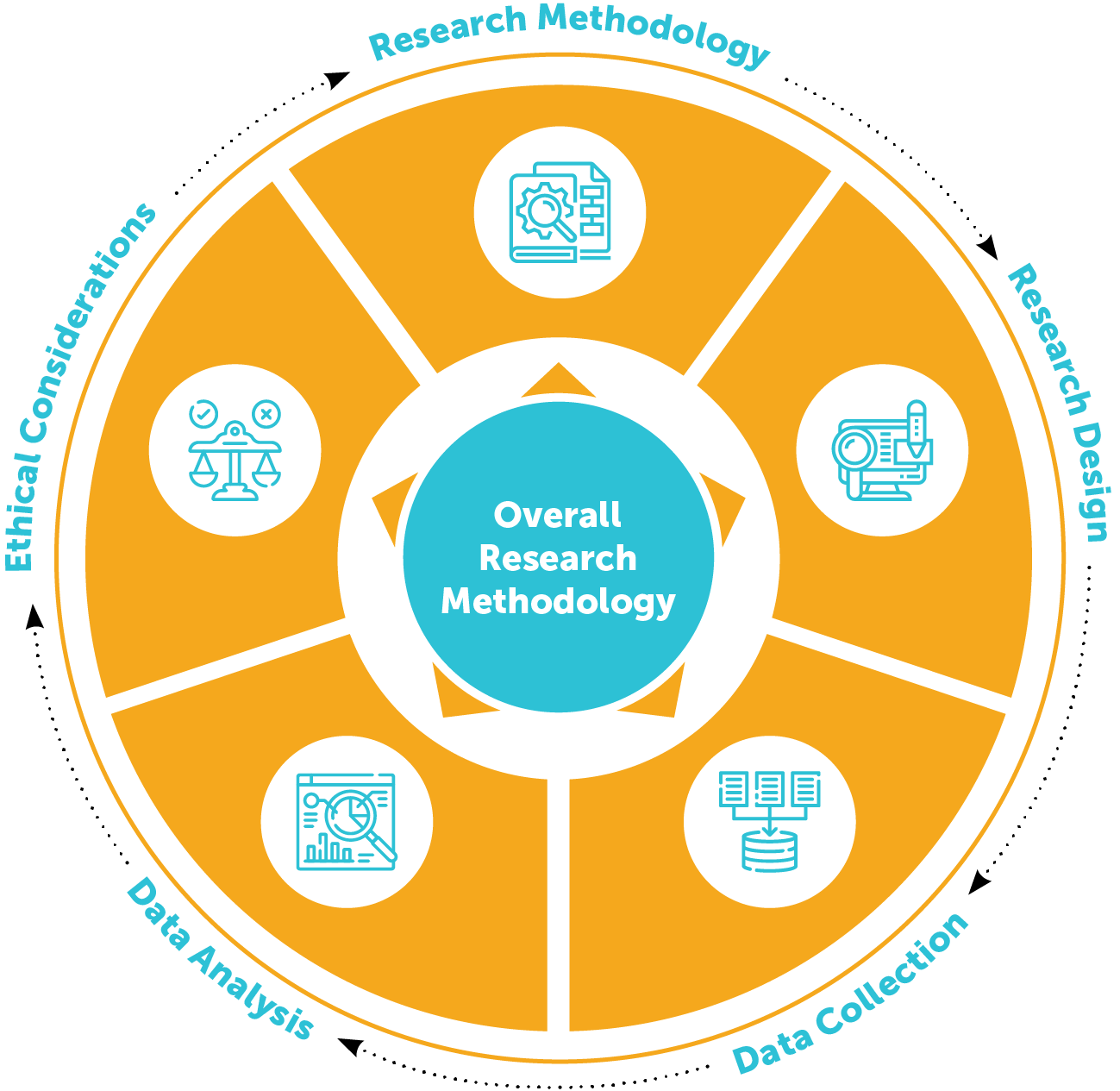
Figure 4: Overall Research Methodology.
| Research Objectives | Research Question | Data Collection Methods | Sample Source |
|---|---|---|---|
|
RO1 To determine the symbiosis between 5G and AI and assess its impact on the New Digital Economy. |
How do 5G and AI complement each other in driving digital transformation? | 1. Secondary Data |
|
| What are the key sectors of the economy most likely to benefit from the integration of 5G and AI? |
1. Secondary Data 2. Interviews and Focus Groups |
|
|
| What are the measurable impacts of 5G and AI on productivity, innovation, and economic growth? |
1. Secondary Data 2. Interviews and Focus Groups |
|
|
|
RO2 To investigate the associated challenges affecting the adoption of 5G and AI, addressing the following areas:
|
What are the actual and potential privacy and security concerns associated with the widespread adoption of 5G and AI? |
1. Interviews and Focus Groups 2. Surveys |
|
| How does the adoption of 5G and AI impact employment, and what are the implications for job displacement? (including potential and existing) | 1. Surveys |
|
|
| What are the main factors contributing to the digital divide in the context of 5G and AI adoption? | 1. Surveys |
|
|
|
RO3 To recommend areas of improvement to realize the potential benefits of 5G and AI adoption. |
What policy measures can be implemented to mitigate the challenges associated with 5G and AI adoption? |
1. Interviews and Focus Groups 2. Secondary data 3. Survey data analysis |
|
| How can stakeholders (governments, industries, and academia) collaborate to facilitate the adoption and deployment of 5G and AI? |
1. Interviews and Focus Groups 2. Secondary data 3. Survey data analysis |
|
|
| What strategies can be employed to ensure inclusive and equitable access to the benefits of 5G and AI? | 1. Survey data analysis |
|
Table 1: Research Methodology Specification Towards the Research Objectives
Research Design
This study will adopt a mixed-methods approach, combining quantitative and qualitative research methods. The quantitative aspect will involve analysing secondary data from industry reports, market analyses, and government publications to assess the current state of 5G and AI adoption. The qualitative aspect will involve interviews and focus groups with key stakeholders, including industry leaders, policymakers, and academics, to gain insights into the challenges and opportunities associated with these technologies.
Data Collection
Three major data collection methods identified will potentially provide insights to answer the research questions:
i. Secondary Data Analysis:
Data will be collected from existing sources, including industry reports, market research studies, and government publications. This data will provide a baseline understanding of the current landscape of 5G and AI adoption.
ii. Interviews and Focus Groups:
Semi-structured interviews and focus groups will be conducted with stakeholders from various sectors. These sessions will explore their perspectives on the challenges and potential of 5G and AI, focusing on the themes identified in the research objectives. Expected interviewees will include:
- a. Industry Players: Key figures from telecommunications companies (telcos), technology vendors, and innovators in the AI space.
- b. Government and MCMC: Representatives from MCMC and government departments responsible for digital infrastructure and policy.
- c. Academia: Experts in telecommunications, AI, and digital economics.
- d. Consumer Advocacy Groups: Representatives from organisations concerned with privacy, security, and the digital divide.
iii. Surveys:
A survey will be distributed to a broader audience, including businesses and consumers, to gather data on their experiences with and perceptions of 5G and AI technologies.
Data Analysis
The data analysis was conducted in two phases:
i. Quantitative Analysis:
Statistical techniques was used to analyse the survey data and secondary data. This analysis will help identify trends, correlations, and patterns in the adoption of 5G and AI.
ii. Qualitative Analysis:
Thematic analysis was employed to analyse the qualitative data from interviews and focus groups. This approach will help identify key themes and insights related to the challenges and opportunities of 5G and AI adoption.
Ethical Considerations
The study adhered to ethical research practices, ensuring the confidentiality and anonymity of participants. Informed consent will be obtained from all participants, and the data will be stored securely to protect their privacy. The research will also comply with relevant legal and regulatory requirements related to data protection and privacy.
Format of Questionnaire(s) and Interview(s):
i. Introduction:
Research instruments, such as questionnaires and interviews, were tools used to collect data from respondents. They must be carefully designed to ensure they effectively gather the information needed to address the research questions.
ii. The questions presented in the context of the chosen topic:
Every question in a questionnaire or interview should be directly linked to the research objectives. For example, in a study on digital inclusion in 5G and AI, questions might explore the extent of access to these technologies, the level of understanding, and the barriers faced by different demographic groups.
iii. Closed-Ended Questions:
Example: Do you use AI-powered applications? (Yes/No). These questions are useful for gathering quantitative data that can be easily analysed. They provide clear, unambiguous responses but may not capture the depth of the respondent's experience.
iv. Open-Ended Question:
Example: "What are the main barriers you face when trying to access 5G services?". This type of question that allows respondents to answer in their own words, providing richer, more detailed data.
v. Likert Scale:
Example: "On a scale of 1 to 5, how satisfied are you with your current internet speed?". A psychometric scale commonly used in questionnaires to measure attitudes or feelings across a range of values. Will be used in this context or "User".
vi. Phrasing:
Example: The way a question is worded to ensure clarity and neutrality, such as "How would you rate your experience with AI?" rather than "Is AI too complex?" The specific wording used in formulating questions in a research instrument.
vii. Leading Question:
Example: "Don't you think AI is too difficult to use?" which might lead respondents to agree. This question suggests or influences a particular answer from the respondent.
Findings and Analysis
The Thematic Map Overview
Theme 1: Symbiosis of 5G & AI
1. Relationship – Innovation & Production
2. Integration – Decision Making
3. Combination – New Business Model
Theme 2: Challenges of 5G & AI
1. Privacy & Security Concerns
2. Job Displacement
3. Factors for Low Take-Up
Figure 5: The Thematic Map Overview.
Theme 1: Symbiosis of 5G & AI
Relationship - Innovation & Production
Respondents described the synergy between 5G and AI as a game changer. AI was credited for automating repetitive tasks, thereby increasing productivity. Respondents highlighted real-time capabilities, such as in Electric Vehicles (EVs) and smart manufacturing, where 5G's low latency and high-speed data transfer enable efficiency and enhanced functionality.
Integration - Decision Making
The combination of AI analytics and 5G connectivity facilitates fast, data-driven decision-making in real time. Applications include AI-assisted diagnostics in healthcare and rapid adjustments in network management. Respondents stressed the importance of 5G as a vessel that enhances AI's decision-making speed and accuracy.
Combination - New Business Model
The integration has led to the development of new verticals such as autonomous driving, remote healthcare, and smart manufacturing. Respondents noted the rising demand for roles such as software engineers and app developers. Middleware solutions and cross-platform data services also emerged as critical components of the new digital economy.
Theme 2: Challenges of 5G & AI
Privacy & Security Concerns
Respondents expressed significant concern over data loss, breaches, and identity theft. AI's ability to create detailed user profiles from 5G-enabled data raised alarms. The lack of global and local data protection standards exacerbates the risk, with calls for stricter governance, transparency, and enforcement.
Job Displacement
Automation through AI and 5G has already begun displacing low-skilled labour in manufacturing and services. While some respondents acknowledged the creation of new roles (e.g., robot technicians), they emphasised the need for comprehensive training and reskilling programmes to support affected workers.
Factors for Low Take-Up
Digital divides, lack of infrastructure, and high technology costs were cited as key barriers, especially in underserved areas. Respondents also mentioned limited public awareness and expertise as contributing factors. Disparities in access remain a major hurdle to inclusive adoption.
QUALITATIVE APPROACH
We conducted interview sessions using a qualitative approach, engaging experts from MCMC, Malaysia Airport Kargo Holding Berhad, Universiti Pertahanan Nasional Malaysia (UPNM), Universiti Malaya (UM), Siemens Malaysia Sdn. Bhd., Ericsson Malaysia Sdn. Bhd., Ofisgate Sdn. Bhd. and Telekom Malaysia Berhad. These interviews provided valuable insights into the challenges and opportunities surrounding 5G and AI adoption, including regulatory considerations, industry applications, infrastructure readiness, and workforce development. The discussions also explored key concerns such as data privacy, security, digital inclusion, and the impact of automation on employment, contributing to a comprehensive understanding of the current landscape in Malaysia.
Table 2 shows the consolidated analysis of qualitative responses from nine (9) respondents, identified themes, sub-themes, and codes (common topics) to reflect the key insights regarding the symbiosis of 5G and Artificial Intelligence (AI), associated challenges, and strategic recommendations.
| Research Objectives | Research Question | Data Collection Methods |
|---|---|---|
| Symbiosis 5G & AI | Relationship - Innovation & Production | Productivity, Efficiency, Routine task automation |
| Symbiosis 5G & AI | Integration - Decision Making | High-speed, Low latency, Real-time decision-making |
| Symbiosis 5G & AI | Combination - New Business Model | Future jobs, Industry transformation, Smart systems |
| Challenges of 5G & AI | Privacy & Security Concern | Data breach, Identity theft, Consent, Social media misuse |
| Challenges of 5G & AI | Job Displacement | Automation, Job loss, Upskilling/reskilling |
| Challenges of 5G & AI | Factors for the Low Take-up | Digital divide, Awareness, Infrastructure, Cost |
| Recommendations | Regulatory | Life-skills, Data protection enforcement, GDPR, PDPA |
| Recommendations | Policy | Awareness via social media, Campaigns, Community outreach |
| Recommendations | Strategy | Training, Grants, Upskilling, Certifications |
| Recommendations | Government Initiatives | Policy enforcement, JENDELA, Telco regulation, public funding |
Table 2: Consolidated Analysis of Qualitative Responses.
QUANTITATIVE APPROACH
The study collected data from 228 respondents, with a wide range of variables related to 5G and AI adoption in Malaysia. Here's a breakdown of the data:
Demographics: Includes age, gender, employment sector, and location.
5G Access: Information on whether respondents have access to 5G in their area.
Symbiosis & Impact on Digital Economy: Responses on awareness and understanding of 5G and AI technologies, including their potential impacts.
Barriers and Recommendations: Data about perceived barriers to 5G and AI adoption, as well as suggestions for accelerating adoption.
Gender Distribution of Respondents
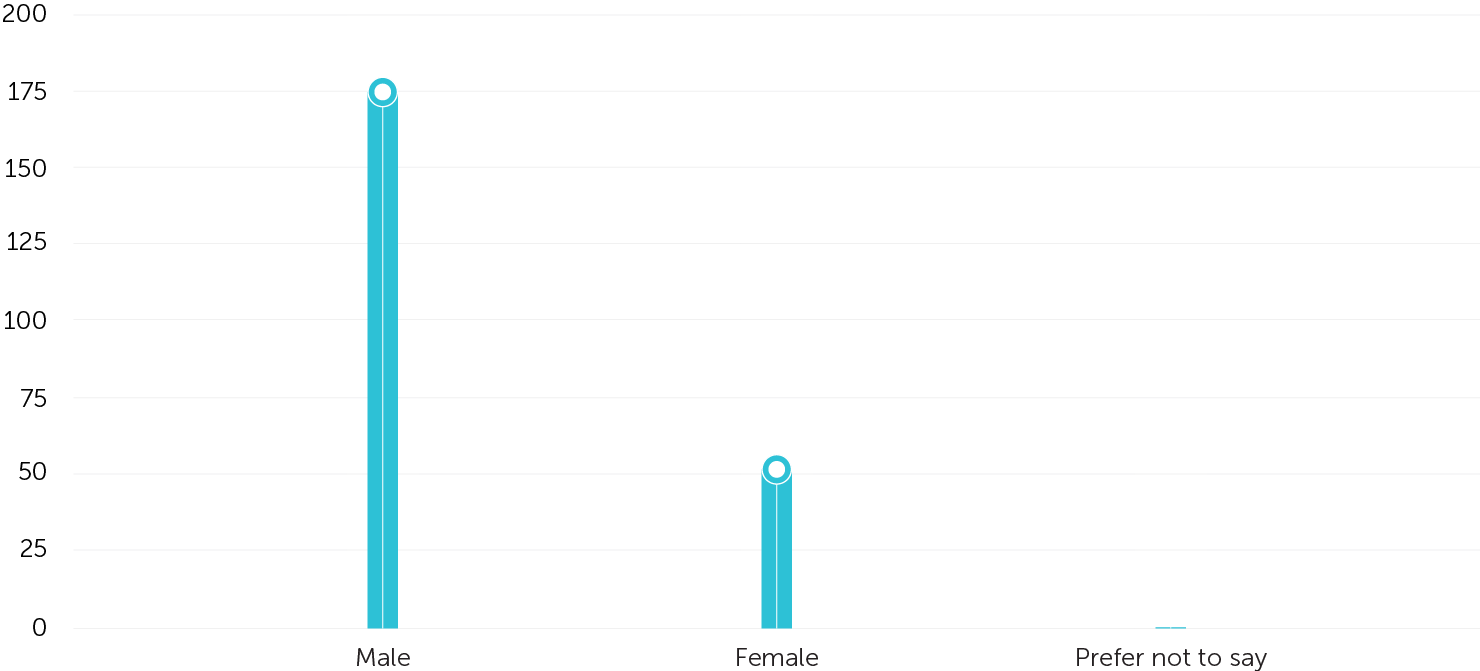
Figure 6: The gender distribution appears to be fairly balanced with a slight representation of females over males. The supports a diverse sample across both genders.
Location Distribution of Respondents
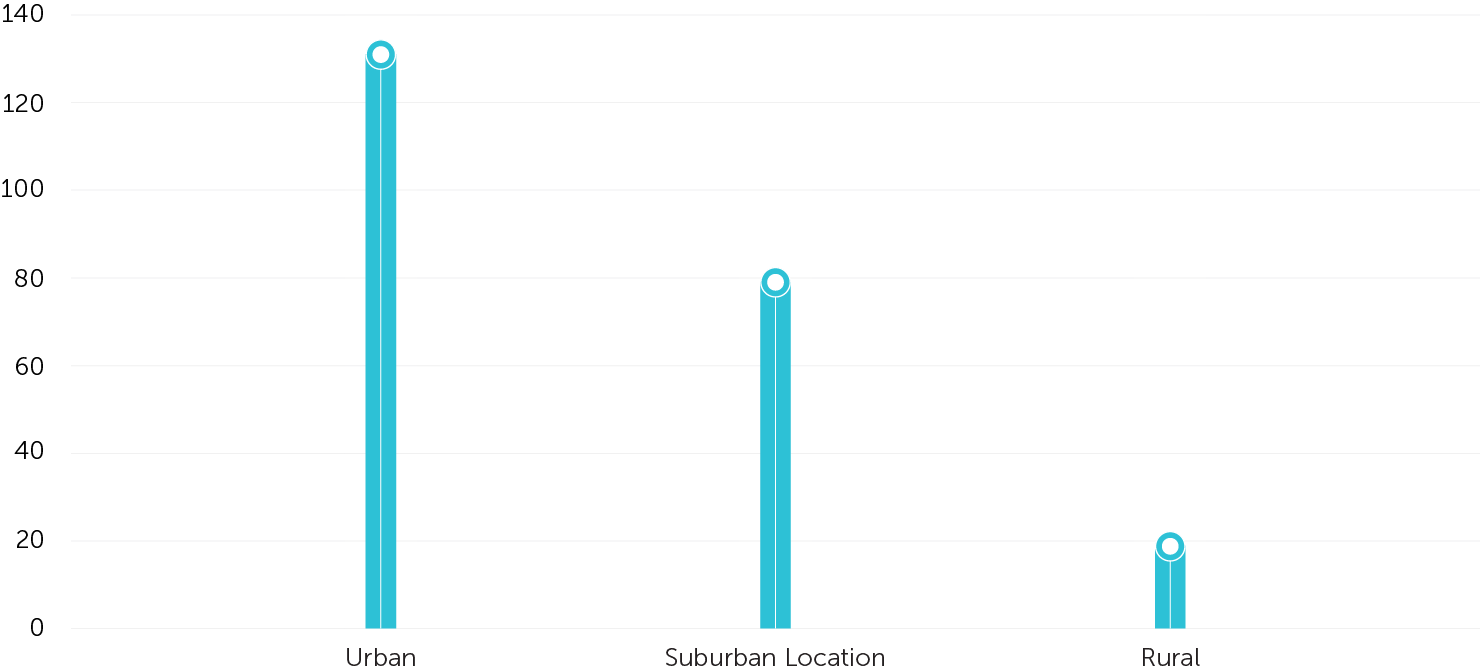
Figure 7: Most respondents and their current areas (Borneo group Perak included data). The indicates that urban areas dominate the sample, while suburban and peripheral areas are also well-represented.
Age Distribution of Respondents
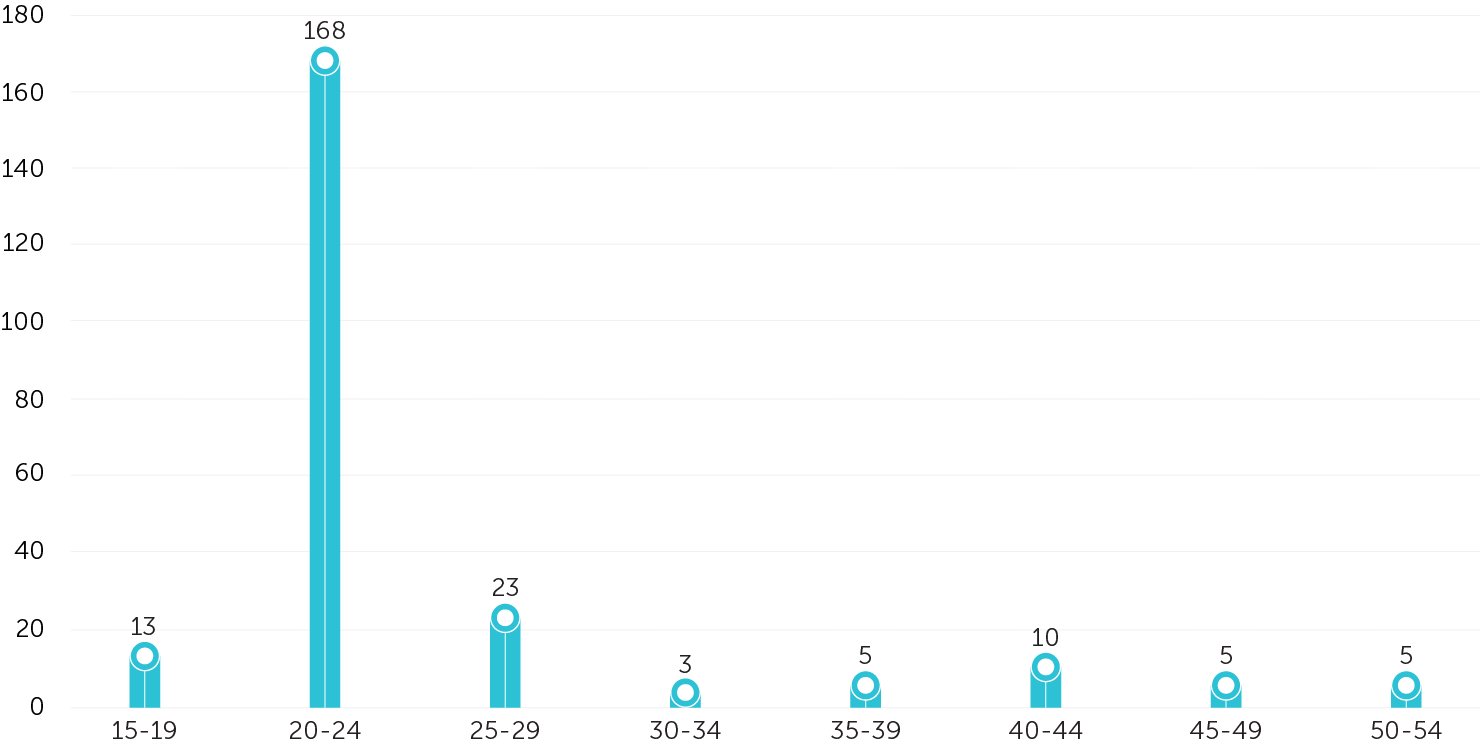
Figure 8: The age distribution shows responses are concentrated among younger individuals (ages under 55), with a smaller number of older individuals.
5G Access Distribution
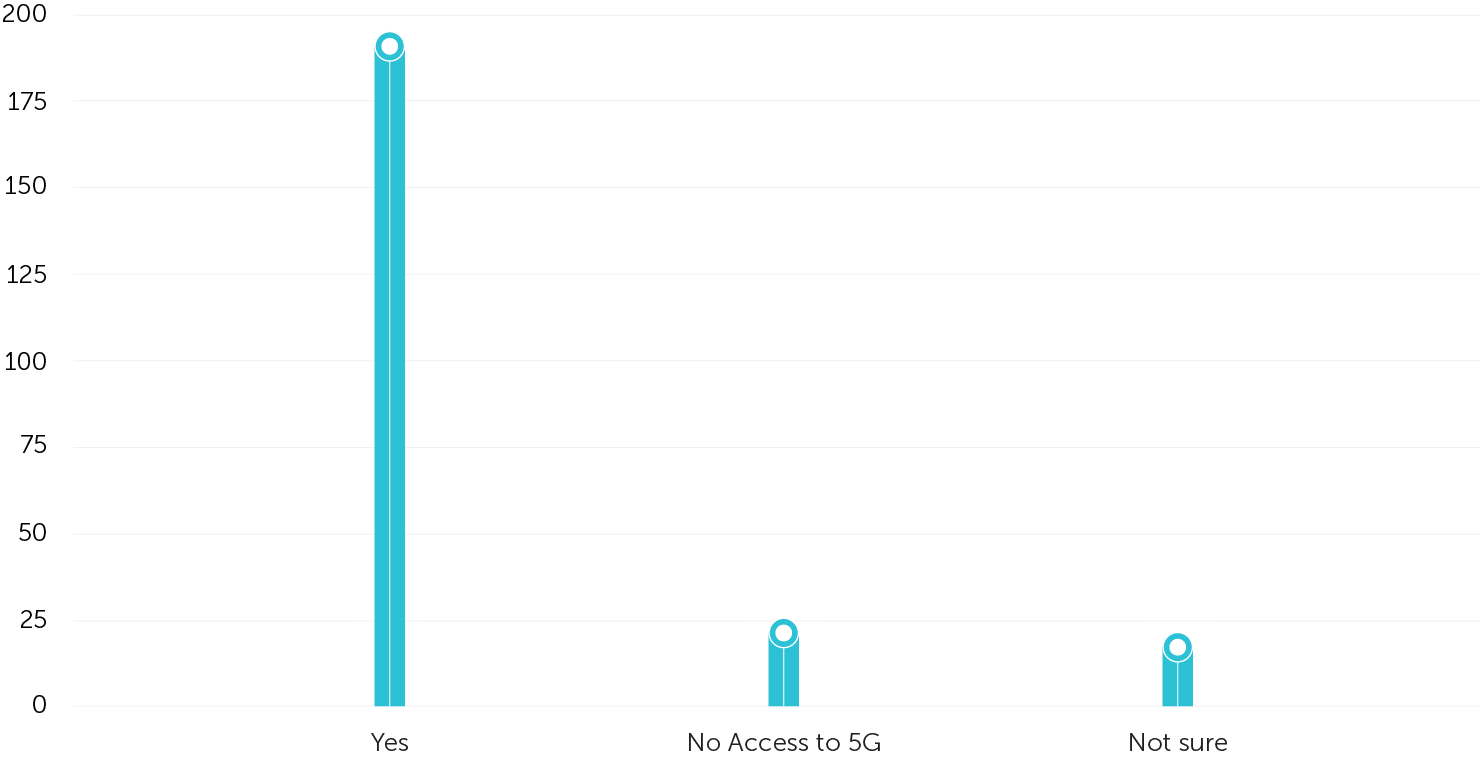
Figure 9: The distribution shows limited 5G access among respondents, reflecting current infrastructure limitations and the gradual rollout of 5G in Malaysia.
A comprehensive qualitative data analysis was conducted, incorporating responses from a total of nine participants. The collected interview transcripts were systematically coded and thematically analysed, resulting in the identification of key themes such as the symbiotic relationship between 5G and AI, challenges in adoption, and strategic recommendations. A thematic map was developed to visually illustrate the interconnection between major themes and sub-themes. A master thematic table consolidating narratives across all respondents (R1–R9) was also produced to support in-depth interpretation and comparison of insights.
In addition to the analytical outputs, a structured report was prepared, including a project progress summary, detailed thematic findings, and supporting documentation. The report integrates thematic analysis outcomes with direct narratives from respondents, highlighting real-world perspectives on innovation, job displacement, privacy concerns, policy needs, and digital divide issues. These deliverables provide a foundational basis for drafting final recommendations and informing policy or strategic frameworks aimed at improving the adoption and impact of 5G and AI technologies.
Recommendations
The adoption of 5G and Artificial Intelligence (AI) in Malaysia presents transformative opportunities but also reveals critical gaps in infrastructure, skills, governance, and public trust. Based on both qualitative and quantitative findings, this study proposes six key strategic directions to enable an inclusive and sustainable deployment of these technologies.
First, infrastructure development must be prioritised to bridge the digital divide between urban and rural populations. Expanding 5G coverage through public-private partnerships, strategically placing edge data centres, and aligning efforts with national programmes such as MyDIGITAL are essential. Support for private network use cases in sectors like healthcare, logistics, and agriculture is also encouraged to accelerate adoption.
Second, public awareness and digital literacy must be enhanced to counter misinformation and build societal readiness. Targeted digital campaigns, educational content via popular media platforms, and AI/5G curriculum integration at school levels are recommended to cultivate informed and digitally fluent communities.
Third, workforce preparedness must be addressed through comprehensive upskilling and reskilling initiatives. Sector-focused training in vulnerable industries, subsidised certification programmes, and strengthened AI talent pipelines through academia-industry collaboration will ensure Malaysia's human capital remains resilient amid technological change.
Fourth, robust data governance and ethical AI implementation are necessary to foster public confidence. This includes operationalising Malaysia's National AI Ethics Guidelines, updating the Personal Data Protection Act (PDPA) to reflect AI-related risks, and establishing a multi-stakeholder oversight body to enforce transparency, accountability, and inclusiveness in digital governance.
Fifth, inclusive policymaking must be supported through stakeholder collaboration and bottom-up engagement. Establishing cross-sectoral councils, offering innovation incentives, and ensuring the participation of marginalised groups in policy design will ensure that technology deployment reflects societal needs and values.
Finally, adaptive and evidence-based policy development is critical. Longitudinal research and real-time monitoring tools should be employed to track adoption patterns, workforce shifts, and emerging challenges. Policymakers must maintain flexibility to recalibrate strategies in response to evolving digital and socioeconomic landscapes. Collectively, these recommendations form a holistic framework to guide Malaysia's digital transformation. By reinforcing infrastructure, building human capital, strengthening ethical safeguards, and promoting inclusive governance, Malaysia can position itself as a regional leader in equitable and responsible 5G and AI adoption.
Conclusion
The findings of this study underline the immense potential of 5G and Artificial Intelligence (AI) to transform Malaysia's digital economy. The integration of these technologies promises to enhance productivity, drive innovation, and create new business models, positioning Malaysia as a key player in the global digital landscape. However, the adoption of 5G and AI is not without its challenges. While there is strong awareness and positive perception toward these technologies, the gap between understanding their potential and being fully prepared to adopt them remains significant. Key barriers such as inadequate infrastructure, digital illiteracy, and the digital divide—especially in rural areas—pose substantial hurdles that must be addressed for successful implementation.
To maximise the benefits of 5G and AI, a multi-pronged approach is necessary. Expanding infrastructure and coverage, particularly in underserved and rural areas, is critical for bridging the digital divide and ensuring that all Malaysians can participate in the digital economy. This should be complemented with targeted public awareness and education campaigns, focusing on informing the public about both the benefits and potential risks associated with these technologies. Such initiatives will be particularly valuable for rural populations and marginalised communities, ensuring no one is left behind in the digital transformation.
In addition, the rapid pace of technological advancement demands that Malaysia invests in upskilling and reskilling programmes. These programmes are essential to prepare the workforce for the changes brought by automation and AI, particularly in industries that are most vulnerable to job displacement. Empowering workers with the necessary digital skills will not only mitigate the risk of unemployment but will also enable them to thrive in the evolving job market.
Furthermore, to build public trust and foster widespread adoption, stronger data protection regulations must be put in place. Establishing comprehensive legal frameworks for data privacy and security will alleviate concerns about data breaches and misuse, which are critical issues for both individuals and businesses interacting with AI and 5G technologies.
Finally, collaboration between government, industry, and academia is essential to ensure that the adoption of 5G and AI is done responsibly and inclusively. By aligning efforts and creating clear policy frameworks, all stakeholders can contribute to a holistic digital transformation strategy that ensures equitable access and addresses the social and infrastructural challenges identified in this study.
In conclusion, while the symbiosis between 5G and AI offers transformative opportunities, realizing their full potential requires a concerted effort from all sectors of society. The gap between technological awareness and readiness for adoption must be bridged through strategic investments in infrastructure, education, regulation, and collaboration. Only by addressing these multifaceted challenges can Malaysia fully harness the benefits of 5G and AI, ensuring a more inclusive and sustainable digital future for all its citizens.
References
Accenture. (2021).
The impact of 5G on the global economy. Accenture Research. Retrieved from https://www.accenture.com/research-5g-global-economy
Ahmed, R., & Kumar, S. (2023).
Bridging the digital divide: Strategies for inclusive growth in the 5G era. Journal of Digital Innovation, 15(2), 135-149.
Brown, T., & Green, P. (2023).
Reskilling for the future: The impact of AI and 5G on the workforce. Technology & Society, 28(4), 451-469.
Deloitte. (2022).
The symbiosis of 5G and AI: Driving the digital economy forward. Deloitte Insights. Retrieved from https://www2.deloitte.com/5g-ai-symbiosis
Gartner. (2021).
Top challenges facing 5G adoption. Gartner Research. Retrieved from https://www.gartner.com/en/research/5g-adoption-challenges
IEEE. (2021).
Ethical considerations in AI and 5G deployment. IEEE Standards Association. Retrieved from https://standards.ieee.org/ai-5g-ethics
Johnson, M., Li, H., & Chen, Y. (2022).
The symbiosis of 5G and AI: Transforming industries and economies. International Journal of Digital Economy, 10(3), 210-224.
McKinsey & Company. (2021).
5G in the global economy: How 5G technology will contribute to GDP growth. McKinsey Global Institute. Retrieved from https://www.mckinsey.com/global-economy/5g-impact
OECD. (2020).
The future of work: Implications of AI and 5G for employment. Organisation for Economic Co-operation and Development. Retrieved from https://www.oecd.org/future-of-work/ai-5g
Patel, V., & Shah, R. (2022).
Privacy and security in the 5G-AI ecosystem: Challenges and solutions. Journal of Cybersecurity, 9(1), 35-50.
PwC. (2020).
AI in the digital economy: Opportunities and risks. PwC Global. Retrieved from https://www.pwc.com/ai-digital-economy
Silva, M., & Zhou, J. (2021).
Digital transformation and job displacement: Preparing the workforce for the AI age. Journal of Future Work, 7(2), 67-80.
World Economic Forum. (2021).
Harnessing 5G and AI for smart cities. World Economic Forum. Retrieved from https://www.weforum.org/smart-cities-5g-ai
Cisco. (2023).
AI readiness index report 2023. Cisco Systems.
Ericsson. (2023).
5G and AI: The future of intelligent connectivity. Ericsson Insights.
Gupta, A., & Jha, R. K. (2015).
A survey of 5G network: Architecture and emerging technologies. IEEE Access, 3, 1206–1232. https://doi.org/10.1109/ACCESS.2015.2461602
European Commission. (2018).
General Data Protection Regulation (GDPR). Official Journal of the European Union.
Malaysia Personal Data Protection Act (PDPA). (2010).
Act 709: Personal Data Protection Act.
Wang, F., & Casalino, G. (2020).
Privacy and security challenges in 5G-enabled AI systems. IEEE Internet of Things Journal, 7(3), 1756–1772.
Brynjolfsson, E., & McAfee, A. (2014).
The second machine age: Work, progress, and prosperity in a time of brilliant technologies. W. W. Norton & Company.
World Economic Forum. (2023).
The future of jobs report 2023. World Economic Forum.
International Telecommunication Union (ITU). (2022).
Measuring digital development: Facts and figures 2022. ITU
Malaysian Communications and Multimedia Commission (MCMC). (2023).
Malaysia's 5G rollout and adoption report. MCMC.
CyberSecurity Malaysia. (2023).
Cyber security strategy 2023–2027. Malaysia National Cyber Security Agency.
Organisation for Economic Co-operation and Development (OECD). (2022).
AI principles and policy framework for digital governance. OECD Publishing.
Malaysia Digital Economy Corporation (MDEC). (2023).
National AI and digital economy strategy 2023–2025. MDEC.
Shopee. (2023).
Digital marketing and e-commerce training for SMEs and individuals. Shopee.
Petronas. (2023).
AI and automation in the oil & gas industry. Petronas Annual Report.
Siemens. (2023).
Smart manufacturing and 5G integration for Industry 4.0. Siemens Whitepaper.